The Pet Food Paradox: Why Simplicity Matters More Than Ever
The Pet Food Paradox: Why Simplicity Matters More Than Ever
The Pet Food Paradox: Why Simplicity Matters More Than Ever
Summary
The pet food industry creates an overwhelming choice paradox for consumers. Most brands produce one or two formulations and claim they work for all dogs, forcing pet owners to navigate confusing marketing claims and feature lists without clear guidance on actual benefits. This creates decision fatigue and prevents owners from finding the truly tailored nutrition their dogs need. The solution lies in transparent, condition-specific formulations designed to solve one problem at a time, with clear communication that helps owners make informed decisions in just minutes rather than hours of research.
The Problem: False Universality in Pet Food
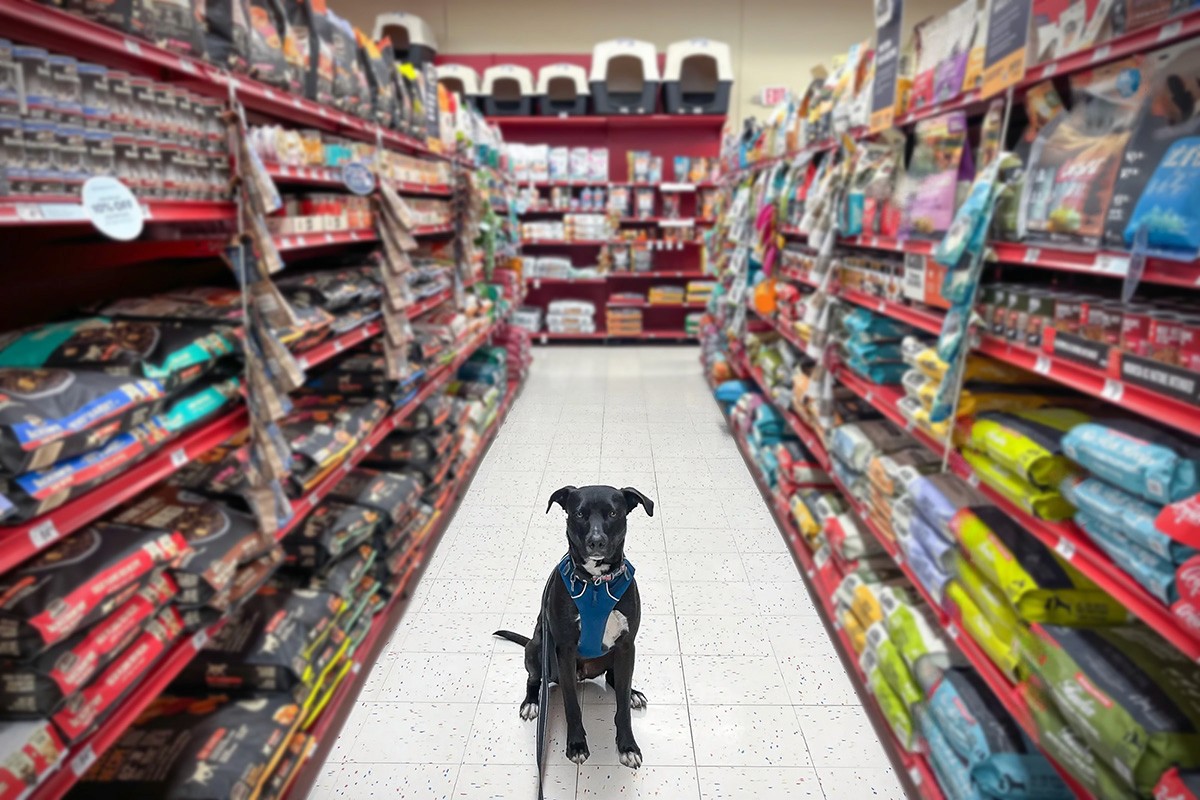
Walk into any pet food aisle or scroll through online retailers, and you face an immediate dilemma: dozens of options that all claim to be "complete and balanced" yet look entirely different. The chicken formula, the pork option, the lamb variety at triple the price—which one actually suits your dog?
The answer reveals a fundamental truth about the industry: most dog food brands deliberately avoid specialization[1]. Rather than creating distinct products for distinct needs, they manufacture one or two base formulations and market them as universal solutions.
This strategy creates what consumer behavior research calls "decision fatigue." A 2021 peer-reviewed study on pet food purchase behavior found that consumer confusion directly results from the marketplace being "cluttered with redundant options differentiated more by packaging design and buzzwords than by meaningful nutritional distinctions"[2]. Pet owners experience a high cognitive load when evaluating marginally different formulations, often resulting in purchases based on marketing claims rather than substantive nutritional differences[3].
Why the One-Size-Fits-All Approach Fails
Dogs are not one-size-fits-all creatures, yet their nutrition is often treated as if they are.
Breed and Size-Specific Needs Are Real
Large breed puppies, such as Great Danes, require fundamentally different nutritional ratios than small breed puppies. Large breed puppies have specific calcium requirements for optimal bone development, but are simultaneously more sensitive to calcium toxicity in relation to osteochondrosis development—creating a narrower "safe zone" for optimal nutrition compared to smaller breeds[4]. This difference is not marketing fiction; it is well-established veterinary science supported by multiple decades of research.
Long-coated breeds have measurably higher requirements for linoleic acid (omega-6) and alpha-linolenic acid (omega-3) to maintain coat quality compared to short-coated breeds, due to varying levels of ceramide production in their skin[5]. Adult dogs require a minimum of 18% protein as dry matter, while growing puppies require 22.5% protein minimum—yet pregnant and nursing dogs require different ratios again[6].
Individual Health Conditions Demand Individual Solutions
Dogs with joint issues need higher levels of omega-3 fatty acids and glucosamine. Dogs with kidney disease need lower phosphorus intake. Dogs prone to obesity require reduced-calorie formulations balanced with appropriate nutrient density[7]. These are not optional considerations—they are critical components of medical nutrition therapy.
Research confirms that when diet is specifically tailored to an individual dog's condition—whether managing chronic pancreatitis, inflammatory bowel disease, or food intolerances—outcomes improve dramatically compared to generic feeding approaches[8].
The Communication Barrier
Even when a pet food contains excellent nutrition, package design typically presents a wall of features without explanation of which features matter for your dog.
The label might list "chicken, brown rice, added omega-3s, glucosamine, probiotics" with no guidance on whether this combination addresses your dog's specific needs. Is the omega-3 level sufficient for joint support? Does the protein percentage match your puppy's growth stage? Is the fiber content appropriate if your dog has digestive sensitivity?
Consumer research specifically examining pet food selection attributes found that "reliability and convenience play a significant role in increasing customer satisfaction and loyalty," with consumers particularly valuing "trust in product origins, brand credibility, and practical features like easy-to-store packaging"[9]. When pet owners cannot easily understand how a product addresses their specific situation, trust erodes.
The Ethelia Difference: Condition-Specific Design
An alternative approach starts with the fundamental question: What is the one specific problem this food solves?
Rather than creating universal formulations and hoping they address everyone's needs, Ethelia designs each recipe around a specific condition or life stage: one food for joint support in aging dogs, one for optimal growth in puppies, one for sensitive digestion, one for weight management. This approach eliminates the false choice between "good for all" and "perfect for none."
The communication advantage is equally important. When a dog owner visits ethelia.com, clear condition-specific selection means they can identify the right formula based on their dog's actual needs rather than trying to decode marketing language. The website's simple four-click selection process converts what typically takes confused pet owners hours of research into a straightforward, confident decision.
Scientific Backing for Transparency
Recent consumer behavior research demonstrates that this approach aligns with what pet owners actually need. A 2025 study found that "informativeness" ranks among the key factors shaping consumer choices in pet food selection[10]. Pet owners want information they can act on—not features without context.
The same research found that consumers with higher purchase involvement (those who care deeply about selecting the right food) place the strongest importance on products they can understand and trust[11]. These are typically the owners of dogs with specific needs—senior dogs, puppies during growth phases, dogs with health conditions—precisely the population that benefits most from condition-specific nutrition.
Conclusion: Clarity as a Competitive Advantage
The pet food industry has made a seemingly impossible choice seem necessary: either accept generic nutrition for all dogs, or spend hours decoding marketing claims to find something better.
Ethelia's approach rejects this false dichotomy. By building each recipe to solve one specific problem and communicating that purpose with absolute clarity, pet owners can make nutritional decisions that genuinely serve their dogs' health—quickly, confidently, and without compromise.
When you visit ethelia.com, the goal is simple: in just four clicks, you'll know exactly which formula is right for your dog. No guessing. No overwhelm. Just the right food.
References
[1] Northpoint Pets. (2025). "Influencer Approved, Science Denied: Navigating the Pet Food Marketing Maze." Retrieved from https://www.northpointpets.com/pet-food-marketing-maze/
[2] Rombach, M., et al. (2021). Understanding Pet Food Attribute Preferences of US Pet Owners. Journal of the American Veterinary Medical Association, 259(11). https://pmc.ncbi.nlm.nih.gov/articles/PMC8614497/
[3] Northpoint Pets. (2025). "Influencer Approved, Science Denied: Navigating the Pet Food Marketing Maze." Retrieved from https://www.northpointpets.com/pet-food-marketing-maze/
[4] Beynen, A.C. (2015). "There is no need for breed-specific diets." Pet Food Industry. Retrieved from https://img.petfoodindustry.com/files/base/wattglobalmedia/all/document/2015/02/pfi.Beynen-all_breed_vs_breed_specific.doc
[5] Vettimes. (2016). "Latest developments in breed diets for companion animals." Retrieved from https://www.vettimes.com/news/vets/small-animal-vets/latest-developments-in-breed-diets-for-companion-animals
[6] MSD Vet Manual. (2024). "Nutritional Requirements of Small Animals." Retrieved from https://www.msdvetmanual.com/management-and-nutrition/nutrition-small-animals/nutritional-requirements-of-small-animals
[7] Animal Hospital at Hillshore. (2025). "Nourishing Love: Tailored Nutrition for Your Pet." Retrieved from https://animalhospitalathillshore.com/nourishing-love-tailored-nutrition-for-your-pet/
[8] Frazzini, A., et al. (2025). "Home-prepared dog food: benefits and downsides." Frontiers in Animal Science, 6, 1506003. https://www.frontiersin.org/journals/animal-science/articles/10.3389/fanim.2025.1506003/full
[9] Frontiers in Nutrition. (2025). "How pet food selection attributes influence customer satisfaction and loyalty." Retrieved from https://www.frontiersin.org/journals/nutrition/articles/10.3389/fnut.2025.1576518/full
[10] Ibid.
[11] Rombach, M., et al. (2021). Understanding Pet Food Attribute Preferences of US Pet Owners. Journal of the American Veterinary Medical Association, 259(11). https://pmc.ncbi.nlm.nih.gov/articles/PMC8614497/
Summary
The pet food industry creates an overwhelming choice paradox for consumers. Most brands produce one or two formulations and claim they work for all dogs, forcing pet owners to navigate confusing marketing claims and feature lists without clear guidance on actual benefits. This creates decision fatigue and prevents owners from finding the truly tailored nutrition their dogs need. The solution lies in transparent, condition-specific formulations designed to solve one problem at a time, with clear communication that helps owners make informed decisions in just minutes rather than hours of research.
The Problem: False Universality in Pet Food
Walk into any pet food aisle or scroll through online retailers, and you face an immediate dilemma: dozens of options that all claim to be "complete and balanced" yet look entirely different. The chicken formula, the pork option, the lamb variety at triple the price—which one actually suits your dog?
The answer reveals a fundamental truth about the industry: most dog food brands deliberately avoid specialization[1]. Rather than creating distinct products for distinct needs, they manufacture one or two base formulations and market them as universal solutions.
This strategy creates what consumer behavior research calls "decision fatigue." A 2021 peer-reviewed study on pet food purchase behavior found that consumer confusion directly results from the marketplace being "cluttered with redundant options differentiated more by packaging design and buzzwords than by meaningful nutritional distinctions"[2]. Pet owners experience a high cognitive load when evaluating marginally different formulations, often resulting in purchases based on marketing claims rather than substantive nutritional differences[3].
Why the One-Size-Fits-All Approach Fails
Dogs are not one-size-fits-all creatures, yet their nutrition is often treated as if they are.
Breed and Size-Specific Needs Are Real
Large breed puppies, such as Great Danes, require fundamentally different nutritional ratios than small breed puppies. Large breed puppies have specific calcium requirements for optimal bone development, but are simultaneously more sensitive to calcium toxicity in relation to osteochondrosis development—creating a narrower "safe zone" for optimal nutrition compared to smaller breeds[4]. This difference is not marketing fiction; it is well-established veterinary science supported by multiple decades of research.
Long-coated breeds have measurably higher requirements for linoleic acid (omega-6) and alpha-linolenic acid (omega-3) to maintain coat quality compared to short-coated breeds, due to varying levels of ceramide production in their skin[5]. Adult dogs require a minimum of 18% protein as dry matter, while growing puppies require 22.5% protein minimum—yet pregnant and nursing dogs require different ratios again[6].
Individual Health Conditions Demand Individual Solutions
Dogs with joint issues need higher levels of omega-3 fatty acids and glucosamine. Dogs with kidney disease need lower phosphorus intake. Dogs prone to obesity require reduced-calorie formulations balanced with appropriate nutrient density[7]. These are not optional considerations—they are critical components of medical nutrition therapy.
Research confirms that when diet is specifically tailored to an individual dog's condition—whether managing chronic pancreatitis, inflammatory bowel disease, or food intolerances—outcomes improve dramatically compared to generic feeding approaches[8].
The Communication Barrier
Even when a pet food contains excellent nutrition, package design typically presents a wall of features without explanation of which features matter for your dog.
The label might list "chicken, brown rice, added omega-3s, glucosamine, probiotics" with no guidance on whether this combination addresses your dog's specific needs. Is the omega-3 level sufficient for joint support? Does the protein percentage match your puppy's growth stage? Is the fiber content appropriate if your dog has digestive sensitivity?
Consumer research specifically examining pet food selection attributes found that "reliability and convenience play a significant role in increasing customer satisfaction and loyalty," with consumers particularly valuing "trust in product origins, brand credibility, and practical features like easy-to-store packaging"[9]. When pet owners cannot easily understand how a product addresses their specific situation, trust erodes.
The Ethelia Difference: Condition-Specific Design
An alternative approach starts with the fundamental question: What is the one specific problem this food solves?
Rather than creating universal formulations and hoping they address everyone's needs, Ethelia designs each recipe around a specific condition or life stage: one food for joint support in aging dogs, one for optimal growth in puppies, one for sensitive digestion, one for weight management. This approach eliminates the false choice between "good for all" and "perfect for none."
The communication advantage is equally important. When a dog owner visits ethelia.com, clear condition-specific selection means they can identify the right formula based on their dog's actual needs rather than trying to decode marketing language. The website's simple four-click selection process converts what typically takes confused pet owners hours of research into a straightforward, confident decision.
Scientific Backing for Transparency
Recent consumer behavior research demonstrates that this approach aligns with what pet owners actually need. A 2025 study found that "informativeness" ranks among the key factors shaping consumer choices in pet food selection[10]. Pet owners want information they can act on—not features without context.
The same research found that consumers with higher purchase involvement (those who care deeply about selecting the right food) place the strongest importance on products they can understand and trust[11]. These are typically the owners of dogs with specific needs—senior dogs, puppies during growth phases, dogs with health conditions—precisely the population that benefits most from condition-specific nutrition.
Conclusion: Clarity as a Competitive Advantage
The pet food industry has made a seemingly impossible choice seem necessary: either accept generic nutrition for all dogs, or spend hours decoding marketing claims to find something better.
Ethelia's approach rejects this false dichotomy. By building each recipe to solve one specific problem and communicating that purpose with absolute clarity, pet owners can make nutritional decisions that genuinely serve their dogs' health—quickly, confidently, and without compromise.
When you visit ethelia.com, the goal is simple: in just four clicks, you'll know exactly which formula is right for your dog. No guessing. No overwhelm. Just the right food.
References
[1] Northpoint Pets. (2025). "Influencer Approved, Science Denied: Navigating the Pet Food Marketing Maze." Retrieved from https://www.northpointpets.com/pet-food-marketing-maze/
[2] Rombach, M., et al. (2021). Understanding Pet Food Attribute Preferences of US Pet Owners. Journal of the American Veterinary Medical Association, 259(11). https://pmc.ncbi.nlm.nih.gov/articles/PMC8614497/
[3] Northpoint Pets. (2025). "Influencer Approved, Science Denied: Navigating the Pet Food Marketing Maze." Retrieved from https://www.northpointpets.com/pet-food-marketing-maze/
[4] Beynen, A.C. (2015). "There is no need for breed-specific diets." Pet Food Industry. Retrieved from https://img.petfoodindustry.com/files/base/wattglobalmedia/all/document/2015/02/pfi.Beynen-all_breed_vs_breed_specific.doc
[5] Vettimes. (2016). "Latest developments in breed diets for companion animals." Retrieved from https://www.vettimes.com/news/vets/small-animal-vets/latest-developments-in-breed-diets-for-companion-animals
[6] MSD Vet Manual. (2024). "Nutritional Requirements of Small Animals." Retrieved from https://www.msdvetmanual.com/management-and-nutrition/nutrition-small-animals/nutritional-requirements-of-small-animals
[7] Animal Hospital at Hillshore. (2025). "Nourishing Love: Tailored Nutrition for Your Pet." Retrieved from https://animalhospitalathillshore.com/nourishing-love-tailored-nutrition-for-your-pet/
[8] Frazzini, A., et al. (2025). "Home-prepared dog food: benefits and downsides." Frontiers in Animal Science, 6, 1506003. https://www.frontiersin.org/journals/animal-science/articles/10.3389/fanim.2025.1506003/full
[9] Frontiers in Nutrition. (2025). "How pet food selection attributes influence customer satisfaction and loyalty." Retrieved from https://www.frontiersin.org/journals/nutrition/articles/10.3389/fnut.2025.1576518/full
[10] Ibid.
[11] Rombach, M., et al. (2021). Understanding Pet Food Attribute Preferences of US Pet Owners. Journal of the American Veterinary Medical Association, 259(11). https://pmc.ncbi.nlm.nih.gov/articles/PMC8614497/
Summary
The pet food industry creates an overwhelming choice paradox for consumers. Most brands produce one or two formulations and claim they work for all dogs, forcing pet owners to navigate confusing marketing claims and feature lists without clear guidance on actual benefits. This creates decision fatigue and prevents owners from finding the truly tailored nutrition their dogs need. The solution lies in transparent, condition-specific formulations designed to solve one problem at a time, with clear communication that helps owners make informed decisions in just minutes rather than hours of research.
The Problem: False Universality in Pet Food
Walk into any pet food aisle or scroll through online retailers, and you face an immediate dilemma: dozens of options that all claim to be "complete and balanced" yet look entirely different. The chicken formula, the pork option, the lamb variety at triple the price—which one actually suits your dog?
The answer reveals a fundamental truth about the industry: most dog food brands deliberately avoid specialization[1]. Rather than creating distinct products for distinct needs, they manufacture one or two base formulations and market them as universal solutions.
This strategy creates what consumer behavior research calls "decision fatigue." A 2021 peer-reviewed study on pet food purchase behavior found that consumer confusion directly results from the marketplace being "cluttered with redundant options differentiated more by packaging design and buzzwords than by meaningful nutritional distinctions"[2]. Pet owners experience a high cognitive load when evaluating marginally different formulations, often resulting in purchases based on marketing claims rather than substantive nutritional differences[3].
Why the One-Size-Fits-All Approach Fails
Dogs are not one-size-fits-all creatures, yet their nutrition is often treated as if they are.
Breed and Size-Specific Needs Are Real
Large breed puppies, such as Great Danes, require fundamentally different nutritional ratios than small breed puppies. Large breed puppies have specific calcium requirements for optimal bone development, but are simultaneously more sensitive to calcium toxicity in relation to osteochondrosis development—creating a narrower "safe zone" for optimal nutrition compared to smaller breeds[4]. This difference is not marketing fiction; it is well-established veterinary science supported by multiple decades of research.
Long-coated breeds have measurably higher requirements for linoleic acid (omega-6) and alpha-linolenic acid (omega-3) to maintain coat quality compared to short-coated breeds, due to varying levels of ceramide production in their skin[5]. Adult dogs require a minimum of 18% protein as dry matter, while growing puppies require 22.5% protein minimum—yet pregnant and nursing dogs require different ratios again[6].
Individual Health Conditions Demand Individual Solutions
Dogs with joint issues need higher levels of omega-3 fatty acids and glucosamine. Dogs with kidney disease need lower phosphorus intake. Dogs prone to obesity require reduced-calorie formulations balanced with appropriate nutrient density[7]. These are not optional considerations—they are critical components of medical nutrition therapy.
Research confirms that when diet is specifically tailored to an individual dog's condition—whether managing chronic pancreatitis, inflammatory bowel disease, or food intolerances—outcomes improve dramatically compared to generic feeding approaches[8].
The Communication Barrier
Even when a pet food contains excellent nutrition, package design typically presents a wall of features without explanation of which features matter for your dog.
The label might list "chicken, brown rice, added omega-3s, glucosamine, probiotics" with no guidance on whether this combination addresses your dog's specific needs. Is the omega-3 level sufficient for joint support? Does the protein percentage match your puppy's growth stage? Is the fiber content appropriate if your dog has digestive sensitivity?
Consumer research specifically examining pet food selection attributes found that "reliability and convenience play a significant role in increasing customer satisfaction and loyalty," with consumers particularly valuing "trust in product origins, brand credibility, and practical features like easy-to-store packaging"[9]. When pet owners cannot easily understand how a product addresses their specific situation, trust erodes.
The Ethelia Difference: Condition-Specific Design
An alternative approach starts with the fundamental question: What is the one specific problem this food solves?
Rather than creating universal formulations and hoping they address everyone's needs, Ethelia designs each recipe around a specific condition or life stage: one food for joint support in aging dogs, one for optimal growth in puppies, one for sensitive digestion, one for weight management. This approach eliminates the false choice between "good for all" and "perfect for none."
The communication advantage is equally important. When a dog owner visits ethelia.com, clear condition-specific selection means they can identify the right formula based on their dog's actual needs rather than trying to decode marketing language. The website's simple four-click selection process converts what typically takes confused pet owners hours of research into a straightforward, confident decision.
Scientific Backing for Transparency
Recent consumer behavior research demonstrates that this approach aligns with what pet owners actually need. A 2025 study found that "informativeness" ranks among the key factors shaping consumer choices in pet food selection[10]. Pet owners want information they can act on—not features without context.
The same research found that consumers with higher purchase involvement (those who care deeply about selecting the right food) place the strongest importance on products they can understand and trust[11]. These are typically the owners of dogs with specific needs—senior dogs, puppies during growth phases, dogs with health conditions—precisely the population that benefits most from condition-specific nutrition.
Conclusion: Clarity as a Competitive Advantage
The pet food industry has made a seemingly impossible choice seem necessary: either accept generic nutrition for all dogs, or spend hours decoding marketing claims to find something better.
Ethelia's approach rejects this false dichotomy. By building each recipe to solve one specific problem and communicating that purpose with absolute clarity, pet owners can make nutritional decisions that genuinely serve their dogs' health—quickly, confidently, and without compromise.
When you visit ethelia.com, the goal is simple: in just four clicks, you'll know exactly which formula is right for your dog. No guessing. No overwhelm. Just the right food.
References
[1] Northpoint Pets. (2025). "Influencer Approved, Science Denied: Navigating the Pet Food Marketing Maze." Retrieved from https://www.northpointpets.com/pet-food-marketing-maze/
[2] Rombach, M., et al. (2021). Understanding Pet Food Attribute Preferences of US Pet Owners. Journal of the American Veterinary Medical Association, 259(11). https://pmc.ncbi.nlm.nih.gov/articles/PMC8614497/
[3] Northpoint Pets. (2025). "Influencer Approved, Science Denied: Navigating the Pet Food Marketing Maze." Retrieved from https://www.northpointpets.com/pet-food-marketing-maze/
[4] Beynen, A.C. (2015). "There is no need for breed-specific diets." Pet Food Industry. Retrieved from https://img.petfoodindustry.com/files/base/wattglobalmedia/all/document/2015/02/pfi.Beynen-all_breed_vs_breed_specific.doc
[5] Vettimes. (2016). "Latest developments in breed diets for companion animals." Retrieved from https://www.vettimes.com/news/vets/small-animal-vets/latest-developments-in-breed-diets-for-companion-animals
[6] MSD Vet Manual. (2024). "Nutritional Requirements of Small Animals." Retrieved from https://www.msdvetmanual.com/management-and-nutrition/nutrition-small-animals/nutritional-requirements-of-small-animals
[7] Animal Hospital at Hillshore. (2025). "Nourishing Love: Tailored Nutrition for Your Pet." Retrieved from https://animalhospitalathillshore.com/nourishing-love-tailored-nutrition-for-your-pet/
[8] Frazzini, A., et al. (2025). "Home-prepared dog food: benefits and downsides." Frontiers in Animal Science, 6, 1506003. https://www.frontiersin.org/journals/animal-science/articles/10.3389/fanim.2025.1506003/full
[9] Frontiers in Nutrition. (2025). "How pet food selection attributes influence customer satisfaction and loyalty." Retrieved from https://www.frontiersin.org/journals/nutrition/articles/10.3389/fnut.2025.1576518/full
[10] Ibid.
[11] Rombach, M., et al. (2021). Understanding Pet Food Attribute Preferences of US Pet Owners. Journal of the American Veterinary Medical Association, 259(11). https://pmc.ncbi.nlm.nih.gov/articles/PMC8614497/




Γράψου στο Newsletter μας
Μπες στη λίστα για να μαθαίνεις νέα, ανακοινώσεις και προσφορές.

Γράψου στο Newsletter μας
Μπες στη λίστα για να μαθαίνεις νέα, ανακοινώσεις και προσφορές.
Γράψου στο Newsletter μας
Μπες στη λίστα για να μαθαίνεις νέα, ανακοινώσεις και προσφορές.
Γράψου στο Newsletter μας
Μπες στη λίστα για να μαθαίνεις νέα, ανακοινώσεις και προσφορές.