The Extrusion Process in Pet Food Manufacturing: Benefits, Challenges, and What Pet Owners Should Know
The Extrusion Process in Pet Food Manufacturing: Benefits, Challenges, and What Pet Owners Should Know
The Extrusion Process in Pet Food Manufacturing: Benefits, Challenges, and What Pet Owners Should Know
Summary
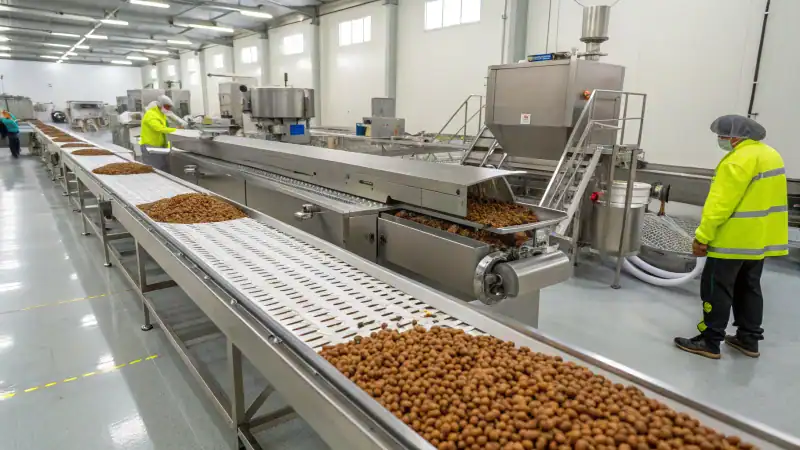
Pet food extrusion is the dominant manufacturing method globally, representing 57% of the U.S. dry canine diet market[1]. This thermal processing technique combines heat, pressure, and steam to cook and expand ingredients, creating the kibble pet owners recognize. While extrusion offers significant advantages in food safety, pathogen elimination, and nutrient bioavailability, recent scientific research reveals both benefits and potential concerns that deserve careful examination. This article explores the science behind extrusion, its actual impact on pet nutrition, the role of processing temperatures, and what modern research tells us about optimizing this process for pet health.
Understanding the Extrusion Process
What Is Extrusion?
Pet food extrusion is a mechanical and thermal process that forces a mixture of wet and dry ingredients through a barrel under high pressure and temperature. The process typically involves:
Ingredient mixing - Combining proteins, carbohydrates, fats, vitamins, and minerals
Preconditioning - Initial heating and moisture addition (typically 70–100°C)
Extrusion - Forcing ingredients through a die at temperatures ranging from 110–150°C under high pressure
Drying and cooling - Post-extrusion processing to reduce moisture to optimal levels
Coating and packaging - Addition of fats, nutrients, and preservation for shelf stability[1][2]
Modern extrusion technology includes both single-screw and twin-screw systems, with twin-screw models offering better ingredient mixing and more uniform processing conditions[1].
Why Extrusion Became the Industry Standard
Extrusion dominates the pet food industry for practical and functional reasons:
Food safety: The combination of high temperature and pressure effectively eliminates pathogenic bacteria, making extruded kibble a hygienic option compared to raw and fresh diets[2]
Cost efficiency and scalability: High-volume production capacity makes kibble affordable for mass markets
Shelf stability: The low moisture content (10–12%) allows for extended storage without refrigeration
Ingredient flexibility: The process can accommodate diverse protein and carbohydrate sources, enabling complex formulations[1]
The Science Behind Nutrient Changes During Extrusion
Positive Effects: Improved Digestibility
One of the most significant findings in extrusion research is that the process often improves nutrient digestibility rather than degrading it. A landmark study examining the effects of extrusion on grain-free pet foods found:
Amino acid availability increases: Extrusion processing improved amino acid digestibility in most diets tested compared to raw ingredients[1]
Protein quality enhancement: Preconditioning and extrusion improved protein quality across diet formulations, making proteins more readily available for absorption[1]
Starch gelatinization: The heat and moisture of extrusion break down starch granules, improving carbohydrate digestibility and metabolizable energy[3]
Pathogen elimination: The thermal treatment ensures elimination of harmful bacteria and pathogens[2]
In fact, the research concluded that extrusion at moderate temperatures (130–150°C) with appropriate moisture levels represents "a mild heat treatment with respect to protein quality for pet food production"[1].
Potential Concerns: Advanced Glycation End Products (AGEs)
While extrusion improves digestibility, recent research raises concerns about the formation of compounds called Advanced Glycation End Products (AGEs), also known as glycotoxins. These form through the Maillard reaction—a chemical interaction between amino acids and reducing sugars that occurs during high-temperature processing.
What are AGEs?
AGEs are pro-oxidant compounds with no nutritional value that accumulate in living tissues over time. During extrusion processing (particularly at temperatures above 140°C), the Maillard reaction creates these compounds as a byproduct[4]. Once consumed, AGEs:
Accumulate in the body without nutritional benefit
Trigger inflammatory responses
May contribute to chronic health conditions with prolonged exposure[4]
Current research status: While AGEs have been extensively studied in human nutrition and linked to aging and disease progression, the long-term health impact of dietary AGEs in pet foods is still emerging[4]. Some researchers suggest that AGE content may be a contributing factor in the prevalence of chronic conditions in companion animals, though causation remains under investigation.
Temperature Matters: The Processing Temperature Sweet Spot
Scientific research identifies an optimal processing temperature range for extrusion that balances nutrient improvement with minimizing unwanted chemical reactions:
Low temperatures (110°C): May not achieve full nutrient gelatinization or pathogen elimination
Optimal range (130–150°C): Produces improved digestibility while limiting heat-sensitive nutrient damage[1]
High temperatures (200°C+): May increase AGE formation and degrade heat-sensitive nutrients like certain vitamins and omega-3 fatty acids[1][2]
The scientific consensus suggests that extrusion temperatures in the 130–150°C range represent an evidence-based balance between safety, digestibility, and minimizing unwanted thermal reactions[1].
Effects on Specific Nutrients
Proteins and Amino Acids
Positive finding: Extrusion improves amino acid availability. Research shows that both preconditioning and extrusion increase the digestibility of amino acids, making them more bioavailable to dogs[1].
Notable amino acids: In grain-free formulations, methionine and tryptophan were identified as the most limited amino acids, suggesting that formulation must account for these critical compounds[1].
Essential Fatty Acids
Extrusion can affect omega-3 and omega-6 fatty acids, particularly at higher drying temperatures. Research indicates that fatty acids like C18:3 n-3 (found in plant-based sources) are most vulnerable to oxidative degradation at drying temperatures above 200°C[1]. This suggests that post-extrusion processing temperatures also warrant careful management.
Vitamins and Heat-Sensitive Nutrients
Traditional high-temperature extrusion (up to 400°F/204°C) can degrade certain water-soluble vitamins and heat-sensitive micronutrients. This is why many commercial kibbles include added vitamin supplements to restore nutritional completeness[2]. More moderate extrusion temperatures help preserve these nutrients in their bioavailable forms.
Taurine Preservation
For cat foods and certain dog food formulations, taurine is a critical amino acid. Research confirms that extrusion processing does not reduce the amount of natural or synthetic taurine in diets, making it a reliable way to preserve this essential nutrient[1].
Protein Source Considerations
Animal-Based vs. Plant-Based Proteins
A key finding from recent research is that extrusion affects different protein sources differently:
Plant-based proteins (pulses): Extrusion actually improves amino acid digestibility in plant-based proteins, making them more bioavailable[1]. This is particularly relevant as plant proteins gain market interest in sustainable pet foods
Animal-based proteins: Extrusion maintains and often improves digestibility of animal proteins while preserving protein quality[1]
The research demonstrates that grain-free diets with up to 40% pulses can provide excellent protein quality after proper extrusion[1], challenging the assumption that plant proteins are inherently inferior when processed correctly.
Practical Health Benefits of Properly Extruded Kibble
When extrusion is optimized, pet owners can observe:
Improved digestibility: Reduced stool volume and improved fecal quality
Enhanced nutrient absorption: Better utilization of smaller quantities of food
Healthier gut function: Improved intestinal transit and reduced digestive stress
Convenience and safety: Long shelf life, easy storage, and reduced pathogenic risk compared to raw diets[2]
The Broader Pet Food Processing Landscape
It's important to note that extrusion is not the only pet food processing method. The market includes:
Freshly cooked foods: Lower-temperature preparation (typically under 100°C) that may better preserve heat-sensitive nutrients
Baked kibble: Alternative to extrusion that may preserve certain nutrients better but operates at similar or higher temperatures
Fresh and frozen foods: Minimally processed options with higher moisture content[2]
Research comparing different processing methods remains limited, with mixed results on whether alternative methods consistently produce superior health outcomes[2].
Regulatory and Safety Considerations
Pet food extrusion is designed to meet regulatory standards set by organizations like the Association of American Feed Control Officials (AAFCO). These regulations ensure:
Complete and balanced nutrition according to life stage and species requirements
Pathogenic safety through thermal processing
Micronutrient adequacy through formulation and supplementation
However, emerging research on compounds like AGEs suggests that regulatory focus may evolve as understanding of long-term processing impacts develops.
Practical Guidance for Pet Owners
When evaluating extruded pet foods, consider:
Ingredient quality: Look for recognizable, whole-food protein sources rather than by-products
Digestibility claims: Products should clearly state digestibility benefits
Nutritional transparency: Complete nutritional information and analysis guarantees
Manufacturing standards: Reputable manufacturers using controlled extrusion conditions
Individual pet response: Monitor your pet's coat condition, stool quality, energy levels, and overall health
Conclusion
The scientific evidence demonstrates that extrusion, when properly executed at moderate temperatures, is an effective method for producing nutritionally complete, safe, and highly digestible pet foods. The process genuinely improves nutrient availability for dogs and cats while eliminating food safety risks present in raw diets. However, emerging research on thermal reaction byproducts like AGEs suggests that processing optimization—particularly temperature management—remains important for long-term pet health.
Rather than viewing extrusion as inherently problematic, the evidence supports a more nuanced perspective: the quality of extruded pet foods depends heavily on manufacturing practices, ingredient selection, and processing parameter optimization. Premium formulations that utilize moderate-temperature extrusion with high-quality protein sources—such as those developed with modern nutritional science in mind—represent a scientifically validated approach to pet feeding.
Pet owners can feel confident in quality extruded kibble as a foundation for pet nutrition, while remaining aware that processing methods continue to evolve as scientific understanding advances.
References
[1] Hsu, C., Utterback, P. L., Parsons, C. M., Davenport, G. M., Rokey, G., & de Godoy, M. R. C. (2024). Effects of single and twin thermal screw extrusion on protein quality of grain-free pet foods formulated with predominantly animal- or plant-based protein ingredients. Animal Feed Science and Technology. https://www.petfoodindustry.com/articles/15677771-study-protein-quality-in-grainfree-pet-food-increases-after-extrusion
[2] WholeBuddy. (2025, March 11). The benefits of fresh extrusion technology in pet food. WholeBuddy Pet Nutrition. https://www.wholebuddy.co.uk/blogs/pet-article/the-benefits-of-fresh-extrusion-technology-in-pet-food
[3] CFAM International. (2020, September 13). The impact of extrusion on feed production and digestibility. https://cfaminternational.com/the-impact-of-extrusion-on-feed-production-and-digestibility/
[4] Bridglalsingh, S., et al. (2024). Advanced glycation end products in pet foods: Comparative analysis across food types and processing methods. Referenced in: The rise of ultra-processed, extruded kibble in pet food. https://www.linkedin.com/pulse/rise-ultra-processed-extruded-kibble-pet-food-impact-our-jim-galovski-e8hoe
[5] Vondis Pet Nutrition. (2025, February 27). Extrusion in dog food: Nutritional concerns explained. https://vondis.co.za/extrusion-in-dog-food/
[6] Transcon Pet. (2025, July 17). Is low-temperature baked kibble really better? Understanding pet food manufacturing science. https://transconpet.com/is-low-temperature-baked-kibble-really-better-understanding-pet-food-manufacturing-science/
[7] Wageningen University & Research. (n.d.). Extrusion processing: Effects on dry canine diets. https://edepot.wur.nl/121964
Summary
Pet food extrusion is the dominant manufacturing method globally, representing 57% of the U.S. dry canine diet market[1]. This thermal processing technique combines heat, pressure, and steam to cook and expand ingredients, creating the kibble pet owners recognize. While extrusion offers significant advantages in food safety, pathogen elimination, and nutrient bioavailability, recent scientific research reveals both benefits and potential concerns that deserve careful examination. This article explores the science behind extrusion, its actual impact on pet nutrition, the role of processing temperatures, and what modern research tells us about optimizing this process for pet health.
Understanding the Extrusion Process
What Is Extrusion?
Pet food extrusion is a mechanical and thermal process that forces a mixture of wet and dry ingredients through a barrel under high pressure and temperature. The process typically involves:
Ingredient mixing - Combining proteins, carbohydrates, fats, vitamins, and minerals
Preconditioning - Initial heating and moisture addition (typically 70–100°C)
Extrusion - Forcing ingredients through a die at temperatures ranging from 110–150°C under high pressure
Drying and cooling - Post-extrusion processing to reduce moisture to optimal levels
Coating and packaging - Addition of fats, nutrients, and preservation for shelf stability[1][2]
Modern extrusion technology includes both single-screw and twin-screw systems, with twin-screw models offering better ingredient mixing and more uniform processing conditions[1].
Why Extrusion Became the Industry Standard
Extrusion dominates the pet food industry for practical and functional reasons:
Food safety: The combination of high temperature and pressure effectively eliminates pathogenic bacteria, making extruded kibble a hygienic option compared to raw and fresh diets[2]
Cost efficiency and scalability: High-volume production capacity makes kibble affordable for mass markets
Shelf stability: The low moisture content (10–12%) allows for extended storage without refrigeration
Ingredient flexibility: The process can accommodate diverse protein and carbohydrate sources, enabling complex formulations[1]
The Science Behind Nutrient Changes During Extrusion
Positive Effects: Improved Digestibility
One of the most significant findings in extrusion research is that the process often improves nutrient digestibility rather than degrading it. A landmark study examining the effects of extrusion on grain-free pet foods found:
Amino acid availability increases: Extrusion processing improved amino acid digestibility in most diets tested compared to raw ingredients[1]
Protein quality enhancement: Preconditioning and extrusion improved protein quality across diet formulations, making proteins more readily available for absorption[1]
Starch gelatinization: The heat and moisture of extrusion break down starch granules, improving carbohydrate digestibility and metabolizable energy[3]
Pathogen elimination: The thermal treatment ensures elimination of harmful bacteria and pathogens[2]
In fact, the research concluded that extrusion at moderate temperatures (130–150°C) with appropriate moisture levels represents "a mild heat treatment with respect to protein quality for pet food production"[1].
Potential Concerns: Advanced Glycation End Products (AGEs)
While extrusion improves digestibility, recent research raises concerns about the formation of compounds called Advanced Glycation End Products (AGEs), also known as glycotoxins. These form through the Maillard reaction—a chemical interaction between amino acids and reducing sugars that occurs during high-temperature processing.
What are AGEs?
AGEs are pro-oxidant compounds with no nutritional value that accumulate in living tissues over time. During extrusion processing (particularly at temperatures above 140°C), the Maillard reaction creates these compounds as a byproduct[4]. Once consumed, AGEs:
Accumulate in the body without nutritional benefit
Trigger inflammatory responses
May contribute to chronic health conditions with prolonged exposure[4]
Current research status: While AGEs have been extensively studied in human nutrition and linked to aging and disease progression, the long-term health impact of dietary AGEs in pet foods is still emerging[4]. Some researchers suggest that AGE content may be a contributing factor in the prevalence of chronic conditions in companion animals, though causation remains under investigation.
Temperature Matters: The Processing Temperature Sweet Spot
Scientific research identifies an optimal processing temperature range for extrusion that balances nutrient improvement with minimizing unwanted chemical reactions:
Low temperatures (110°C): May not achieve full nutrient gelatinization or pathogen elimination
Optimal range (130–150°C): Produces improved digestibility while limiting heat-sensitive nutrient damage[1]
High temperatures (200°C+): May increase AGE formation and degrade heat-sensitive nutrients like certain vitamins and omega-3 fatty acids[1][2]
The scientific consensus suggests that extrusion temperatures in the 130–150°C range represent an evidence-based balance between safety, digestibility, and minimizing unwanted thermal reactions[1].
Effects on Specific Nutrients
Proteins and Amino Acids
Positive finding: Extrusion improves amino acid availability. Research shows that both preconditioning and extrusion increase the digestibility of amino acids, making them more bioavailable to dogs[1].
Notable amino acids: In grain-free formulations, methionine and tryptophan were identified as the most limited amino acids, suggesting that formulation must account for these critical compounds[1].
Essential Fatty Acids
Extrusion can affect omega-3 and omega-6 fatty acids, particularly at higher drying temperatures. Research indicates that fatty acids like C18:3 n-3 (found in plant-based sources) are most vulnerable to oxidative degradation at drying temperatures above 200°C[1]. This suggests that post-extrusion processing temperatures also warrant careful management.
Vitamins and Heat-Sensitive Nutrients
Traditional high-temperature extrusion (up to 400°F/204°C) can degrade certain water-soluble vitamins and heat-sensitive micronutrients. This is why many commercial kibbles include added vitamin supplements to restore nutritional completeness[2]. More moderate extrusion temperatures help preserve these nutrients in their bioavailable forms.
Taurine Preservation
For cat foods and certain dog food formulations, taurine is a critical amino acid. Research confirms that extrusion processing does not reduce the amount of natural or synthetic taurine in diets, making it a reliable way to preserve this essential nutrient[1].
Protein Source Considerations
Animal-Based vs. Plant-Based Proteins
A key finding from recent research is that extrusion affects different protein sources differently:
Plant-based proteins (pulses): Extrusion actually improves amino acid digestibility in plant-based proteins, making them more bioavailable[1]. This is particularly relevant as plant proteins gain market interest in sustainable pet foods
Animal-based proteins: Extrusion maintains and often improves digestibility of animal proteins while preserving protein quality[1]
The research demonstrates that grain-free diets with up to 40% pulses can provide excellent protein quality after proper extrusion[1], challenging the assumption that plant proteins are inherently inferior when processed correctly.
Practical Health Benefits of Properly Extruded Kibble
When extrusion is optimized, pet owners can observe:
Improved digestibility: Reduced stool volume and improved fecal quality
Enhanced nutrient absorption: Better utilization of smaller quantities of food
Healthier gut function: Improved intestinal transit and reduced digestive stress
Convenience and safety: Long shelf life, easy storage, and reduced pathogenic risk compared to raw diets[2]
The Broader Pet Food Processing Landscape
It's important to note that extrusion is not the only pet food processing method. The market includes:
Freshly cooked foods: Lower-temperature preparation (typically under 100°C) that may better preserve heat-sensitive nutrients
Baked kibble: Alternative to extrusion that may preserve certain nutrients better but operates at similar or higher temperatures
Fresh and frozen foods: Minimally processed options with higher moisture content[2]
Research comparing different processing methods remains limited, with mixed results on whether alternative methods consistently produce superior health outcomes[2].
Regulatory and Safety Considerations
Pet food extrusion is designed to meet regulatory standards set by organizations like the Association of American Feed Control Officials (AAFCO). These regulations ensure:
Complete and balanced nutrition according to life stage and species requirements
Pathogenic safety through thermal processing
Micronutrient adequacy through formulation and supplementation
However, emerging research on compounds like AGEs suggests that regulatory focus may evolve as understanding of long-term processing impacts develops.
Practical Guidance for Pet Owners
When evaluating extruded pet foods, consider:
Ingredient quality: Look for recognizable, whole-food protein sources rather than by-products
Digestibility claims: Products should clearly state digestibility benefits
Nutritional transparency: Complete nutritional information and analysis guarantees
Manufacturing standards: Reputable manufacturers using controlled extrusion conditions
Individual pet response: Monitor your pet's coat condition, stool quality, energy levels, and overall health
Conclusion
The scientific evidence demonstrates that extrusion, when properly executed at moderate temperatures, is an effective method for producing nutritionally complete, safe, and highly digestible pet foods. The process genuinely improves nutrient availability for dogs and cats while eliminating food safety risks present in raw diets. However, emerging research on thermal reaction byproducts like AGEs suggests that processing optimization—particularly temperature management—remains important for long-term pet health.
Rather than viewing extrusion as inherently problematic, the evidence supports a more nuanced perspective: the quality of extruded pet foods depends heavily on manufacturing practices, ingredient selection, and processing parameter optimization. Premium formulations that utilize moderate-temperature extrusion with high-quality protein sources—such as those developed with modern nutritional science in mind—represent a scientifically validated approach to pet feeding.
Pet owners can feel confident in quality extruded kibble as a foundation for pet nutrition, while remaining aware that processing methods continue to evolve as scientific understanding advances.
References
[1] Hsu, C., Utterback, P. L., Parsons, C. M., Davenport, G. M., Rokey, G., & de Godoy, M. R. C. (2024). Effects of single and twin thermal screw extrusion on protein quality of grain-free pet foods formulated with predominantly animal- or plant-based protein ingredients. Animal Feed Science and Technology. https://www.petfoodindustry.com/articles/15677771-study-protein-quality-in-grainfree-pet-food-increases-after-extrusion
[2] WholeBuddy. (2025, March 11). The benefits of fresh extrusion technology in pet food. WholeBuddy Pet Nutrition. https://www.wholebuddy.co.uk/blogs/pet-article/the-benefits-of-fresh-extrusion-technology-in-pet-food
[3] CFAM International. (2020, September 13). The impact of extrusion on feed production and digestibility. https://cfaminternational.com/the-impact-of-extrusion-on-feed-production-and-digestibility/
[4] Bridglalsingh, S., et al. (2024). Advanced glycation end products in pet foods: Comparative analysis across food types and processing methods. Referenced in: The rise of ultra-processed, extruded kibble in pet food. https://www.linkedin.com/pulse/rise-ultra-processed-extruded-kibble-pet-food-impact-our-jim-galovski-e8hoe
[5] Vondis Pet Nutrition. (2025, February 27). Extrusion in dog food: Nutritional concerns explained. https://vondis.co.za/extrusion-in-dog-food/
[6] Transcon Pet. (2025, July 17). Is low-temperature baked kibble really better? Understanding pet food manufacturing science. https://transconpet.com/is-low-temperature-baked-kibble-really-better-understanding-pet-food-manufacturing-science/
[7] Wageningen University & Research. (n.d.). Extrusion processing: Effects on dry canine diets. https://edepot.wur.nl/121964
Summary
Pet food extrusion is the dominant manufacturing method globally, representing 57% of the U.S. dry canine diet market[1]. This thermal processing technique combines heat, pressure, and steam to cook and expand ingredients, creating the kibble pet owners recognize. While extrusion offers significant advantages in food safety, pathogen elimination, and nutrient bioavailability, recent scientific research reveals both benefits and potential concerns that deserve careful examination. This article explores the science behind extrusion, its actual impact on pet nutrition, the role of processing temperatures, and what modern research tells us about optimizing this process for pet health.
Understanding the Extrusion Process
What Is Extrusion?
Pet food extrusion is a mechanical and thermal process that forces a mixture of wet and dry ingredients through a barrel under high pressure and temperature. The process typically involves:
Ingredient mixing - Combining proteins, carbohydrates, fats, vitamins, and minerals
Preconditioning - Initial heating and moisture addition (typically 70–100°C)
Extrusion - Forcing ingredients through a die at temperatures ranging from 110–150°C under high pressure
Drying and cooling - Post-extrusion processing to reduce moisture to optimal levels
Coating and packaging - Addition of fats, nutrients, and preservation for shelf stability[1][2]
Modern extrusion technology includes both single-screw and twin-screw systems, with twin-screw models offering better ingredient mixing and more uniform processing conditions[1].
Why Extrusion Became the Industry Standard
Extrusion dominates the pet food industry for practical and functional reasons:
Food safety: The combination of high temperature and pressure effectively eliminates pathogenic bacteria, making extruded kibble a hygienic option compared to raw and fresh diets[2]
Cost efficiency and scalability: High-volume production capacity makes kibble affordable for mass markets
Shelf stability: The low moisture content (10–12%) allows for extended storage without refrigeration
Ingredient flexibility: The process can accommodate diverse protein and carbohydrate sources, enabling complex formulations[1]
The Science Behind Nutrient Changes During Extrusion
Positive Effects: Improved Digestibility
One of the most significant findings in extrusion research is that the process often improves nutrient digestibility rather than degrading it. A landmark study examining the effects of extrusion on grain-free pet foods found:
Amino acid availability increases: Extrusion processing improved amino acid digestibility in most diets tested compared to raw ingredients[1]
Protein quality enhancement: Preconditioning and extrusion improved protein quality across diet formulations, making proteins more readily available for absorption[1]
Starch gelatinization: The heat and moisture of extrusion break down starch granules, improving carbohydrate digestibility and metabolizable energy[3]
Pathogen elimination: The thermal treatment ensures elimination of harmful bacteria and pathogens[2]
In fact, the research concluded that extrusion at moderate temperatures (130–150°C) with appropriate moisture levels represents "a mild heat treatment with respect to protein quality for pet food production"[1].
Potential Concerns: Advanced Glycation End Products (AGEs)
While extrusion improves digestibility, recent research raises concerns about the formation of compounds called Advanced Glycation End Products (AGEs), also known as glycotoxins. These form through the Maillard reaction—a chemical interaction between amino acids and reducing sugars that occurs during high-temperature processing.
What are AGEs?
AGEs are pro-oxidant compounds with no nutritional value that accumulate in living tissues over time. During extrusion processing (particularly at temperatures above 140°C), the Maillard reaction creates these compounds as a byproduct[4]. Once consumed, AGEs:
Accumulate in the body without nutritional benefit
Trigger inflammatory responses
May contribute to chronic health conditions with prolonged exposure[4]
Current research status: While AGEs have been extensively studied in human nutrition and linked to aging and disease progression, the long-term health impact of dietary AGEs in pet foods is still emerging[4]. Some researchers suggest that AGE content may be a contributing factor in the prevalence of chronic conditions in companion animals, though causation remains under investigation.
Temperature Matters: The Processing Temperature Sweet Spot
Scientific research identifies an optimal processing temperature range for extrusion that balances nutrient improvement with minimizing unwanted chemical reactions:
Low temperatures (110°C): May not achieve full nutrient gelatinization or pathogen elimination
Optimal range (130–150°C): Produces improved digestibility while limiting heat-sensitive nutrient damage[1]
High temperatures (200°C+): May increase AGE formation and degrade heat-sensitive nutrients like certain vitamins and omega-3 fatty acids[1][2]
The scientific consensus suggests that extrusion temperatures in the 130–150°C range represent an evidence-based balance between safety, digestibility, and minimizing unwanted thermal reactions[1].
Effects on Specific Nutrients
Proteins and Amino Acids
Positive finding: Extrusion improves amino acid availability. Research shows that both preconditioning and extrusion increase the digestibility of amino acids, making them more bioavailable to dogs[1].
Notable amino acids: In grain-free formulations, methionine and tryptophan were identified as the most limited amino acids, suggesting that formulation must account for these critical compounds[1].
Essential Fatty Acids
Extrusion can affect omega-3 and omega-6 fatty acids, particularly at higher drying temperatures. Research indicates that fatty acids like C18:3 n-3 (found in plant-based sources) are most vulnerable to oxidative degradation at drying temperatures above 200°C[1]. This suggests that post-extrusion processing temperatures also warrant careful management.
Vitamins and Heat-Sensitive Nutrients
Traditional high-temperature extrusion (up to 400°F/204°C) can degrade certain water-soluble vitamins and heat-sensitive micronutrients. This is why many commercial kibbles include added vitamin supplements to restore nutritional completeness[2]. More moderate extrusion temperatures help preserve these nutrients in their bioavailable forms.
Taurine Preservation
For cat foods and certain dog food formulations, taurine is a critical amino acid. Research confirms that extrusion processing does not reduce the amount of natural or synthetic taurine in diets, making it a reliable way to preserve this essential nutrient[1].
Protein Source Considerations
Animal-Based vs. Plant-Based Proteins
A key finding from recent research is that extrusion affects different protein sources differently:
Plant-based proteins (pulses): Extrusion actually improves amino acid digestibility in plant-based proteins, making them more bioavailable[1]. This is particularly relevant as plant proteins gain market interest in sustainable pet foods
Animal-based proteins: Extrusion maintains and often improves digestibility of animal proteins while preserving protein quality[1]
The research demonstrates that grain-free diets with up to 40% pulses can provide excellent protein quality after proper extrusion[1], challenging the assumption that plant proteins are inherently inferior when processed correctly.
Practical Health Benefits of Properly Extruded Kibble
When extrusion is optimized, pet owners can observe:
Improved digestibility: Reduced stool volume and improved fecal quality
Enhanced nutrient absorption: Better utilization of smaller quantities of food
Healthier gut function: Improved intestinal transit and reduced digestive stress
Convenience and safety: Long shelf life, easy storage, and reduced pathogenic risk compared to raw diets[2]
The Broader Pet Food Processing Landscape
It's important to note that extrusion is not the only pet food processing method. The market includes:
Freshly cooked foods: Lower-temperature preparation (typically under 100°C) that may better preserve heat-sensitive nutrients
Baked kibble: Alternative to extrusion that may preserve certain nutrients better but operates at similar or higher temperatures
Fresh and frozen foods: Minimally processed options with higher moisture content[2]
Research comparing different processing methods remains limited, with mixed results on whether alternative methods consistently produce superior health outcomes[2].
Regulatory and Safety Considerations
Pet food extrusion is designed to meet regulatory standards set by organizations like the Association of American Feed Control Officials (AAFCO). These regulations ensure:
Complete and balanced nutrition according to life stage and species requirements
Pathogenic safety through thermal processing
Micronutrient adequacy through formulation and supplementation
However, emerging research on compounds like AGEs suggests that regulatory focus may evolve as understanding of long-term processing impacts develops.
Practical Guidance for Pet Owners
When evaluating extruded pet foods, consider:
Ingredient quality: Look for recognizable, whole-food protein sources rather than by-products
Digestibility claims: Products should clearly state digestibility benefits
Nutritional transparency: Complete nutritional information and analysis guarantees
Manufacturing standards: Reputable manufacturers using controlled extrusion conditions
Individual pet response: Monitor your pet's coat condition, stool quality, energy levels, and overall health
Conclusion
The scientific evidence demonstrates that extrusion, when properly executed at moderate temperatures, is an effective method for producing nutritionally complete, safe, and highly digestible pet foods. The process genuinely improves nutrient availability for dogs and cats while eliminating food safety risks present in raw diets. However, emerging research on thermal reaction byproducts like AGEs suggests that processing optimization—particularly temperature management—remains important for long-term pet health.
Rather than viewing extrusion as inherently problematic, the evidence supports a more nuanced perspective: the quality of extruded pet foods depends heavily on manufacturing practices, ingredient selection, and processing parameter optimization. Premium formulations that utilize moderate-temperature extrusion with high-quality protein sources—such as those developed with modern nutritional science in mind—represent a scientifically validated approach to pet feeding.
Pet owners can feel confident in quality extruded kibble as a foundation for pet nutrition, while remaining aware that processing methods continue to evolve as scientific understanding advances.
References
[1] Hsu, C., Utterback, P. L., Parsons, C. M., Davenport, G. M., Rokey, G., & de Godoy, M. R. C. (2024). Effects of single and twin thermal screw extrusion on protein quality of grain-free pet foods formulated with predominantly animal- or plant-based protein ingredients. Animal Feed Science and Technology. https://www.petfoodindustry.com/articles/15677771-study-protein-quality-in-grainfree-pet-food-increases-after-extrusion
[2] WholeBuddy. (2025, March 11). The benefits of fresh extrusion technology in pet food. WholeBuddy Pet Nutrition. https://www.wholebuddy.co.uk/blogs/pet-article/the-benefits-of-fresh-extrusion-technology-in-pet-food
[3] CFAM International. (2020, September 13). The impact of extrusion on feed production and digestibility. https://cfaminternational.com/the-impact-of-extrusion-on-feed-production-and-digestibility/
[4] Bridglalsingh, S., et al. (2024). Advanced glycation end products in pet foods: Comparative analysis across food types and processing methods. Referenced in: The rise of ultra-processed, extruded kibble in pet food. https://www.linkedin.com/pulse/rise-ultra-processed-extruded-kibble-pet-food-impact-our-jim-galovski-e8hoe
[5] Vondis Pet Nutrition. (2025, February 27). Extrusion in dog food: Nutritional concerns explained. https://vondis.co.za/extrusion-in-dog-food/
[6] Transcon Pet. (2025, July 17). Is low-temperature baked kibble really better? Understanding pet food manufacturing science. https://transconpet.com/is-low-temperature-baked-kibble-really-better-understanding-pet-food-manufacturing-science/
[7] Wageningen University & Research. (n.d.). Extrusion processing: Effects on dry canine diets. https://edepot.wur.nl/121964


Γράψου στο Newsletter μας
Μπες στη λίστα για να μαθαίνεις νέα, ανακοινώσεις και προσφορές.

Γράψου στο Newsletter μας
Μπες στη λίστα για να μαθαίνεις νέα, ανακοινώσεις και προσφορές.
Γράψου στο Newsletter μας
Μπες στη λίστα για να μαθαίνεις νέα, ανακοινώσεις και προσφορές.
Γράψου στο Newsletter μας
Μπες στη λίστα για να μαθαίνεις νέα, ανακοινώσεις και προσφορές.