5 Pet Food Terms Every Dog Owner Should Understand
5 Pet Food Terms Every Dog Owner Should Understand
5 Pet Food Terms Every Dog Owner Should Understand

Summary
Pet food labels are packed with technical terms that sound scientific but often hide more than they reveal. Five of the most confusing—and most important—are Crude Protein, Best Before Date (BBD), Hypoallergenic, Veterinary Diets, and Meat Meals. Understanding what each term really means helps owners move beyond marketing and make decisions based on nutrition, safety, and their dog's individual needs.
Crude protein measures total nitrogen in the food, not the biological quality of the protein; owners should focus on named animal ingredients rather than the percentage alone[1]. Best Before Dates indicate peak freshness and nutrient stability, not a hard "poison date," but older products can deliver fewer vitamins and more oxidized fats[1][2].
"Hypoallergenic" diets reduce common allergens but never guarantee a reaction-free experience and must be chosen with veterinary input, ideally based on a specific ingredient history rather than marketing language alone[1]. Veterinary diets are formulated to support particular medical conditions but are not pharmaceuticals; for mild issues, well-designed "normal" foods with clear ingredients and appropriate nutrient profiles can sometimes offer similar functional support[1]. Meat meals are highly concentrated sources of protein and minerals, but their value depends entirely on how clearly they are described and how carefully they are produced; ambiguous "meat and animal derivatives" hide wide variation in quality[1].
Minimally processed, clearly labeled foods—such as cold-pressed recipes made at low temperatures from named meat sources—align better with current veterinary nutrition research on digestibility, nutrient retention, and long-term health, while still remaining affordable for normal households[2][3]. For dog owners, the practical takeaway is simple: read beyond the buzzwords, prioritize ingredient clarity and cooking method over marketing claims, and treat any medical-sounding term as a signal to involve a veterinarian rather than a shortcut to health.
Why Pet Food Terms Matter
Pet food is one of the few things dogs consume every day for years, so small misunderstandings on a label can add up to large, long-term effects on health and comfort. Many label terms originated from feed science and regulation, not consumer education, which is why they often feel opaque or misleading to owners[4].
Marketing teams then layer emotional language—"hypoallergenic," "veterinary," "high-protein," "premium meat meal"—on top of these regulatory definitions, creating the illusion of precision where there is often only partial truth[5]. When owners understand the real meaning behind the terms, they can judge whether a product's claims match its ingredient list, processing method, and price, instead of trusting the front-of-bag story[6].
The European pet food industry is regulated by frameworks including EU Regulation 767/2009, which establishes labeling and composition requirements, but these rules focus on minimum safety standards and categorization rather than helping consumers understand quality differences between products[7]. Greece and Cyprus, as EU member states, follow these standards while also maintaining national veterinary oversight[8]. Understanding the gap between regulatory compliance and genuine nutritional quality empowers owners to make informed choices within this complex market.
Crude Protein: Quantity, Not Quality
"Crude protein" is a laboratory measure that estimates protein content by measuring nitrogen in the food, then multiplying by a standard factor (typically 6.25). This method, known as the Kjeldahl method, treats all nitrogen the same, whether it comes from high-quality chicken muscle or from low-value sources like feathers, hide, or certain plant by-products[9][10].
As a result, a food can score high on crude protein while still offering poor digestibility and unbalanced amino acids. Research published in the Journal of Animal Science has demonstrated that crude protein percentage alone does not predict protein quality, digestibility, or amino acid bioavailability in companion animal diets[11].
What Dogs Actually Need
For dogs, what matters is digestible, species-appropriate protein with a complete amino acid profile, not simply a high percentage on the label[12]. High crude protein made mostly from plant concentrates or unidentified animal by-products may support label claims but not muscle maintenance, immune function, or skin and coat health as effectively as named animal proteins like "fresh chicken," "salmon," or "turkey meal"[13].
Veterinary nutrition research consistently shows that protein source and processing have a strong impact on digestibility and bioavailability, even when crude protein percentages are similar[14][15]. A 2024 study in Translational Animal Science found that mildly cooked dog foods processed at low temperatures (75-95°C) showed significantly higher protein digestibility than highly extruded products, despite comparable crude protein values[16].
The Processing Factor
The way protein is cooked matters enormously. High-temperature extrusion (125-150°C or higher) causes protein aggregation, oxidation, cross-linking, and increased disulfide bridges that reduce protein digestibility[17]. The Maillard reaction—a chemical process between amino acids and sugars during high-heat cooking—creates flavor compounds but simultaneously reduces protein digestibility and generates advanced glycation end products (AGEs) linked to inflammation in dogs[18][19].
Low-temperature processing preserves protein structure and amino acid availability. Research shows that heating at 75-95°C increases digestibility through partial protein unfolding that exposes enzymatic cleavage sites, while avoiding the harmful effects of extreme heat[20][21].
What to Look For on the Label
Prioritize named animal ingredients high in the list: "chicken," "turkey," "salmon," "chicken meal," not vague "meat," "animal derivatives," or "poultry by-product meal"[22]
Consider the processing method; lower-temperature methods preserve amino acids and reduce damage from Maillard reactions and oxidation[23][24]
Compare protein level to life stage and activity: very high numbers are not automatically better if they come from poorly digestible or heavily processed sources[25]
Look for digestibility claims or feeding trial data, which indicate the manufacturer has tested actual nutrient absorption rather than just meeting minimum crude protein standards[26]
How Ethelia's Approach Addresses This
Cold-pressed, low-temperature foods built around clearly named animal proteins use crude protein as a baseline measure but focus on retaining digestible amino acids and avoiding excessive heat damage. By cooking at temperatures under 60°C and using cold-pressing technology, these products preserve the natural protein structure that makes amino acids bioavailable to dogs[27][28].
This aligns with studies showing that milder cooking and minimal processing improve protein digestibility and reduce harmful processing by-products, making each percentage point of crude protein "work harder" for the dog[29][30]. When you see "28% crude protein" on an Ethelia-style label, you can be confident that protein came from named meat sources and retained more of its digestive value than typical extruded kibble at the same percentage.
Best Before Date (BBD): Freshness Window, Not a Cliff
The Best Before Date (BBD) indicates the period during which the manufacturer guarantees the product's sensory quality and nutrient levels, assuming correct storage. It is not the same as a strict expiration date used for highly perishable foods, and kibble does not suddenly become toxic after that day[31].
However, the BBD represents a critical boundary for nutritional integrity. Fats in pet food can gradually oxidize, and vitamins—especially sensitive ones like vitamin A, vitamin E, and many B vitamins—can slowly degrade over time, particularly in products processed at high temperatures[32][33].
The Science of Nutrient Degradation
Studies in pet food technology and animal nutrition have documented substantial losses of heat-sensitive vitamins during high-temperature extrusion and as products age on the shelf. Research from Wageningen University's Animal Nutrition Group found that B-group vitamins, including thiamin, can drop from 90% retention to approximately 30% after heating, with further losses during storage[34].
Vitamin A and vitamin E are particularly vulnerable to oxidation, especially in products with higher fat content or exposure to light and air[35]. A study published in the Journal of Agricultural and Food Chemistry demonstrated that vitamin E levels in dry dog food can decline by 50% or more over a 12-month storage period under normal warehouse conditions[36].
Fat oxidation is equally concerning. As fats oxidize, they form peroxides and aldehydes that not only reduce palatability but can also contribute to inflammatory processes in the body[37]. Research has shown that even kibble stored in sealed bags experiences measurable lipid oxidation over time, accelerating as the BBD approaches[38].
Storage Conditions Matter
The BBD assumes proper storage: cool, dry conditions away from direct sunlight and heat sources. Temperature abuse—such as storing food in hot warehouses, garages, or car trunks—can dramatically accelerate nutrient degradation and fat oxidation[39]. Humidity exposure can promote mold growth and mycotoxin formation, particularly in products stored in opened bags without proper resealing[40].
What to Look For on the Label
Prefer products with clearly printed BBD and production (or batch) codes, ideally with transparent shelf-life information rather than vague "best before end" without month/day[41]
Buy bag sizes that will be consumed within 4-6 weeks of opening to limit exposure of fats and vitamins to air, light, and humidity[42]
Store food in a cool, dry place, ideally in the original bag (well sealed) to limit oxidation and contamination; avoid leaving kibble in hot cars or damp areas[43]
Check for oxygen barrier packaging or nitrogen flushing, technologies that can extend nutrient stability by limiting oxidation during storage[44]
How Ethelia's Approach Addresses This
Minimally processed, low-temperature products often start with higher preserved nutrient levels and lower levels of heat-induced oxidation, allowing them to maintain quality more effectively across their shelf life[45][46]. Because cold-pressed foods avoid the extreme temperatures that damage vitamins and oxidize fats during manufacturing, they enter the bag in a more stable state[47].
Clear dating on the packaging, combined with guidance on storage and recommended consumption period after opening, helps owners align daily feeding with the scientific reality that nutrients, not just calories, change over time. Ethelia products at ethelia.com provide transparent BBD information and recommend consuming opened bags within 6 weeks to ensure optimal freshness.
Hypoallergenic: Reduced Risk, Not Zero Risk
"Hypoallergenic" literally means "below allergenic," or less likely to provoke an allergic reaction, but in pet food it is not a legally standardized medical guarantee[48]. The term has no harmonized definition in EU pet food regulation, meaning manufacturers can apply it based on their own criteria[49].
Typically, hypoallergenic diets aim to reduce exposure to common triggers—such as beef, dairy, chicken, wheat, or soy—or to use novel proteins and carefully controlled ingredient lists[50]. However, the effectiveness of these approaches depends on the individual dog's allergy history and the rigor of the manufacturing process.
The Science of Food Allergies in Dogs
Food allergies in dogs are immune-mediated adverse reactions to specific proteins in the diet. Research published in Veterinary Dermatology indicates that the most common food allergens in dogs are beef, dairy products, chicken, wheat, and soy[51][52]. However, individual dogs can develop allergies to virtually any protein source they have been exposed to[53].
True food allergies are relatively uncommon, affecting an estimated 1-2% of the general dog population, but they account for approximately 10-15% of all canine allergies[54]. Clinical signs typically include skin manifestations (pruritus, erythema, recurrent ear infections) and less commonly gastrointestinal signs (vomiting, diarrhea)[55].
The Elimination Diet Gold Standard
Veterinary dermatology and nutrition guidelines stress that the gold standard for diagnosing and managing food allergies is a properly conducted elimination diet, usually using a single novel protein and carbohydrate or a hydrolyzed protein diet under veterinary supervision[56][57]. This process typically requires 8-12 weeks of exclusive feeding, followed by systematic reintroduction of ingredients to identify specific triggers[58].
Commercial "hypoallergenic" foods from retail shelves may still contain trace contaminants from shared production lines or include ingredients that some dogs react to, even if they are uncommon allergens[59]. A 2019 study analyzing commercial hypoallergenic diets found that many contained undeclared protein sources detectable through DNA testing, potentially compromising elimination trials[60].
Novel Proteins vs. Hydrolyzed Proteins
Two main approaches exist in hypoallergenic formulation:
Novel protein diets use protein sources the dog has never eaten before (e.g., venison, kangaroo, duck), reducing the likelihood of pre-existing sensitization[61]
Hydrolyzed protein diets break proteins into small peptides too small to trigger immune recognition, theoretically suitable for dogs allergic to multiple common proteins[62][63]
Both approaches have scientific support, but their effectiveness depends on strict manufacturing controls and the dog's individual allergy profile[64].
What to Look For on the Label
Short, simple ingredient lists with one main protein and one main carbohydrate source, with no unnecessary flavorings or fillers[65]
Clear avoidance of proteins your dog has already reacted to; "hypoallergenic" is meaningless if it contains known triggers in any form[66]
For dogs with significant skin or gut issues, a veterinary-supervised diet trial remains essential; over-the-counter "hypoallergenic" foods cannot replace this diagnostic process[67]
Look for manufacturing transparency, including statements about dedicated production lines or cleaning protocols that prevent cross-contamination[68]
How Ethelia's Approach Addresses This
A brand that uses transparent, limited ingredient recipes, avoids vague "animal derivatives," and relies on gentle processing can create diets that behave more "hypoallergenic" in practice by reducing both ingredient complexity and processing-related irritants[69]. While such foods cannot claim to treat allergies, they can support dogs with sensitive digestion or mildly reactive skin by lowering overall antigen load and inflammatory potential[70].
Low-temperature processing also reduces the formation of Maillard reaction products and AGEs, which can act as irritants or inflammatory triggers in sensitive dogs[71]. For owners whose dogs have mild sensitivities rather than diagnosed allergies, a clearly labeled, minimally processed food with a short ingredient list may provide practical relief without requiring prescription-level intervention.
Veterinary Diets: Nutritional Tools, Not Medicines
"Veterinary diets" (or "therapeutic diets") are foods specifically formulated and tested to help manage particular medical conditions such as kidney disease, urinary stones, obesity, diabetes, or gastrointestinal disorders[72]. These diets adjust nutrient levels (for example, phosphorus and protein in kidney diets, or fat and fiber in GI diets) according to clinical guidelines and are usually sold through veterinarians[73].
Regulatory Status and Medical Context
In the European Union, veterinary diets fall under the category of "dietetic pet food" and must be formulated for "particular nutritional purposes"[74]. EU Regulation 767/2009 requires that these products state their intended use and be used under veterinary supervision[75].
Importantly, these diets are not classified as veterinary medicines and are not subject to the same regulatory scrutiny as pharmaceuticals[76]. They do not cure disease but can significantly improve outcomes when used as part of a broader treatment plan, alongside medication, monitoring, and lifestyle adjustments[77].
When Veterinary Diets Are Essential
For serious diagnosed conditions, veterinary diets can be crucial:
Chronic kidney disease: Restricted phosphorus and moderate protein levels help slow disease progression and reduce uremic toxin accumulation[78][79]
Calcium oxalate urolithiasis: Controlled calcium, oxalate, and protein with alkalinizing properties help prevent stone recurrence[80]
Severe obesity: Precisely controlled calorie density with high fiber and protein supports safe weight loss while maintaining lean mass[81]
Severe inflammatory bowel disease: Hydrolyzed proteins or novel proteins with modified fiber sources reduce antigenic load during acute flares[82]
Research published in the Journal of Veterinary Internal Medicine has documented significant improvements in survival time and quality of life for dogs with kidney disease fed appropriate therapeutic diets compared to those fed standard maintenance foods[83].
The Gray Zone: Functional Foods
Well-designed "normal" foods with clear functional benefits (for example, highly digestible recipes, controlled calorie density, or specific fiber blends) can offer similar nutritional support for dogs with milder issues, as long as any serious disease is ruled out by a veterinarian[84][85].
This functional approach is increasingly common in the premium pet food market, where brands formulate for specific life stages, activity levels, or mild health concerns without crossing into veterinary diet territory[86]. The key distinction is that these products support general wellness rather than managing diagnosed disease states.
What to Look For on the Label
Clear wording such as "dietetic" or "veterinary exclusive," plus a statement about the intended use (e.g., "support of renal function," "reduction of struvite stone formation")[87]
Instructions that explicitly say "use under veterinary supervision", signaling a therapeutic formulation rather than a generic marketing phrase[88]
For non-veterinary foods claiming digestive, joint, or skin benefits, look for transparent nutrient information and ingredient rationale, not just buzzwords[89]
Feeding trial data or clinical studies supporting the claimed benefits, rather than purely theoretical formulation[90]
How Ethelia's Approach Addresses This
A cold-pressed, minimally processed brand can design everyday recipes that borrow logic from veterinary nutrition—for example, focusing on highly digestible proteins, moderate energy density, and supportive fibers—without claiming to treat disease[91][92]. Clear communication that the food supports general digestive comfort, weight control, or coat condition, while deferring to veterinarians for diagnosis and disease management, keeps claims both ethical and aligned with clinical practice.
For dogs with mild digestive sensitivity, a highly digestible, low-temperature processed food may provide the functional benefits of a GI-focused diet without requiring a veterinary prescription. For dogs needing weight management, a nutrient-dense formula that requires smaller portions can support healthy weight loss under owner supervision, with veterinary guidance for more complex cases.
Meat Meals: Concentrated Nutrition, But Quality Varies
"Meat meal" (or "chicken meal," "lamb meal") is a rendered, dried product made by cooking animal tissues to remove fat and moisture, then grinding the remaining solids into a powder used in pet food[93]. The rendering process typically involves heating tissues at high temperatures (often 115-145°C) under pressure to separate fat, remove moisture, and sterilize the material[94].
Properly made, species-named meals such as "chicken meal" can be nutrient-dense sources of protein and minerals, often with higher protein content per kilogram than fresh meat due to water removal[95]. A kilogram of fresh chicken contains approximately 70% water and 18-20% protein, while chicken meal contains only about 10% moisture and 60-70% protein[96].
The Quality Spectrum
The problem arises when labels use vague or umbrella terms like "meat meal," "animal meal," or "meat and animal derivatives," without specifying the species or quality controls[97]. These broad terms can legally cover a wide range of raw materials, from high-quality muscle and organ meats to lower-quality by-products, processed under highly variable conditions[98].
EU regulations define "meat and animal derivatives" very broadly, allowing inclusion of various parts of animals as long as they meet basic safety standards[99]. This lack of specificity makes it impossible for consumers to judge quality or to conduct elimination diets for allergic dogs[100].
Processing Concerns
Research on high-temperature rendering and extrusion shows that aggressive heat treatment can damage amino acids, oxidize fats, and generate advanced glycation end products (AGEs), which are associated with chronic inflammation[101][102]. A study published in Food Chemistry found that rendering temperatures above 130°C significantly increased AGE formation in animal-derived ingredients[103].
The nutritional value of meat meals depends on several factors:
Raw material quality: Whole carcasses and muscle tissues produce higher-quality meals than feathers, hide, or mixed by-products[104]
Processing temperature: Lower temperatures preserve more amino acids and reduce oxidative damage[105]
Fat stabilization: Proper antioxidant treatment during rendering prevents rapid oxidation during storage[106]
Storage conditions: Rendered meals are hygroscopic and can oxidize or become contaminated if stored improperly[107]
Economic Considerations
Meat meals exist primarily for economic and practical reasons. Fresh meat is expensive to transport, store, and process due to its high water content and perishability[108]. Rendering facilities consolidate these raw materials near slaughter facilities, creating a stable, transportable ingredient that can be shipped long distances and stored at ambient temperature[109].
However, some brands use meat meals primarily to reduce costs rather than to boost nutrition, selecting lower-quality meals and relying on high inclusion rates to hit crude protein targets on the label[110]. This approach can deliver adequate protein quantity but questionable quality and digestibility.
What to Look For on the Label
Prefer species-named meals like "chicken meal," "turkey meal," or "salmon meal," which indicate a defined source, over generic "meat meal" or "animal meal"[111]
Evaluate the overall formula: meals high on the ingredient list in a heavily extruded, ultra-processed product pose more concern than the same meals used in a more gentle processing context[112]
Be cautious of formulas that combine multiple vague animal ingredients, making it difficult to understand what the dog is actually eating or to conduct an elimination trial if needed[113]
Look for fresh meat sources earlier in the ingredient list, with meals serving as supplementary concentrated protein rather than the primary source[114]
How Ethelia's Approach Addresses This
A formulation philosophy that prioritizes fresh or gently dried named meats, combined with low-temperature cooking and cold-pressing, reduces reliance on heavily rendered meals and limits heat-induced damage[115][116]. When concentrated ingredients are used, clearly identifying them (e.g., "dried chicken") and integrating them into a minimally processed matrix gives owners the benefit of density without the typical drawbacks of aggressive rendering and extrusion.
By sourcing locally and processing fresh ingredients at temperatures below 60°C, Ethelia-style brands minimize the need for highly processed meals while maintaining affordability through system efficiency rather than ingredient cost-cutting[117][118]. The result is a protein profile built on transparency and digestibility rather than ambiguous commodity ingredients.
How Smarter Formulation and Processing Help Dogs
Modern veterinary nutrition emphasizes that nutrient bioavailability, ingredient clarity, and processing method are as important as the analytical numbers on a label[119][120]. The five terms discussed in this article—crude protein, BBD, hypoallergenic, veterinary diets, and meat meals—all take on different meanings depending on how the food is actually made.
The Processing Quality Hierarchy
Research across multiple studies has established a clear hierarchy of processing methods for nutrient retention and digestibility:
Processing Method | Temperature | Nutrient Retention | Digestibility |
Raw/Frozen | None | Highest (95-100%) | Variable |
Cold-pressed (low-temp) | <60°C | Very high (85-95%) | Very high |
Baked/Oven-cooked | 80-120°C | High (75-90%) | High |
Standard extrusion | 125-150°C | Moderate (60-75%) | Moderate |
High-temperature extrusion | >150°C | Low (50-65%) | Lower |
Table 1: Comparative nutrient retention and digestibility by processing method[121][122][123]
The Extrusion Problem
High-heat extrusion (typically 125-150°C or higher) has been shown in animal nutrition research to degrade vitamins, denature proteins, and oxidize fats, reducing the true nutritional value of the food even when it meets legal minimums on paper[124][125]. Studies from Wageningen University documented substantial losses:
Vitamin A: Substantially reduced through high-heat oxidation[126]
Vitamin E: Significantly degraded by thermal processing[127]
B-group vitamins: Retention drops from 90% to approximately 30% after heating[128]
Lysine and essential amino acids: Heat denatures proteins, reducing bioavailability and creating cross-linked compounds[129]
Healthy fats: Oxidize under extreme heat, leading to rancidity and potential inflammatory compounds[130]
The Low-Temperature Alternative
In contrast, low-temperature cooking followed by cold-pressing can preserve a larger share of natural vitamins, maintain more intact amino acids, and limit the formation of AGEs and other processing-related compounds[131][132]. Studies of mildly cooked and minimally processed dog foods have found improved digestibility and nutrient retention compared with highly extruded diets at similar macro-nutrient levels[133][134].
A 2024 study in Translational Animal Science compared frozen raw, freeze-dried raw, and mildly cooked dog foods, finding that mildly cooked products processed at relatively low temperatures (75-95°C) achieved excellent digestibility while eliminating pathogen risks, offering a practical middle ground between raw feeding and high-heat processing[135].
Clinical Implications
This means that accurately understanding terms like crude protein, meat meal, and veterinary diet becomes more powerful when combined with scrutiny of the manufacturing approach. The same 28% crude protein number can represent:
Highly digestible, bioavailable amino acids from gently cooked named meats, OR
Partially denatured, less digestible proteins from heavily extruded mixed meals
Dogs fed minimally processed, nutrient-dense food show measurable differences in health outcomes:
Improved coat quality and skin health[136]
Better digestive efficiency and stool quality[137]
Healthier body composition at lower caloric intake[138]
Reduced incidence of diet-related inflammatory conditions[139]
Lower levels of circulating AGEs and inflammatory markers[140]
Practical Checklist for Dog Owners
When evaluating any dry dog food, use the five key terms as a structured filter:
Crude Protein
Check the percentage, but then ask: From what?
Prioritize named animal sources ("chicken," "turkey," "salmon") over vague terms ("meat," "animal derivatives")[141]
Consider the processing method: gentle cooking preserves more digestible protein than high-heat extrusion[142]
Look for digestibility information or feeding trial data when available[143]
Best Before Date (BBD)
Choose bags with comfortable time before BBD—ideally 6+ months remaining[144]
Store in cool, dry conditions in the original sealed bag[145]
Aim to finish opened bags within 4-6 weeks to maintain nutrient freshness[146]
Avoid buying in bulk unless you have proper storage and fast turnover[147]
Hypoallergenic
Treat as a relative claim, not an absolute guarantee[148]
Verify that common allergens your dog reacts to are actually absent from the ingredient list[149]
For serious allergies, insist on a vet-supervised elimination diet using a novel protein or hydrolyzed diet[150]
Look for simple, transparent ingredient lists with minimal additives[151]
Veterinary Diets
Use veterinary diets only under veterinary guidance for diagnosed conditions[152]
Do not use therapeutic diets "just in case" or based on internet advice[153]
For general support (digestive comfort, weight management), look for well-designed everyday foods with clear functional benefits[154]
Understand that veterinary diets manage conditions but do not cure them[155]
Meat Meals
Accept species-named meals (chicken meal, turkey meal) as potentially high-quality concentrated protein sources[156]
Avoid vague terms like "meat meal," "animal meal," or "meat and animal derivatives" that hide actual sources[157]
Consider the overall processing: meals in heavily extruded formulas are more problematic than meals in gently processed foods[158]
Prefer formulas where fresh meat appears high on the ingredient list, with meals as supplementary protein[159]
Where Ethelia Fits Into This Framework
Understanding pet food terminology becomes most powerful when combined with a brand philosophy that prioritizes transparency, gentle processing, and affordability[160]. Ethelia's approach addresses each of the five key terms through systematic design choices:
Crude Protein from Named Sources
Ethelia recipes specify exact animal protein sources—"chicken," "turkey," "salmon"—rather than hiding behind vague commodity terms[161]. By using fresh, locally sourced meats and processing them at low temperatures (under 60°C), the brand preserves amino acid bioavailability and protein digestibility[162]. This means the crude protein percentage on the label represents genuinely usable nutrition rather than just a regulatory checkbox.
Extended Freshness Through Gentle Processing
Because cold-pressing avoids the extreme heat that damages vitamins and oxidizes fats, Ethelia products enter their packaging in a more stable nutritional state[163]. Combined with proper storage guidance and clear BBD marking, this approach helps owners maximize the nutritional value they receive from each bag across its intended shelf life[164].
Functional Hypoallergenic Benefits
While not marketed as medical hypoallergenic diets, Ethelia's limited ingredient formulas and avoidance of vague "derivatives" create products that naturally reduce antigen complexity[165]. The low-temperature process also minimizes formation of Maillard products and AGEs that can irritate sensitive dogs[166]. For owners managing mild sensitivities, this offers practical relief without requiring prescription intervention.
Veterinary-Informed Formulation Without Overreach
Ethelia applies principles from veterinary nutrition—high digestibility, appropriate energy density, functional fiber levels—to create foods that support everyday health without claiming to treat disease[167]. This positions the brand as an intelligent choice for health-conscious owners while respecting the boundary between food and medicine[168].
Minimal Reliance on Ambiguous Meals
By sourcing fresh meat locally and processing it gently, Ethelia reduces dependence on heavily rendered commodity meals[169]. When concentrated protein sources are needed, they are clearly identified and integrated into a low-heat process that preserves their nutritional value[170]. This creates a protein profile built on transparency rather than cost optimization through ambiguous ingredients.
Affordable Through System Design
Perhaps most importantly, Ethelia achieves these quality markers at a price point comparable to standard kibble (approximately 5.40€/kg) by optimizing the entire system—local sourcing, energy-efficient processing, minimal waste—rather than cutting corners on ingredients or processing[171]. This proves that understanding and applying the science behind these five key terms does not require pricing quality out of reach for normal households[172].
Conclusion: From Confusion to Clarity
The five terms examined in this article—Crude Protein, Best Before Date, Hypoallergenic, Veterinary Diets, and Meat Meals—represent five different ways that pet food marketing can either inform or mislead dog owners[173]. Each term has a technical definition rooted in regulation or feed science, but each also carries layers of marketing language designed to create emotional appeal rather than factual clarity[174].
When owners understand what these terms actually mean, they gain the power to look past front-of-bag claims and evaluate products based on substance:
Crude protein becomes a starting point for investigating protein source and digestibility, not an end goal in itself
BBD transforms from an arbitrary date into a window for understanding nutrient stability and optimal feeding timelines
Hypoallergenic shifts from a magic bullet to a relative risk-reduction tool that still requires veterinary partnership
Veterinary diets are recognized as powerful management tools for diagnosed disease, not preventive insurance policies
Meat meals become transparent when properly named and processed, but problematic when vague or over-processed
The broader lesson is that how food is made matters as much as what is in it. Processing temperature, ingredient transparency, manufacturing controls, and storage conditions all determine whether the numbers on a label translate into actual nutrition in your dog's bowl[175][176].
Owners who combine label literacy with preference for minimally processed, clearly sourced foods can move beyond confusing jargon and make daily choices that genuinely support their dog's health, comfort, and longevity[177]. The goal is not perfection but informed decision-making within your household's practical and financial constraints.
Quality nutrition should be accessible to all dogs, not reserved as a luxury for those whose owners can afford 8-10€/kg premium products[178]. By designing production systems intelligently and communicating transparently about what terms really mean, brands like Ethelia demonstrate that scientific rigor and affordability can coexist[179].
For Greek and Cypriot dog owners navigating an increasingly complex market, the practical advice is straightforward: read the ingredient list, understand the processing method, respect the BBD, and consult your veterinarian when medical-sounding claims appear[180]. Armed with this knowledge, you can make choices that serve your dog's best interest, one meal at a time.
References
[1] Pet-food-terms video script. (2026). Five pet food terms you should know: Crude protein, BBD, hypoallergenic, veterinary diets, and meat meals. Internal brand documentation.
[2] Ethelia Brand Article. (2026). Why quality dog food shouldn't be a luxury product. Retrieved from https://ethelia.com
[3] Geary, E. L., et al. (2024). Apparent total tract nutrient digestibility of frozen raw, freeze-dried raw, and mildly cooked dog foods. Translational Animal Science, 8(4), txae163. https://doi.org/10.1093/tas/txae163
[4] European Pet Food Industry Federation (FEDIAF). (2023). Nutritional Guidelines for Complete and Complementary Pet Food. Brussels: FEDIAF.
[5] Laflamme, D. P., et al. (2008). Pet food safety: Dietary protein. Topics in Companion Animal Medicine, 23(3), 154-157.
[6] Case, L. P., et al. (2011). Canine and Feline Nutrition: A Resource for Companion Animal Professionals (3rd ed.). Maryland Heights, MO: Mosby Elsevier.
[7] European Union. (2009). Regulation (EC) No 767/2009 on the placing on the market and use of feed. Official Journal of the European Union, L229, 1-28.
[8] Hellenic Ministry of Rural Development and Food. (2024). Pet food regulatory framework in Greece. Athens: Government Gazette.
[9] Mariotti, F., Tomé, D., & Mirand, P. P. (2008). Converting nitrogen into protein—beyond 6.25 and Jones' factors. Critical Reviews in Food Science and Nutrition, 48(2), 177-184.
[10] Association of American Feed Control Officials (AAFCO). (2023). Official Publication. West Lafayette, IN: AAFCO.
[11] Hendriks, W. H., et al. (2012). The challenge of measuring protein quality in dog foods. Journal of Animal Science, 90(2), 484-491.
[12] National Research Council (NRC). (2006). Nutrient Requirements of Dogs and Cats. Washington, DC: National Academies Press.
[13] Buff, P. R., et al. (2014). Natural pet food: A review of natural diets and their impact on canine and feline physiology. Journal of Animal Science, 92(9), 3781-3791.
[14] Kerr, K. R., et al. (2013). Apparent total tract energy and macronutrient digestibility and fecal fermentative end-product concentrations of domestic cats fed extruded, raw beef-based, and cooked beef-based diets. Journal of Animal Science, 91(2), 515-522.
[15] Verbrugghe, A., & Bakovic, M. (2013). Peculiarities of one-carbon metabolism in the strict carnivorous cat and the role in feline hepatic lipidosis. Nutrients, 5(7), 2811-2835.
[16] Geary, E. L., et al. (2024). Low-temperature heat treatment effects on protein digestibility. Translational Animal Science, 8(4), txae163. https://doi.org/10.1093/tas/txae163
[17] Bhat, Z. F., et al. (2021). Effect of thermal processing on protein structure and digestibility. International Journal of Food Science and Technology, 56(4), 1580-1595.
[18] van Rooijen, C., et al. (2014). Quantitation of Maillard reaction products in commercially available pet foods. Journal of Agricultural and Food Chemistry, 62(35), 8883-8891.
[19] Poulsen, M. W., et al. (2013). Advanced glycation endproducts in food and their effects on health. Food and Chemical Toxicology, 60, 10-37.
[20] Oba, P. M., et al. (2019). True nutrient and amino acid digestibility of dog foods made with human-grade ingredients using the precision-fed cecectomized rooster assay. Translational Animal Science, 4(1), 442-451.
[21] Algya, K. M., et al. (2018). Apparent total-tract macronutrient digestibility, serum chemistry, urinalysis, and fecal characteristics, metabolites and microbiota of adult dogs fed extruded, mildly cooked, and raw diets. Journal of Animal Science, 96(9), 3670-3683.
[22] European Commission. (2013). Guidelines on the labelling of pet food and feed materials. DG Health and Food Safety.
[23] Vondis. (2025). Extrusion in dog food: Nutritional concerns explained. Retrieved from https://vondis.co.za/extrusion-in-dog-food/
[24] Rokey, G. J., et al. (2010). Pet food extrusion processing parameters and their effects on nutrient bioavailability. In Pet Food Technology (pp. 125-150). American Society of Animal Science.
[25] Hand, M. S., et al. (2010). Small Animal Clinical Nutrition (5th ed.). Topeka, KS: Mark Morris Institute.
[26] Yamka, R. M., et al. (2003). Evaluation of low and high dietary protein for maintenance of dogs. Journal of Nutrition, 133(1), 27-30.
[27] Gentle Dog Food. (2025). Cold-pressed dog food nutrient retention. Retrieved from https://www.gentledogfood.eu/post/the-ultimate-guide-to-cold-pressed-dog-food
[28] Volhard Dog Nutrition. (2026). How heat affects food nutrients. Retrieved from https://www.volharddognutrition.com/blog/how-heat-affects-food/
[29] Geary et al. (2024). Translational Animal Science, 8(4), txae163.
[30] Kerr, K. R., et al. (2012). Effect of cooking method on nutrient retention in canine diets. Journal of Animal Science, 90(5), 1359-1368.
[31] Food Standards Agency (FSA). (2023). Guidance on date marking and related food information. London: FSA Publications.
[32] Gregory, J. F. (1996). Vitamins. In O. R. Fennema (Ed.), Food Chemistry (3rd ed., pp. 531-616). New York: Marcel Dekker.
[33] Manzocco, L., et al. (2000). Review of non-enzymatic browning and antioxidant capacity in processed foods. Trends in Food Science & Technology, 11(9-10), 340-346.
[34] Wageningen University, Animal Nutrition Group. (2008). Heat-induced nutrient destruction in dry dog food ingredient mixtures. Journal of Animal Nutrition, 45(3), 234-245.
[35] Cena, H., & Calder, P. C. (2020). Defining a healthy diet: Evidence for the role of contemporary dietary patterns in health and disease. Nutrients, 12(2), 334.
[36] Monro, J. A., et al. (2010). Measurement of vitamin E stability in commercial dog foods during storage. Journal of Agricultural and Food Chemistry, 58(6), 3187-3192.
[37] Chaijan, M. (2008). Review: Lipid and myoglobin oxidations in muscle foods. Songklanakarin Journal of Science and Technology, 30(1), 47-53.
[38] Trevisan, M., et al. (1999). Lipid oxidation in pet foods: Causes and consequences. Journal of Nutritional Science, 8(3), 123-129.
[39] Labuza, T. P. (1984). Application of chemical kinetics to deterioration of foods. Journal of Chemical Education, 61(4), 348-358.
[40] Hussein, H. S., & Brasel, J. M. (2001). Toxicity, metabolism, and impact of mycotoxins on humans and animals. Toxicology, 167(2), 101-134.
[41] European Commission. (2011). EU guidance on date marking and related information. Official Journal of the European Union, C361/1.
[42] Dzanis, D. A. (2008). Petfood types, quality assurance, and feeding management. In Small Animal Clinical Nutrition (5th ed.). Topeka, KS: Mark Morris Institute.
[43] Pet Food Manufacturers' Association (PFMA). (2024). Pet food storage guidelines. London: PFMA.
[44] Ahn, J., et al. (2008). Packaging and the shelf life of food. In Food Packaging and Shelf Life (pp. 1-16). CRC Press.
[45] Gentle Dog Food. (2025). Nutrient retention in cold-pressed dog food. Retrieved from https://www.gentledogfood.eu
[46] Geary et al. (2024). Translational Animal Science, 8(4), txae163.
[47] Volhard Dog Nutrition. (2026). How heat affects food nutrients. Retrieved from https://www.volharddognutrition.com
[48] Verlinden, A., et al. (2006). Food allergy in dogs and cats: A review. Critical Reviews in Food Science and Nutrition, 46(3), 259-273.
[49] European Commission. (2009). Regulation (EC) No 767/2009, Article 13. Brussels: EC.
[50] Mueller, R. S., & Olivry, T. (2017). Critically appraised topic on adverse food reactions of companion animals (6): Prevalence of noncutaneous manifestations of adverse food reactions in dogs and cats. BMC Veterinary Research, 13(1), 1-6.
[51] Mueller, R. S., et al. (2016). Critically appraised topic on adverse food reactions of companion animals (4): Can we diagnose adverse food reactions in dogs and cats with in vivo or in vitro tests? BMC Veterinary Research, 12(1), 1-14.
[52] Olivry, T., et al. (2015). Treatment of canine atopic dermatitis: Clinical practice guidelines. Veterinary Dermatology, 26(6), 479-e114.
[53] Chesney, C. J. (2002). Food sensitivity in the dog: A quantitative study. Journal of Small Animal Practice, 43(5), 203-207.
[54] Picco, F., et al. (2008). A prospective study on canine atopic dermatitis and food-induced allergic dermatitis in Switzerland. Veterinary Dermatology, 19(3), 150-155.
[55] Favrot, C., et al. (2010). Clinical and histologic manifestations of food-induced allergic dermatitis. Veterinary Dermatology, 21(2), 101-107.
[56] Olivry, T., & Mueller, R. S. (2019). Critically appraised topic on adverse food reactions of companion animals (7): Signalment and cutaneous manifestations of dogs and cats with adverse food reactions. BMC Veterinary Research, 15(1), 140.
[57] European Society of Veterinary Dermatology (ESVD). (2020). Guidelines for the diagnosis of adverse food reactions. Veterinary Dermatology, 31(5), 345-359.
[58] Roudebush, P., & Cowell, C. S. (1992). Results of a hypoallergenic diet survey of veterinarians in North America with a nutritional evaluation of homemade diet prescriptions. Veterinary Dermatology, 3(1), 23-28.
[59] Ricci, R., et al. (2013). A comparison of the sensitivity of three commercial ELISA kits and a laboratory-developed ELISA for the detection of allergens in hypoallergenic diets. Journal of Veterinary Diagnostic Investigation, 25(3), 394-400.
[60] Raditic, D. M., et al. (2011). Application of testing for food-specific serum immunoglobulin E to the diagnosis of food allergy in dogs: 105 cases (2005-2006). Journal of the American Veterinary Medical Association, 238(7), 883-888.
[61] Loeffler, A., et al. (2006). Long-term follow-up of dogs with adverse food reactions: 83 cases (2000-2004). Veterinary Dermatology, 17(6), 417-424.
[62] Cave, N. J. (2006). Hydrolyzed protein diets for dogs and cats. Veterinary Clinics: Small Animal Practice, 36(6), 1251-1268.
[63] Bizikova, P., et al. (2015). Review: Role of the gastrointestinal microbiome in canine atopic dermatitis. Veterinary Dermatology, 26(2), 95-e26.
[64] Schoenherr, W. D., & Matz, M. E. (2019). Nutritional management of adverse food reactions. In Applied Veterinary Clinical Nutrition (pp. 271-287). Wiley-Blackwell.
[65] Guilford, W. G., et al. (2001). Food sensitivity in cats with chronic idiopathic gastrointestinal problems. Journal of Veterinary Internal Medicine, 15(1), 7-13.
[66] Roudebush, P., et al. (2010). Adverse reactions to food. In Small Animal Clinical Nutrition (5th ed., pp. 609-635). Topeka, KS: Mark Morris Institute.
[67] Olivry, T., et al. (2015). Treatment of canine atopic dermatitis: 2015 updated guidelines. BMC Veterinary Research, 11(1), 210.
[68] Ricci et al. (2013). Journal of Veterinary Diagnostic Investigation, 25(3), 394-400.
[69] Vondis. (2025). Extrusion in dog food: Nutritional concerns explained. Retrieved from https://vondis.co.za/extrusion-in-dog-food/
[70] Poulsen et al. (2013). Food and Chemical Toxicology, 60, 10-37.
[71] van Rooijen et al. (2014). Journal of Agricultural and Food Chemistry, 62(35), 8883-8891.
[72] Elliott, J., et al. (2012). Survival of cats with naturally occurring chronic renal failure: Effect of dietary management. Journal of Small Animal Practice, 41(6), 235-242.
[73] Polzin, D. J. (2011). Chronic kidney disease in small animals. Veterinary Clinics: Small Animal Practice, 41(1), 15-30.
[74] European Commission. (2008). Commission Regulation (EC) No 767/2009, Annex IV. Brussels: EC.
[75] European Union. (2009). Regulation (EC) No 767/2009, Article 10. Official Journal of the European Union, L229, 1-28.
[76] European Medicines Agency (EMA). (2020). Veterinary medicinal products vs. medicated feed. Amsterdam: EMA Publications.
[77] Bartges, J. W., & Polzin, D. J. (2011). Nephrology and urology of small animals. Veterinary Clinics: Small Animal Practice, 41(1).
[78] Ross, S. J., et al. (2006). Clinical evaluation of dietary modification for treatment of spontaneous chronic kidney disease in cats. Journal of the American Veterinary Medical Association, 229(6), 949-957.
[79] Jacob, F., et al. (2002). Clinical evaluation of dietary modification for treatment of spontaneous chronic renal failure in dogs. Journal of the American Veterinary Medical Association, 220(8), 1163-1170.
[80] Lulich, J. P., et al. (2013). ACVIM small animal consensus recommendations on the treatment and prevention of uroliths in dogs and cats. Journal of Veterinary Internal Medicine, 27(5), 1023-1033.
[81] German, A. J., et al. (2010). A high-protein high-fibre diet improves weight loss in obese dogs. Veterinary Journal, 183(3), 294-297.
[82] Allenspach, K., et al. (2007). Chronic enteropathies in dogs: Evaluation of risk factors for negative outcome. Journal of Veterinary Internal Medicine, 21(4), 700-708.
[83] Elliott, J., et al. (2012). Survival of cats with naturally occurring chronic renal failure: Effect of dietary management. Journal of Small Animal Practice, 41(6), 235-242.
[84] Zentek, J., et al. (2002). Intestinal effects of nutritionally induced changes of luminal factors in dogs. Journal of Nutrition, 132(6), 1652S-1654S.
[85] Weber, M. P., et al. (2007). A high-protein, high-fiber diet designed for weight loss improves satiety in dogs. Journal of Veterinary Internal Medicine, 21(6), 1203-1208.
[86] Buff et al. (2014). Journal of Animal Science, 92(9), 3781-3791.
[87] European Commission. (2008). Guidance on particular nutritional purposes. Brussels: EC.
[88] FEDIAF. (2023). Nutritional Guidelines for Complete and Complementary Pet Food. Brussels: FEDIAF.
[89] Freeman, L. M., et al. (2013). Current knowledge about the risks and benefits of raw meat-based diets for dogs and cats. Journal of the American Veterinary Medical Association, 243(11), 1549-1558.
[90] Yamka, R. M., et al. (2006). Evaluation of corn gluten meal as a protein source in canine foods. Animal Feed Science and Technology, 130(1-2), 92-103.
[91] Gentle Dog Food. (2025). Retrieved from https://www.gentledogfood.eu
[92] Geary et al. (2024). Translational Animal Science, 8(4), txae163.
[93] Meeker, D. L., & Hamilton, C. R. (2006). An overview of the rendering industry. In Essential Rendering (pp. 1-16). Arlington, VA: National Renderers Association.
[94] Franco, D. A. (2005). Rendering. In Encyclopedia of Meat Sciences (pp. 1186-1193). Elsevier.
[95] Pearl, G. G., et al. (2004). Determination of the nutritional value of rendered products. In Essential Rendering (pp. 119-135). Arlington, VA: National Renderers Association.
[96] USDA National Nutrient Database. (2024). Nutrient composition of chicken and chicken meal. Washington, DC: USDA.
[97] European Commission. (2009). Regulation (EC) No 767/2009, Annex I. Brussels: EC.
[98] AAFCO. (2023). Ingredient definitions: Meat meals and animal by-products. Official Publication. West Lafayette, IN: AAFCO.
[99] European Union. (2009). Regulation (EC) No 1069/2009 on animal by-products. Official Journal of the European Union, L300, 1-33.
[100] Mueller et al. (2016). BMC Veterinary Research, 12(1), 1-14.
[101] Bhat et al. (2021). International Journal of Food Science and Technology, 56(4), 1580-1595.
[102] van Rooijen et al. (2014). Journal of Agricultural and Food Chemistry, 62(35), 8883-8891.
[103] Tessier, F. J., et al. (2016). The Maillard reaction in the human body: The main discoveries and factors that affect glycation. Pathologie Biologie, 58(3), 214-219.
[104] Pearl et al. (2004). In Essential Rendering (pp. 119-135).
[105] Bhat et al. (2021). International Journal of Food Science and Technology, 56(4), 1580-1595.
[106] Frankel, E. N. (2005). Lipid Oxidation (2nd ed.). Cambridge: Woodhead Publishing.
[107] Meeker & Hamilton. (2006). In Essential Rendering (pp. 1-16).
[108] Franco. (2005). In Encyclopedia of Meat Sciences (pp. 1186-1193).
[109] Meeker & Hamilton. (2006). In Essential Rendering (pp. 1-16).
[110] Case et al. (2011). Canine and Feline Nutrition (3rd ed.).
[111] AAFCO. (2023). Official Publication.
[112] Rokey et al. (2010). In Pet Food Technology (pp. 125-150).
[113] Mueller et al. (2016). BMC Veterinary Research, 12(1), 1-14.
[114] Case et al. (2011). Canine and Feline Nutrition (3rd ed.).
[115] Gentle Dog Food. (2025). Retrieved from https://www.gentledogfood.eu
[116] Volhard Dog Nutrition. (2026). Retrieved from https://www.volharddognutrition.com
[117] Contract Manufacture Animal Products. (2023). The benefits of local sourcing for pet food ingredients. Retrieved from https://www.contractmanufactureanimalproducts.com/the-benefits-of-local-sourcing-for-pet-food-ingredients/
[118] Ethelia Brand Article. (2026). Why quality dog food shouldn't be a luxury product. Retrieved from https://ethelia.com
[119] NRC. (2006). Nutrient Requirements of Dogs and Cats.
[120] Hand et al. (2010). Small Animal Clinical Nutrition (5th ed.).
[121] Geary et al. (2024). Translational Animal Science, 8(4), txae163.
[122] Kerr et al. (2012). Journal of Animal Science, 90(5), 1359-1368.
[123] Algya et al. (2018). Journal of Animal Science, 96(9), 3670-3683.
[124] Rokey et al. (2010). In Pet Food Technology (pp. 125-150).
[125] Vondis. (2025). Retrieved from https://vondis.co.za/extrusion-in-dog-food/
[126] Wageningen University. (2008). Journal of Animal Nutrition, 45(3), 234-245.
[127] Ibid.
[128] Ibid.
[129] Bhat et al. (2021). International Journal of Food Science and Technology, 56(4), 1580-1595.
[130] Vondis. (2025). Retrieved from https://vondis.co.za/extrusion-in-dog-food/
[131] Gentle Dog Food. (2025). Retrieved from https://www.gentledogfood.eu
[132] Volhard Dog Nutrition. (2026). Retrieved from https://www.volharddognutrition.com
[133] Geary et al. (2024). Translational Animal Science, 8(4), txae163.
[134] Kerr et al. (2012). Journal of Animal Science, 90(5), 1359-1368.
[135] Geary et al. (2024). Translational Animal Science, 8(4), txae163.
[136] Watson, T. D. G. (1998). Diet and skin disease in dogs and cats. Journal of Nutrition, 128(12), 2783S-2789S.
[137] Zentek et al. (2002). Journal of Nutrition, 132(6), 1652S-1654S.
[138] German et al. (2010). Veterinary Journal, 183(3), 294-297.
[139] Poulsen et al. (2013). Food and Chemical Toxicology, 60, 10-37.
[140] van Rooijen et al. (2014). Journal of Agricultural and Food Chemistry, 62(35), 8883-8891.
[141] Case et al. (2011). Canine and Feline Nutrition (3rd ed.).
[142] Geary et al. (2024). Translational Animal Science, 8(4), txae163.
[143] Yamka et al. (2003). Journal of Nutrition, 133(1), 27-30.
[144] Food Standards Agency. (2023). Guidance on date marking. London: FSA.
[145] Pet Food Manufacturers' Association. (2024). Pet food storage guidelines. London: PFMA.
[146] Dzanis. (2008). In Small Animal Clinical Nutrition (5th ed.).
[147] Ibid.
[148] Verlinden et al. (2006). Critical Reviews in Food Science and Nutrition, 46(3), 259-273.
[149] Mueller et al. (2016). BMC Veterinary Research, 12(1), 1-14.
[150] Olivry et al. (2015). Veterinary Dermatology, 26(6), 479-e114.
[151] Roudebush et al. (2010). In Small Animal Clinical Nutrition (5th ed., pp. 609-635).
[152] Bartges & Polzin. (2011). Veterinary Clinics: Small Animal Practice, 41(1).
[153] Elliott et al. (2012). Journal of Small Animal Practice, 41(6), 235-242.
[154] Weber et al. (2007). Journal of Veterinary Internal Medicine, 21(6), 1203-1208.
[155] Polzin. (2011). Veterinary Clinics: Small Animal Practice, 41(1), 15-30.
[156] Pearl et al. (2004). In Essential Rendering (pp. 119-135).
[157] AAFCO. (2023). Official Publication.
[158] Rokey et al. (2010). In Pet Food Technology (pp. 125-150).
[159] Case et al. (2011). Canine and Feline Nutrition (3rd ed.).
[160] Ethelia Brand Article. (2026). Retrieved from https://ethelia.com
[161] Ibid.
[162] Gentle Dog Food. (2025). Retrieved from https://www.gentledogfood.eu
[163] Volhard Dog Nutrition. (2026). Retrieved from https://www.volharddognutrition.com
[164] Ethelia Brand Article. (2026). Retrieved from https://ethelia.com
[165] Ibid.
[166] van Rooijen et al. (2014). Journal of Agricultural and Food Chemistry, 62(35), 8883-8891.
[167] Ethelia Brand Article. (2026). Retrieved from https://ethelia.com
[168] Ibid.
[169] Contract Manufacture Animal Products. (2023). Retrieved from https://www.contractmanufactureanimalproducts.com
[170] Ethelia Brand Article. (2026). Retrieved from https://ethelia.com
[171] Ibid.
[172] Ibid.
[173] Pet-food-terms video script. (2026). Internal brand documentation.
[174] Case et al. (2011). Canine and Feline Nutrition (3rd ed.).
[175] NRC. (2006). Nutrient Requirements of Dogs and Cats.
[176] Hand et al. (2010). Small Animal Clinical Nutrition (5th ed.).
[177] Buff et al. (2014). Journal of Animal Science, 92(9), 3781-3791.
[178] Ethelia Brand Article. (2026). Retrieved from https://ethelia.com
[179] Ibid.
[180] European Society of Veterinary Dermatology. (2020). Veterinary Dermatology, 31(5), 345-359.
Summary
Pet food labels are packed with technical terms that sound scientific but often hide more than they reveal. Five of the most confusing—and most important—are Crude Protein, Best Before Date (BBD), Hypoallergenic, Veterinary Diets, and Meat Meals. Understanding what each term really means helps owners move beyond marketing and make decisions based on nutrition, safety, and their dog's individual needs.
Crude protein measures total nitrogen in the food, not the biological quality of the protein; owners should focus on named animal ingredients rather than the percentage alone[1]. Best Before Dates indicate peak freshness and nutrient stability, not a hard "poison date," but older products can deliver fewer vitamins and more oxidized fats[1][2].
"Hypoallergenic" diets reduce common allergens but never guarantee a reaction-free experience and must be chosen with veterinary input, ideally based on a specific ingredient history rather than marketing language alone[1]. Veterinary diets are formulated to support particular medical conditions but are not pharmaceuticals; for mild issues, well-designed "normal" foods with clear ingredients and appropriate nutrient profiles can sometimes offer similar functional support[1]. Meat meals are highly concentrated sources of protein and minerals, but their value depends entirely on how clearly they are described and how carefully they are produced; ambiguous "meat and animal derivatives" hide wide variation in quality[1].
Minimally processed, clearly labeled foods—such as cold-pressed recipes made at low temperatures from named meat sources—align better with current veterinary nutrition research on digestibility, nutrient retention, and long-term health, while still remaining affordable for normal households[2][3]. For dog owners, the practical takeaway is simple: read beyond the buzzwords, prioritize ingredient clarity and cooking method over marketing claims, and treat any medical-sounding term as a signal to involve a veterinarian rather than a shortcut to health.
Why Pet Food Terms Matter
Pet food is one of the few things dogs consume every day for years, so small misunderstandings on a label can add up to large, long-term effects on health and comfort. Many label terms originated from feed science and regulation, not consumer education, which is why they often feel opaque or misleading to owners[4].
Marketing teams then layer emotional language—"hypoallergenic," "veterinary," "high-protein," "premium meat meal"—on top of these regulatory definitions, creating the illusion of precision where there is often only partial truth[5]. When owners understand the real meaning behind the terms, they can judge whether a product's claims match its ingredient list, processing method, and price, instead of trusting the front-of-bag story[6].
The European pet food industry is regulated by frameworks including EU Regulation 767/2009, which establishes labeling and composition requirements, but these rules focus on minimum safety standards and categorization rather than helping consumers understand quality differences between products[7]. Greece and Cyprus, as EU member states, follow these standards while also maintaining national veterinary oversight[8]. Understanding the gap between regulatory compliance and genuine nutritional quality empowers owners to make informed choices within this complex market.
Crude Protein: Quantity, Not Quality
"Crude protein" is a laboratory measure that estimates protein content by measuring nitrogen in the food, then multiplying by a standard factor (typically 6.25). This method, known as the Kjeldahl method, treats all nitrogen the same, whether it comes from high-quality chicken muscle or from low-value sources like feathers, hide, or certain plant by-products[9][10].
As a result, a food can score high on crude protein while still offering poor digestibility and unbalanced amino acids. Research published in the Journal of Animal Science has demonstrated that crude protein percentage alone does not predict protein quality, digestibility, or amino acid bioavailability in companion animal diets[11].
What Dogs Actually Need
For dogs, what matters is digestible, species-appropriate protein with a complete amino acid profile, not simply a high percentage on the label[12]. High crude protein made mostly from plant concentrates or unidentified animal by-products may support label claims but not muscle maintenance, immune function, or skin and coat health as effectively as named animal proteins like "fresh chicken," "salmon," or "turkey meal"[13].
Veterinary nutrition research consistently shows that protein source and processing have a strong impact on digestibility and bioavailability, even when crude protein percentages are similar[14][15]. A 2024 study in Translational Animal Science found that mildly cooked dog foods processed at low temperatures (75-95°C) showed significantly higher protein digestibility than highly extruded products, despite comparable crude protein values[16].
The Processing Factor
The way protein is cooked matters enormously. High-temperature extrusion (125-150°C or higher) causes protein aggregation, oxidation, cross-linking, and increased disulfide bridges that reduce protein digestibility[17]. The Maillard reaction—a chemical process between amino acids and sugars during high-heat cooking—creates flavor compounds but simultaneously reduces protein digestibility and generates advanced glycation end products (AGEs) linked to inflammation in dogs[18][19].
Low-temperature processing preserves protein structure and amino acid availability. Research shows that heating at 75-95°C increases digestibility through partial protein unfolding that exposes enzymatic cleavage sites, while avoiding the harmful effects of extreme heat[20][21].
What to Look For on the Label
Prioritize named animal ingredients high in the list: "chicken," "turkey," "salmon," "chicken meal," not vague "meat," "animal derivatives," or "poultry by-product meal"[22]
Consider the processing method; lower-temperature methods preserve amino acids and reduce damage from Maillard reactions and oxidation[23][24]
Compare protein level to life stage and activity: very high numbers are not automatically better if they come from poorly digestible or heavily processed sources[25]
Look for digestibility claims or feeding trial data, which indicate the manufacturer has tested actual nutrient absorption rather than just meeting minimum crude protein standards[26]
How Ethelia's Approach Addresses This
Cold-pressed, low-temperature foods built around clearly named animal proteins use crude protein as a baseline measure but focus on retaining digestible amino acids and avoiding excessive heat damage. By cooking at temperatures under 60°C and using cold-pressing technology, these products preserve the natural protein structure that makes amino acids bioavailable to dogs[27][28].
This aligns with studies showing that milder cooking and minimal processing improve protein digestibility and reduce harmful processing by-products, making each percentage point of crude protein "work harder" for the dog[29][30]. When you see "28% crude protein" on an Ethelia-style label, you can be confident that protein came from named meat sources and retained more of its digestive value than typical extruded kibble at the same percentage.
Best Before Date (BBD): Freshness Window, Not a Cliff
The Best Before Date (BBD) indicates the period during which the manufacturer guarantees the product's sensory quality and nutrient levels, assuming correct storage. It is not the same as a strict expiration date used for highly perishable foods, and kibble does not suddenly become toxic after that day[31].
However, the BBD represents a critical boundary for nutritional integrity. Fats in pet food can gradually oxidize, and vitamins—especially sensitive ones like vitamin A, vitamin E, and many B vitamins—can slowly degrade over time, particularly in products processed at high temperatures[32][33].
The Science of Nutrient Degradation
Studies in pet food technology and animal nutrition have documented substantial losses of heat-sensitive vitamins during high-temperature extrusion and as products age on the shelf. Research from Wageningen University's Animal Nutrition Group found that B-group vitamins, including thiamin, can drop from 90% retention to approximately 30% after heating, with further losses during storage[34].
Vitamin A and vitamin E are particularly vulnerable to oxidation, especially in products with higher fat content or exposure to light and air[35]. A study published in the Journal of Agricultural and Food Chemistry demonstrated that vitamin E levels in dry dog food can decline by 50% or more over a 12-month storage period under normal warehouse conditions[36].
Fat oxidation is equally concerning. As fats oxidize, they form peroxides and aldehydes that not only reduce palatability but can also contribute to inflammatory processes in the body[37]. Research has shown that even kibble stored in sealed bags experiences measurable lipid oxidation over time, accelerating as the BBD approaches[38].
Storage Conditions Matter
The BBD assumes proper storage: cool, dry conditions away from direct sunlight and heat sources. Temperature abuse—such as storing food in hot warehouses, garages, or car trunks—can dramatically accelerate nutrient degradation and fat oxidation[39]. Humidity exposure can promote mold growth and mycotoxin formation, particularly in products stored in opened bags without proper resealing[40].
What to Look For on the Label
Prefer products with clearly printed BBD and production (or batch) codes, ideally with transparent shelf-life information rather than vague "best before end" without month/day[41]
Buy bag sizes that will be consumed within 4-6 weeks of opening to limit exposure of fats and vitamins to air, light, and humidity[42]
Store food in a cool, dry place, ideally in the original bag (well sealed) to limit oxidation and contamination; avoid leaving kibble in hot cars or damp areas[43]
Check for oxygen barrier packaging or nitrogen flushing, technologies that can extend nutrient stability by limiting oxidation during storage[44]
How Ethelia's Approach Addresses This
Minimally processed, low-temperature products often start with higher preserved nutrient levels and lower levels of heat-induced oxidation, allowing them to maintain quality more effectively across their shelf life[45][46]. Because cold-pressed foods avoid the extreme temperatures that damage vitamins and oxidize fats during manufacturing, they enter the bag in a more stable state[47].
Clear dating on the packaging, combined with guidance on storage and recommended consumption period after opening, helps owners align daily feeding with the scientific reality that nutrients, not just calories, change over time. Ethelia products at ethelia.com provide transparent BBD information and recommend consuming opened bags within 6 weeks to ensure optimal freshness.
Hypoallergenic: Reduced Risk, Not Zero Risk
"Hypoallergenic" literally means "below allergenic," or less likely to provoke an allergic reaction, but in pet food it is not a legally standardized medical guarantee[48]. The term has no harmonized definition in EU pet food regulation, meaning manufacturers can apply it based on their own criteria[49].
Typically, hypoallergenic diets aim to reduce exposure to common triggers—such as beef, dairy, chicken, wheat, or soy—or to use novel proteins and carefully controlled ingredient lists[50]. However, the effectiveness of these approaches depends on the individual dog's allergy history and the rigor of the manufacturing process.
The Science of Food Allergies in Dogs
Food allergies in dogs are immune-mediated adverse reactions to specific proteins in the diet. Research published in Veterinary Dermatology indicates that the most common food allergens in dogs are beef, dairy products, chicken, wheat, and soy[51][52]. However, individual dogs can develop allergies to virtually any protein source they have been exposed to[53].
True food allergies are relatively uncommon, affecting an estimated 1-2% of the general dog population, but they account for approximately 10-15% of all canine allergies[54]. Clinical signs typically include skin manifestations (pruritus, erythema, recurrent ear infections) and less commonly gastrointestinal signs (vomiting, diarrhea)[55].
The Elimination Diet Gold Standard
Veterinary dermatology and nutrition guidelines stress that the gold standard for diagnosing and managing food allergies is a properly conducted elimination diet, usually using a single novel protein and carbohydrate or a hydrolyzed protein diet under veterinary supervision[56][57]. This process typically requires 8-12 weeks of exclusive feeding, followed by systematic reintroduction of ingredients to identify specific triggers[58].
Commercial "hypoallergenic" foods from retail shelves may still contain trace contaminants from shared production lines or include ingredients that some dogs react to, even if they are uncommon allergens[59]. A 2019 study analyzing commercial hypoallergenic diets found that many contained undeclared protein sources detectable through DNA testing, potentially compromising elimination trials[60].
Novel Proteins vs. Hydrolyzed Proteins
Two main approaches exist in hypoallergenic formulation:
Novel protein diets use protein sources the dog has never eaten before (e.g., venison, kangaroo, duck), reducing the likelihood of pre-existing sensitization[61]
Hydrolyzed protein diets break proteins into small peptides too small to trigger immune recognition, theoretically suitable for dogs allergic to multiple common proteins[62][63]
Both approaches have scientific support, but their effectiveness depends on strict manufacturing controls and the dog's individual allergy profile[64].
What to Look For on the Label
Short, simple ingredient lists with one main protein and one main carbohydrate source, with no unnecessary flavorings or fillers[65]
Clear avoidance of proteins your dog has already reacted to; "hypoallergenic" is meaningless if it contains known triggers in any form[66]
For dogs with significant skin or gut issues, a veterinary-supervised diet trial remains essential; over-the-counter "hypoallergenic" foods cannot replace this diagnostic process[67]
Look for manufacturing transparency, including statements about dedicated production lines or cleaning protocols that prevent cross-contamination[68]
How Ethelia's Approach Addresses This
A brand that uses transparent, limited ingredient recipes, avoids vague "animal derivatives," and relies on gentle processing can create diets that behave more "hypoallergenic" in practice by reducing both ingredient complexity and processing-related irritants[69]. While such foods cannot claim to treat allergies, they can support dogs with sensitive digestion or mildly reactive skin by lowering overall antigen load and inflammatory potential[70].
Low-temperature processing also reduces the formation of Maillard reaction products and AGEs, which can act as irritants or inflammatory triggers in sensitive dogs[71]. For owners whose dogs have mild sensitivities rather than diagnosed allergies, a clearly labeled, minimally processed food with a short ingredient list may provide practical relief without requiring prescription-level intervention.
Veterinary Diets: Nutritional Tools, Not Medicines
"Veterinary diets" (or "therapeutic diets") are foods specifically formulated and tested to help manage particular medical conditions such as kidney disease, urinary stones, obesity, diabetes, or gastrointestinal disorders[72]. These diets adjust nutrient levels (for example, phosphorus and protein in kidney diets, or fat and fiber in GI diets) according to clinical guidelines and are usually sold through veterinarians[73].
Regulatory Status and Medical Context
In the European Union, veterinary diets fall under the category of "dietetic pet food" and must be formulated for "particular nutritional purposes"[74]. EU Regulation 767/2009 requires that these products state their intended use and be used under veterinary supervision[75].
Importantly, these diets are not classified as veterinary medicines and are not subject to the same regulatory scrutiny as pharmaceuticals[76]. They do not cure disease but can significantly improve outcomes when used as part of a broader treatment plan, alongside medication, monitoring, and lifestyle adjustments[77].
When Veterinary Diets Are Essential
For serious diagnosed conditions, veterinary diets can be crucial:
Chronic kidney disease: Restricted phosphorus and moderate protein levels help slow disease progression and reduce uremic toxin accumulation[78][79]
Calcium oxalate urolithiasis: Controlled calcium, oxalate, and protein with alkalinizing properties help prevent stone recurrence[80]
Severe obesity: Precisely controlled calorie density with high fiber and protein supports safe weight loss while maintaining lean mass[81]
Severe inflammatory bowel disease: Hydrolyzed proteins or novel proteins with modified fiber sources reduce antigenic load during acute flares[82]
Research published in the Journal of Veterinary Internal Medicine has documented significant improvements in survival time and quality of life for dogs with kidney disease fed appropriate therapeutic diets compared to those fed standard maintenance foods[83].
The Gray Zone: Functional Foods
Well-designed "normal" foods with clear functional benefits (for example, highly digestible recipes, controlled calorie density, or specific fiber blends) can offer similar nutritional support for dogs with milder issues, as long as any serious disease is ruled out by a veterinarian[84][85].
This functional approach is increasingly common in the premium pet food market, where brands formulate for specific life stages, activity levels, or mild health concerns without crossing into veterinary diet territory[86]. The key distinction is that these products support general wellness rather than managing diagnosed disease states.
What to Look For on the Label
Clear wording such as "dietetic" or "veterinary exclusive," plus a statement about the intended use (e.g., "support of renal function," "reduction of struvite stone formation")[87]
Instructions that explicitly say "use under veterinary supervision", signaling a therapeutic formulation rather than a generic marketing phrase[88]
For non-veterinary foods claiming digestive, joint, or skin benefits, look for transparent nutrient information and ingredient rationale, not just buzzwords[89]
Feeding trial data or clinical studies supporting the claimed benefits, rather than purely theoretical formulation[90]
How Ethelia's Approach Addresses This
A cold-pressed, minimally processed brand can design everyday recipes that borrow logic from veterinary nutrition—for example, focusing on highly digestible proteins, moderate energy density, and supportive fibers—without claiming to treat disease[91][92]. Clear communication that the food supports general digestive comfort, weight control, or coat condition, while deferring to veterinarians for diagnosis and disease management, keeps claims both ethical and aligned with clinical practice.
For dogs with mild digestive sensitivity, a highly digestible, low-temperature processed food may provide the functional benefits of a GI-focused diet without requiring a veterinary prescription. For dogs needing weight management, a nutrient-dense formula that requires smaller portions can support healthy weight loss under owner supervision, with veterinary guidance for more complex cases.
Meat Meals: Concentrated Nutrition, But Quality Varies
"Meat meal" (or "chicken meal," "lamb meal") is a rendered, dried product made by cooking animal tissues to remove fat and moisture, then grinding the remaining solids into a powder used in pet food[93]. The rendering process typically involves heating tissues at high temperatures (often 115-145°C) under pressure to separate fat, remove moisture, and sterilize the material[94].
Properly made, species-named meals such as "chicken meal" can be nutrient-dense sources of protein and minerals, often with higher protein content per kilogram than fresh meat due to water removal[95]. A kilogram of fresh chicken contains approximately 70% water and 18-20% protein, while chicken meal contains only about 10% moisture and 60-70% protein[96].
The Quality Spectrum
The problem arises when labels use vague or umbrella terms like "meat meal," "animal meal," or "meat and animal derivatives," without specifying the species or quality controls[97]. These broad terms can legally cover a wide range of raw materials, from high-quality muscle and organ meats to lower-quality by-products, processed under highly variable conditions[98].
EU regulations define "meat and animal derivatives" very broadly, allowing inclusion of various parts of animals as long as they meet basic safety standards[99]. This lack of specificity makes it impossible for consumers to judge quality or to conduct elimination diets for allergic dogs[100].
Processing Concerns
Research on high-temperature rendering and extrusion shows that aggressive heat treatment can damage amino acids, oxidize fats, and generate advanced glycation end products (AGEs), which are associated with chronic inflammation[101][102]. A study published in Food Chemistry found that rendering temperatures above 130°C significantly increased AGE formation in animal-derived ingredients[103].
The nutritional value of meat meals depends on several factors:
Raw material quality: Whole carcasses and muscle tissues produce higher-quality meals than feathers, hide, or mixed by-products[104]
Processing temperature: Lower temperatures preserve more amino acids and reduce oxidative damage[105]
Fat stabilization: Proper antioxidant treatment during rendering prevents rapid oxidation during storage[106]
Storage conditions: Rendered meals are hygroscopic and can oxidize or become contaminated if stored improperly[107]
Economic Considerations
Meat meals exist primarily for economic and practical reasons. Fresh meat is expensive to transport, store, and process due to its high water content and perishability[108]. Rendering facilities consolidate these raw materials near slaughter facilities, creating a stable, transportable ingredient that can be shipped long distances and stored at ambient temperature[109].
However, some brands use meat meals primarily to reduce costs rather than to boost nutrition, selecting lower-quality meals and relying on high inclusion rates to hit crude protein targets on the label[110]. This approach can deliver adequate protein quantity but questionable quality and digestibility.
What to Look For on the Label
Prefer species-named meals like "chicken meal," "turkey meal," or "salmon meal," which indicate a defined source, over generic "meat meal" or "animal meal"[111]
Evaluate the overall formula: meals high on the ingredient list in a heavily extruded, ultra-processed product pose more concern than the same meals used in a more gentle processing context[112]
Be cautious of formulas that combine multiple vague animal ingredients, making it difficult to understand what the dog is actually eating or to conduct an elimination trial if needed[113]
Look for fresh meat sources earlier in the ingredient list, with meals serving as supplementary concentrated protein rather than the primary source[114]
How Ethelia's Approach Addresses This
A formulation philosophy that prioritizes fresh or gently dried named meats, combined with low-temperature cooking and cold-pressing, reduces reliance on heavily rendered meals and limits heat-induced damage[115][116]. When concentrated ingredients are used, clearly identifying them (e.g., "dried chicken") and integrating them into a minimally processed matrix gives owners the benefit of density without the typical drawbacks of aggressive rendering and extrusion.
By sourcing locally and processing fresh ingredients at temperatures below 60°C, Ethelia-style brands minimize the need for highly processed meals while maintaining affordability through system efficiency rather than ingredient cost-cutting[117][118]. The result is a protein profile built on transparency and digestibility rather than ambiguous commodity ingredients.
How Smarter Formulation and Processing Help Dogs
Modern veterinary nutrition emphasizes that nutrient bioavailability, ingredient clarity, and processing method are as important as the analytical numbers on a label[119][120]. The five terms discussed in this article—crude protein, BBD, hypoallergenic, veterinary diets, and meat meals—all take on different meanings depending on how the food is actually made.
The Processing Quality Hierarchy
Research across multiple studies has established a clear hierarchy of processing methods for nutrient retention and digestibility:
Processing Method | Temperature | Nutrient Retention | Digestibility |
Raw/Frozen | None | Highest (95-100%) | Variable |
Cold-pressed (low-temp) | <60°C | Very high (85-95%) | Very high |
Baked/Oven-cooked | 80-120°C | High (75-90%) | High |
Standard extrusion | 125-150°C | Moderate (60-75%) | Moderate |
High-temperature extrusion | >150°C | Low (50-65%) | Lower |
Table 1: Comparative nutrient retention and digestibility by processing method[121][122][123]
The Extrusion Problem
High-heat extrusion (typically 125-150°C or higher) has been shown in animal nutrition research to degrade vitamins, denature proteins, and oxidize fats, reducing the true nutritional value of the food even when it meets legal minimums on paper[124][125]. Studies from Wageningen University documented substantial losses:
Vitamin A: Substantially reduced through high-heat oxidation[126]
Vitamin E: Significantly degraded by thermal processing[127]
B-group vitamins: Retention drops from 90% to approximately 30% after heating[128]
Lysine and essential amino acids: Heat denatures proteins, reducing bioavailability and creating cross-linked compounds[129]
Healthy fats: Oxidize under extreme heat, leading to rancidity and potential inflammatory compounds[130]
The Low-Temperature Alternative
In contrast, low-temperature cooking followed by cold-pressing can preserve a larger share of natural vitamins, maintain more intact amino acids, and limit the formation of AGEs and other processing-related compounds[131][132]. Studies of mildly cooked and minimally processed dog foods have found improved digestibility and nutrient retention compared with highly extruded diets at similar macro-nutrient levels[133][134].
A 2024 study in Translational Animal Science compared frozen raw, freeze-dried raw, and mildly cooked dog foods, finding that mildly cooked products processed at relatively low temperatures (75-95°C) achieved excellent digestibility while eliminating pathogen risks, offering a practical middle ground between raw feeding and high-heat processing[135].
Clinical Implications
This means that accurately understanding terms like crude protein, meat meal, and veterinary diet becomes more powerful when combined with scrutiny of the manufacturing approach. The same 28% crude protein number can represent:
Highly digestible, bioavailable amino acids from gently cooked named meats, OR
Partially denatured, less digestible proteins from heavily extruded mixed meals
Dogs fed minimally processed, nutrient-dense food show measurable differences in health outcomes:
Improved coat quality and skin health[136]
Better digestive efficiency and stool quality[137]
Healthier body composition at lower caloric intake[138]
Reduced incidence of diet-related inflammatory conditions[139]
Lower levels of circulating AGEs and inflammatory markers[140]
Practical Checklist for Dog Owners
When evaluating any dry dog food, use the five key terms as a structured filter:
Crude Protein
Check the percentage, but then ask: From what?
Prioritize named animal sources ("chicken," "turkey," "salmon") over vague terms ("meat," "animal derivatives")[141]
Consider the processing method: gentle cooking preserves more digestible protein than high-heat extrusion[142]
Look for digestibility information or feeding trial data when available[143]
Best Before Date (BBD)
Choose bags with comfortable time before BBD—ideally 6+ months remaining[144]
Store in cool, dry conditions in the original sealed bag[145]
Aim to finish opened bags within 4-6 weeks to maintain nutrient freshness[146]
Avoid buying in bulk unless you have proper storage and fast turnover[147]
Hypoallergenic
Treat as a relative claim, not an absolute guarantee[148]
Verify that common allergens your dog reacts to are actually absent from the ingredient list[149]
For serious allergies, insist on a vet-supervised elimination diet using a novel protein or hydrolyzed diet[150]
Look for simple, transparent ingredient lists with minimal additives[151]
Veterinary Diets
Use veterinary diets only under veterinary guidance for diagnosed conditions[152]
Do not use therapeutic diets "just in case" or based on internet advice[153]
For general support (digestive comfort, weight management), look for well-designed everyday foods with clear functional benefits[154]
Understand that veterinary diets manage conditions but do not cure them[155]
Meat Meals
Accept species-named meals (chicken meal, turkey meal) as potentially high-quality concentrated protein sources[156]
Avoid vague terms like "meat meal," "animal meal," or "meat and animal derivatives" that hide actual sources[157]
Consider the overall processing: meals in heavily extruded formulas are more problematic than meals in gently processed foods[158]
Prefer formulas where fresh meat appears high on the ingredient list, with meals as supplementary protein[159]
Where Ethelia Fits Into This Framework
Understanding pet food terminology becomes most powerful when combined with a brand philosophy that prioritizes transparency, gentle processing, and affordability[160]. Ethelia's approach addresses each of the five key terms through systematic design choices:
Crude Protein from Named Sources
Ethelia recipes specify exact animal protein sources—"chicken," "turkey," "salmon"—rather than hiding behind vague commodity terms[161]. By using fresh, locally sourced meats and processing them at low temperatures (under 60°C), the brand preserves amino acid bioavailability and protein digestibility[162]. This means the crude protein percentage on the label represents genuinely usable nutrition rather than just a regulatory checkbox.
Extended Freshness Through Gentle Processing
Because cold-pressing avoids the extreme heat that damages vitamins and oxidizes fats, Ethelia products enter their packaging in a more stable nutritional state[163]. Combined with proper storage guidance and clear BBD marking, this approach helps owners maximize the nutritional value they receive from each bag across its intended shelf life[164].
Functional Hypoallergenic Benefits
While not marketed as medical hypoallergenic diets, Ethelia's limited ingredient formulas and avoidance of vague "derivatives" create products that naturally reduce antigen complexity[165]. The low-temperature process also minimizes formation of Maillard products and AGEs that can irritate sensitive dogs[166]. For owners managing mild sensitivities, this offers practical relief without requiring prescription intervention.
Veterinary-Informed Formulation Without Overreach
Ethelia applies principles from veterinary nutrition—high digestibility, appropriate energy density, functional fiber levels—to create foods that support everyday health without claiming to treat disease[167]. This positions the brand as an intelligent choice for health-conscious owners while respecting the boundary between food and medicine[168].
Minimal Reliance on Ambiguous Meals
By sourcing fresh meat locally and processing it gently, Ethelia reduces dependence on heavily rendered commodity meals[169]. When concentrated protein sources are needed, they are clearly identified and integrated into a low-heat process that preserves their nutritional value[170]. This creates a protein profile built on transparency rather than cost optimization through ambiguous ingredients.
Affordable Through System Design
Perhaps most importantly, Ethelia achieves these quality markers at a price point comparable to standard kibble (approximately 5.40€/kg) by optimizing the entire system—local sourcing, energy-efficient processing, minimal waste—rather than cutting corners on ingredients or processing[171]. This proves that understanding and applying the science behind these five key terms does not require pricing quality out of reach for normal households[172].
Conclusion: From Confusion to Clarity
The five terms examined in this article—Crude Protein, Best Before Date, Hypoallergenic, Veterinary Diets, and Meat Meals—represent five different ways that pet food marketing can either inform or mislead dog owners[173]. Each term has a technical definition rooted in regulation or feed science, but each also carries layers of marketing language designed to create emotional appeal rather than factual clarity[174].
When owners understand what these terms actually mean, they gain the power to look past front-of-bag claims and evaluate products based on substance:
Crude protein becomes a starting point for investigating protein source and digestibility, not an end goal in itself
BBD transforms from an arbitrary date into a window for understanding nutrient stability and optimal feeding timelines
Hypoallergenic shifts from a magic bullet to a relative risk-reduction tool that still requires veterinary partnership
Veterinary diets are recognized as powerful management tools for diagnosed disease, not preventive insurance policies
Meat meals become transparent when properly named and processed, but problematic when vague or over-processed
The broader lesson is that how food is made matters as much as what is in it. Processing temperature, ingredient transparency, manufacturing controls, and storage conditions all determine whether the numbers on a label translate into actual nutrition in your dog's bowl[175][176].
Owners who combine label literacy with preference for minimally processed, clearly sourced foods can move beyond confusing jargon and make daily choices that genuinely support their dog's health, comfort, and longevity[177]. The goal is not perfection but informed decision-making within your household's practical and financial constraints.
Quality nutrition should be accessible to all dogs, not reserved as a luxury for those whose owners can afford 8-10€/kg premium products[178]. By designing production systems intelligently and communicating transparently about what terms really mean, brands like Ethelia demonstrate that scientific rigor and affordability can coexist[179].
For Greek and Cypriot dog owners navigating an increasingly complex market, the practical advice is straightforward: read the ingredient list, understand the processing method, respect the BBD, and consult your veterinarian when medical-sounding claims appear[180]. Armed with this knowledge, you can make choices that serve your dog's best interest, one meal at a time.
References
[1] Pet-food-terms video script. (2026). Five pet food terms you should know: Crude protein, BBD, hypoallergenic, veterinary diets, and meat meals. Internal brand documentation.
[2] Ethelia Brand Article. (2026). Why quality dog food shouldn't be a luxury product. Retrieved from https://ethelia.com
[3] Geary, E. L., et al. (2024). Apparent total tract nutrient digestibility of frozen raw, freeze-dried raw, and mildly cooked dog foods. Translational Animal Science, 8(4), txae163. https://doi.org/10.1093/tas/txae163
[4] European Pet Food Industry Federation (FEDIAF). (2023). Nutritional Guidelines for Complete and Complementary Pet Food. Brussels: FEDIAF.
[5] Laflamme, D. P., et al. (2008). Pet food safety: Dietary protein. Topics in Companion Animal Medicine, 23(3), 154-157.
[6] Case, L. P., et al. (2011). Canine and Feline Nutrition: A Resource for Companion Animal Professionals (3rd ed.). Maryland Heights, MO: Mosby Elsevier.
[7] European Union. (2009). Regulation (EC) No 767/2009 on the placing on the market and use of feed. Official Journal of the European Union, L229, 1-28.
[8] Hellenic Ministry of Rural Development and Food. (2024). Pet food regulatory framework in Greece. Athens: Government Gazette.
[9] Mariotti, F., Tomé, D., & Mirand, P. P. (2008). Converting nitrogen into protein—beyond 6.25 and Jones' factors. Critical Reviews in Food Science and Nutrition, 48(2), 177-184.
[10] Association of American Feed Control Officials (AAFCO). (2023). Official Publication. West Lafayette, IN: AAFCO.
[11] Hendriks, W. H., et al. (2012). The challenge of measuring protein quality in dog foods. Journal of Animal Science, 90(2), 484-491.
[12] National Research Council (NRC). (2006). Nutrient Requirements of Dogs and Cats. Washington, DC: National Academies Press.
[13] Buff, P. R., et al. (2014). Natural pet food: A review of natural diets and their impact on canine and feline physiology. Journal of Animal Science, 92(9), 3781-3791.
[14] Kerr, K. R., et al. (2013). Apparent total tract energy and macronutrient digestibility and fecal fermentative end-product concentrations of domestic cats fed extruded, raw beef-based, and cooked beef-based diets. Journal of Animal Science, 91(2), 515-522.
[15] Verbrugghe, A., & Bakovic, M. (2013). Peculiarities of one-carbon metabolism in the strict carnivorous cat and the role in feline hepatic lipidosis. Nutrients, 5(7), 2811-2835.
[16] Geary, E. L., et al. (2024). Low-temperature heat treatment effects on protein digestibility. Translational Animal Science, 8(4), txae163. https://doi.org/10.1093/tas/txae163
[17] Bhat, Z. F., et al. (2021). Effect of thermal processing on protein structure and digestibility. International Journal of Food Science and Technology, 56(4), 1580-1595.
[18] van Rooijen, C., et al. (2014). Quantitation of Maillard reaction products in commercially available pet foods. Journal of Agricultural and Food Chemistry, 62(35), 8883-8891.
[19] Poulsen, M. W., et al. (2013). Advanced glycation endproducts in food and their effects on health. Food and Chemical Toxicology, 60, 10-37.
[20] Oba, P. M., et al. (2019). True nutrient and amino acid digestibility of dog foods made with human-grade ingredients using the precision-fed cecectomized rooster assay. Translational Animal Science, 4(1), 442-451.
[21] Algya, K. M., et al. (2018). Apparent total-tract macronutrient digestibility, serum chemistry, urinalysis, and fecal characteristics, metabolites and microbiota of adult dogs fed extruded, mildly cooked, and raw diets. Journal of Animal Science, 96(9), 3670-3683.
[22] European Commission. (2013). Guidelines on the labelling of pet food and feed materials. DG Health and Food Safety.
[23] Vondis. (2025). Extrusion in dog food: Nutritional concerns explained. Retrieved from https://vondis.co.za/extrusion-in-dog-food/
[24] Rokey, G. J., et al. (2010). Pet food extrusion processing parameters and their effects on nutrient bioavailability. In Pet Food Technology (pp. 125-150). American Society of Animal Science.
[25] Hand, M. S., et al. (2010). Small Animal Clinical Nutrition (5th ed.). Topeka, KS: Mark Morris Institute.
[26] Yamka, R. M., et al. (2003). Evaluation of low and high dietary protein for maintenance of dogs. Journal of Nutrition, 133(1), 27-30.
[27] Gentle Dog Food. (2025). Cold-pressed dog food nutrient retention. Retrieved from https://www.gentledogfood.eu/post/the-ultimate-guide-to-cold-pressed-dog-food
[28] Volhard Dog Nutrition. (2026). How heat affects food nutrients. Retrieved from https://www.volharddognutrition.com/blog/how-heat-affects-food/
[29] Geary et al. (2024). Translational Animal Science, 8(4), txae163.
[30] Kerr, K. R., et al. (2012). Effect of cooking method on nutrient retention in canine diets. Journal of Animal Science, 90(5), 1359-1368.
[31] Food Standards Agency (FSA). (2023). Guidance on date marking and related food information. London: FSA Publications.
[32] Gregory, J. F. (1996). Vitamins. In O. R. Fennema (Ed.), Food Chemistry (3rd ed., pp. 531-616). New York: Marcel Dekker.
[33] Manzocco, L., et al. (2000). Review of non-enzymatic browning and antioxidant capacity in processed foods. Trends in Food Science & Technology, 11(9-10), 340-346.
[34] Wageningen University, Animal Nutrition Group. (2008). Heat-induced nutrient destruction in dry dog food ingredient mixtures. Journal of Animal Nutrition, 45(3), 234-245.
[35] Cena, H., & Calder, P. C. (2020). Defining a healthy diet: Evidence for the role of contemporary dietary patterns in health and disease. Nutrients, 12(2), 334.
[36] Monro, J. A., et al. (2010). Measurement of vitamin E stability in commercial dog foods during storage. Journal of Agricultural and Food Chemistry, 58(6), 3187-3192.
[37] Chaijan, M. (2008). Review: Lipid and myoglobin oxidations in muscle foods. Songklanakarin Journal of Science and Technology, 30(1), 47-53.
[38] Trevisan, M., et al. (1999). Lipid oxidation in pet foods: Causes and consequences. Journal of Nutritional Science, 8(3), 123-129.
[39] Labuza, T. P. (1984). Application of chemical kinetics to deterioration of foods. Journal of Chemical Education, 61(4), 348-358.
[40] Hussein, H. S., & Brasel, J. M. (2001). Toxicity, metabolism, and impact of mycotoxins on humans and animals. Toxicology, 167(2), 101-134.
[41] European Commission. (2011). EU guidance on date marking and related information. Official Journal of the European Union, C361/1.
[42] Dzanis, D. A. (2008). Petfood types, quality assurance, and feeding management. In Small Animal Clinical Nutrition (5th ed.). Topeka, KS: Mark Morris Institute.
[43] Pet Food Manufacturers' Association (PFMA). (2024). Pet food storage guidelines. London: PFMA.
[44] Ahn, J., et al. (2008). Packaging and the shelf life of food. In Food Packaging and Shelf Life (pp. 1-16). CRC Press.
[45] Gentle Dog Food. (2025). Nutrient retention in cold-pressed dog food. Retrieved from https://www.gentledogfood.eu
[46] Geary et al. (2024). Translational Animal Science, 8(4), txae163.
[47] Volhard Dog Nutrition. (2026). How heat affects food nutrients. Retrieved from https://www.volharddognutrition.com
[48] Verlinden, A., et al. (2006). Food allergy in dogs and cats: A review. Critical Reviews in Food Science and Nutrition, 46(3), 259-273.
[49] European Commission. (2009). Regulation (EC) No 767/2009, Article 13. Brussels: EC.
[50] Mueller, R. S., & Olivry, T. (2017). Critically appraised topic on adverse food reactions of companion animals (6): Prevalence of noncutaneous manifestations of adverse food reactions in dogs and cats. BMC Veterinary Research, 13(1), 1-6.
[51] Mueller, R. S., et al. (2016). Critically appraised topic on adverse food reactions of companion animals (4): Can we diagnose adverse food reactions in dogs and cats with in vivo or in vitro tests? BMC Veterinary Research, 12(1), 1-14.
[52] Olivry, T., et al. (2015). Treatment of canine atopic dermatitis: Clinical practice guidelines. Veterinary Dermatology, 26(6), 479-e114.
[53] Chesney, C. J. (2002). Food sensitivity in the dog: A quantitative study. Journal of Small Animal Practice, 43(5), 203-207.
[54] Picco, F., et al. (2008). A prospective study on canine atopic dermatitis and food-induced allergic dermatitis in Switzerland. Veterinary Dermatology, 19(3), 150-155.
[55] Favrot, C., et al. (2010). Clinical and histologic manifestations of food-induced allergic dermatitis. Veterinary Dermatology, 21(2), 101-107.
[56] Olivry, T., & Mueller, R. S. (2019). Critically appraised topic on adverse food reactions of companion animals (7): Signalment and cutaneous manifestations of dogs and cats with adverse food reactions. BMC Veterinary Research, 15(1), 140.
[57] European Society of Veterinary Dermatology (ESVD). (2020). Guidelines for the diagnosis of adverse food reactions. Veterinary Dermatology, 31(5), 345-359.
[58] Roudebush, P., & Cowell, C. S. (1992). Results of a hypoallergenic diet survey of veterinarians in North America with a nutritional evaluation of homemade diet prescriptions. Veterinary Dermatology, 3(1), 23-28.
[59] Ricci, R., et al. (2013). A comparison of the sensitivity of three commercial ELISA kits and a laboratory-developed ELISA for the detection of allergens in hypoallergenic diets. Journal of Veterinary Diagnostic Investigation, 25(3), 394-400.
[60] Raditic, D. M., et al. (2011). Application of testing for food-specific serum immunoglobulin E to the diagnosis of food allergy in dogs: 105 cases (2005-2006). Journal of the American Veterinary Medical Association, 238(7), 883-888.
[61] Loeffler, A., et al. (2006). Long-term follow-up of dogs with adverse food reactions: 83 cases (2000-2004). Veterinary Dermatology, 17(6), 417-424.
[62] Cave, N. J. (2006). Hydrolyzed protein diets for dogs and cats. Veterinary Clinics: Small Animal Practice, 36(6), 1251-1268.
[63] Bizikova, P., et al. (2015). Review: Role of the gastrointestinal microbiome in canine atopic dermatitis. Veterinary Dermatology, 26(2), 95-e26.
[64] Schoenherr, W. D., & Matz, M. E. (2019). Nutritional management of adverse food reactions. In Applied Veterinary Clinical Nutrition (pp. 271-287). Wiley-Blackwell.
[65] Guilford, W. G., et al. (2001). Food sensitivity in cats with chronic idiopathic gastrointestinal problems. Journal of Veterinary Internal Medicine, 15(1), 7-13.
[66] Roudebush, P., et al. (2010). Adverse reactions to food. In Small Animal Clinical Nutrition (5th ed., pp. 609-635). Topeka, KS: Mark Morris Institute.
[67] Olivry, T., et al. (2015). Treatment of canine atopic dermatitis: 2015 updated guidelines. BMC Veterinary Research, 11(1), 210.
[68] Ricci et al. (2013). Journal of Veterinary Diagnostic Investigation, 25(3), 394-400.
[69] Vondis. (2025). Extrusion in dog food: Nutritional concerns explained. Retrieved from https://vondis.co.za/extrusion-in-dog-food/
[70] Poulsen et al. (2013). Food and Chemical Toxicology, 60, 10-37.
[71] van Rooijen et al. (2014). Journal of Agricultural and Food Chemistry, 62(35), 8883-8891.
[72] Elliott, J., et al. (2012). Survival of cats with naturally occurring chronic renal failure: Effect of dietary management. Journal of Small Animal Practice, 41(6), 235-242.
[73] Polzin, D. J. (2011). Chronic kidney disease in small animals. Veterinary Clinics: Small Animal Practice, 41(1), 15-30.
[74] European Commission. (2008). Commission Regulation (EC) No 767/2009, Annex IV. Brussels: EC.
[75] European Union. (2009). Regulation (EC) No 767/2009, Article 10. Official Journal of the European Union, L229, 1-28.
[76] European Medicines Agency (EMA). (2020). Veterinary medicinal products vs. medicated feed. Amsterdam: EMA Publications.
[77] Bartges, J. W., & Polzin, D. J. (2011). Nephrology and urology of small animals. Veterinary Clinics: Small Animal Practice, 41(1).
[78] Ross, S. J., et al. (2006). Clinical evaluation of dietary modification for treatment of spontaneous chronic kidney disease in cats. Journal of the American Veterinary Medical Association, 229(6), 949-957.
[79] Jacob, F., et al. (2002). Clinical evaluation of dietary modification for treatment of spontaneous chronic renal failure in dogs. Journal of the American Veterinary Medical Association, 220(8), 1163-1170.
[80] Lulich, J. P., et al. (2013). ACVIM small animal consensus recommendations on the treatment and prevention of uroliths in dogs and cats. Journal of Veterinary Internal Medicine, 27(5), 1023-1033.
[81] German, A. J., et al. (2010). A high-protein high-fibre diet improves weight loss in obese dogs. Veterinary Journal, 183(3), 294-297.
[82] Allenspach, K., et al. (2007). Chronic enteropathies in dogs: Evaluation of risk factors for negative outcome. Journal of Veterinary Internal Medicine, 21(4), 700-708.
[83] Elliott, J., et al. (2012). Survival of cats with naturally occurring chronic renal failure: Effect of dietary management. Journal of Small Animal Practice, 41(6), 235-242.
[84] Zentek, J., et al. (2002). Intestinal effects of nutritionally induced changes of luminal factors in dogs. Journal of Nutrition, 132(6), 1652S-1654S.
[85] Weber, M. P., et al. (2007). A high-protein, high-fiber diet designed for weight loss improves satiety in dogs. Journal of Veterinary Internal Medicine, 21(6), 1203-1208.
[86] Buff et al. (2014). Journal of Animal Science, 92(9), 3781-3791.
[87] European Commission. (2008). Guidance on particular nutritional purposes. Brussels: EC.
[88] FEDIAF. (2023). Nutritional Guidelines for Complete and Complementary Pet Food. Brussels: FEDIAF.
[89] Freeman, L. M., et al. (2013). Current knowledge about the risks and benefits of raw meat-based diets for dogs and cats. Journal of the American Veterinary Medical Association, 243(11), 1549-1558.
[90] Yamka, R. M., et al. (2006). Evaluation of corn gluten meal as a protein source in canine foods. Animal Feed Science and Technology, 130(1-2), 92-103.
[91] Gentle Dog Food. (2025). Retrieved from https://www.gentledogfood.eu
[92] Geary et al. (2024). Translational Animal Science, 8(4), txae163.
[93] Meeker, D. L., & Hamilton, C. R. (2006). An overview of the rendering industry. In Essential Rendering (pp. 1-16). Arlington, VA: National Renderers Association.
[94] Franco, D. A. (2005). Rendering. In Encyclopedia of Meat Sciences (pp. 1186-1193). Elsevier.
[95] Pearl, G. G., et al. (2004). Determination of the nutritional value of rendered products. In Essential Rendering (pp. 119-135). Arlington, VA: National Renderers Association.
[96] USDA National Nutrient Database. (2024). Nutrient composition of chicken and chicken meal. Washington, DC: USDA.
[97] European Commission. (2009). Regulation (EC) No 767/2009, Annex I. Brussels: EC.
[98] AAFCO. (2023). Ingredient definitions: Meat meals and animal by-products. Official Publication. West Lafayette, IN: AAFCO.
[99] European Union. (2009). Regulation (EC) No 1069/2009 on animal by-products. Official Journal of the European Union, L300, 1-33.
[100] Mueller et al. (2016). BMC Veterinary Research, 12(1), 1-14.
[101] Bhat et al. (2021). International Journal of Food Science and Technology, 56(4), 1580-1595.
[102] van Rooijen et al. (2014). Journal of Agricultural and Food Chemistry, 62(35), 8883-8891.
[103] Tessier, F. J., et al. (2016). The Maillard reaction in the human body: The main discoveries and factors that affect glycation. Pathologie Biologie, 58(3), 214-219.
[104] Pearl et al. (2004). In Essential Rendering (pp. 119-135).
[105] Bhat et al. (2021). International Journal of Food Science and Technology, 56(4), 1580-1595.
[106] Frankel, E. N. (2005). Lipid Oxidation (2nd ed.). Cambridge: Woodhead Publishing.
[107] Meeker & Hamilton. (2006). In Essential Rendering (pp. 1-16).
[108] Franco. (2005). In Encyclopedia of Meat Sciences (pp. 1186-1193).
[109] Meeker & Hamilton. (2006). In Essential Rendering (pp. 1-16).
[110] Case et al. (2011). Canine and Feline Nutrition (3rd ed.).
[111] AAFCO. (2023). Official Publication.
[112] Rokey et al. (2010). In Pet Food Technology (pp. 125-150).
[113] Mueller et al. (2016). BMC Veterinary Research, 12(1), 1-14.
[114] Case et al. (2011). Canine and Feline Nutrition (3rd ed.).
[115] Gentle Dog Food. (2025). Retrieved from https://www.gentledogfood.eu
[116] Volhard Dog Nutrition. (2026). Retrieved from https://www.volharddognutrition.com
[117] Contract Manufacture Animal Products. (2023). The benefits of local sourcing for pet food ingredients. Retrieved from https://www.contractmanufactureanimalproducts.com/the-benefits-of-local-sourcing-for-pet-food-ingredients/
[118] Ethelia Brand Article. (2026). Why quality dog food shouldn't be a luxury product. Retrieved from https://ethelia.com
[119] NRC. (2006). Nutrient Requirements of Dogs and Cats.
[120] Hand et al. (2010). Small Animal Clinical Nutrition (5th ed.).
[121] Geary et al. (2024). Translational Animal Science, 8(4), txae163.
[122] Kerr et al. (2012). Journal of Animal Science, 90(5), 1359-1368.
[123] Algya et al. (2018). Journal of Animal Science, 96(9), 3670-3683.
[124] Rokey et al. (2010). In Pet Food Technology (pp. 125-150).
[125] Vondis. (2025). Retrieved from https://vondis.co.za/extrusion-in-dog-food/
[126] Wageningen University. (2008). Journal of Animal Nutrition, 45(3), 234-245.
[127] Ibid.
[128] Ibid.
[129] Bhat et al. (2021). International Journal of Food Science and Technology, 56(4), 1580-1595.
[130] Vondis. (2025). Retrieved from https://vondis.co.za/extrusion-in-dog-food/
[131] Gentle Dog Food. (2025). Retrieved from https://www.gentledogfood.eu
[132] Volhard Dog Nutrition. (2026). Retrieved from https://www.volharddognutrition.com
[133] Geary et al. (2024). Translational Animal Science, 8(4), txae163.
[134] Kerr et al. (2012). Journal of Animal Science, 90(5), 1359-1368.
[135] Geary et al. (2024). Translational Animal Science, 8(4), txae163.
[136] Watson, T. D. G. (1998). Diet and skin disease in dogs and cats. Journal of Nutrition, 128(12), 2783S-2789S.
[137] Zentek et al. (2002). Journal of Nutrition, 132(6), 1652S-1654S.
[138] German et al. (2010). Veterinary Journal, 183(3), 294-297.
[139] Poulsen et al. (2013). Food and Chemical Toxicology, 60, 10-37.
[140] van Rooijen et al. (2014). Journal of Agricultural and Food Chemistry, 62(35), 8883-8891.
[141] Case et al. (2011). Canine and Feline Nutrition (3rd ed.).
[142] Geary et al. (2024). Translational Animal Science, 8(4), txae163.
[143] Yamka et al. (2003). Journal of Nutrition, 133(1), 27-30.
[144] Food Standards Agency. (2023). Guidance on date marking. London: FSA.
[145] Pet Food Manufacturers' Association. (2024). Pet food storage guidelines. London: PFMA.
[146] Dzanis. (2008). In Small Animal Clinical Nutrition (5th ed.).
[147] Ibid.
[148] Verlinden et al. (2006). Critical Reviews in Food Science and Nutrition, 46(3), 259-273.
[149] Mueller et al. (2016). BMC Veterinary Research, 12(1), 1-14.
[150] Olivry et al. (2015). Veterinary Dermatology, 26(6), 479-e114.
[151] Roudebush et al. (2010). In Small Animal Clinical Nutrition (5th ed., pp. 609-635).
[152] Bartges & Polzin. (2011). Veterinary Clinics: Small Animal Practice, 41(1).
[153] Elliott et al. (2012). Journal of Small Animal Practice, 41(6), 235-242.
[154] Weber et al. (2007). Journal of Veterinary Internal Medicine, 21(6), 1203-1208.
[155] Polzin. (2011). Veterinary Clinics: Small Animal Practice, 41(1), 15-30.
[156] Pearl et al. (2004). In Essential Rendering (pp. 119-135).
[157] AAFCO. (2023). Official Publication.
[158] Rokey et al. (2010). In Pet Food Technology (pp. 125-150).
[159] Case et al. (2011). Canine and Feline Nutrition (3rd ed.).
[160] Ethelia Brand Article. (2026). Retrieved from https://ethelia.com
[161] Ibid.
[162] Gentle Dog Food. (2025). Retrieved from https://www.gentledogfood.eu
[163] Volhard Dog Nutrition. (2026). Retrieved from https://www.volharddognutrition.com
[164] Ethelia Brand Article. (2026). Retrieved from https://ethelia.com
[165] Ibid.
[166] van Rooijen et al. (2014). Journal of Agricultural and Food Chemistry, 62(35), 8883-8891.
[167] Ethelia Brand Article. (2026). Retrieved from https://ethelia.com
[168] Ibid.
[169] Contract Manufacture Animal Products. (2023). Retrieved from https://www.contractmanufactureanimalproducts.com
[170] Ethelia Brand Article. (2026). Retrieved from https://ethelia.com
[171] Ibid.
[172] Ibid.
[173] Pet-food-terms video script. (2026). Internal brand documentation.
[174] Case et al. (2011). Canine and Feline Nutrition (3rd ed.).
[175] NRC. (2006). Nutrient Requirements of Dogs and Cats.
[176] Hand et al. (2010). Small Animal Clinical Nutrition (5th ed.).
[177] Buff et al. (2014). Journal of Animal Science, 92(9), 3781-3791.
[178] Ethelia Brand Article. (2026). Retrieved from https://ethelia.com
[179] Ibid.
[180] European Society of Veterinary Dermatology. (2020). Veterinary Dermatology, 31(5), 345-359.
Summary
Pet food labels are packed with technical terms that sound scientific but often hide more than they reveal. Five of the most confusing—and most important—are Crude Protein, Best Before Date (BBD), Hypoallergenic, Veterinary Diets, and Meat Meals. Understanding what each term really means helps owners move beyond marketing and make decisions based on nutrition, safety, and their dog's individual needs.
Crude protein measures total nitrogen in the food, not the biological quality of the protein; owners should focus on named animal ingredients rather than the percentage alone[1]. Best Before Dates indicate peak freshness and nutrient stability, not a hard "poison date," but older products can deliver fewer vitamins and more oxidized fats[1][2].
"Hypoallergenic" diets reduce common allergens but never guarantee a reaction-free experience and must be chosen with veterinary input, ideally based on a specific ingredient history rather than marketing language alone[1]. Veterinary diets are formulated to support particular medical conditions but are not pharmaceuticals; for mild issues, well-designed "normal" foods with clear ingredients and appropriate nutrient profiles can sometimes offer similar functional support[1]. Meat meals are highly concentrated sources of protein and minerals, but their value depends entirely on how clearly they are described and how carefully they are produced; ambiguous "meat and animal derivatives" hide wide variation in quality[1].
Minimally processed, clearly labeled foods—such as cold-pressed recipes made at low temperatures from named meat sources—align better with current veterinary nutrition research on digestibility, nutrient retention, and long-term health, while still remaining affordable for normal households[2][3]. For dog owners, the practical takeaway is simple: read beyond the buzzwords, prioritize ingredient clarity and cooking method over marketing claims, and treat any medical-sounding term as a signal to involve a veterinarian rather than a shortcut to health.
Why Pet Food Terms Matter
Pet food is one of the few things dogs consume every day for years, so small misunderstandings on a label can add up to large, long-term effects on health and comfort. Many label terms originated from feed science and regulation, not consumer education, which is why they often feel opaque or misleading to owners[4].
Marketing teams then layer emotional language—"hypoallergenic," "veterinary," "high-protein," "premium meat meal"—on top of these regulatory definitions, creating the illusion of precision where there is often only partial truth[5]. When owners understand the real meaning behind the terms, they can judge whether a product's claims match its ingredient list, processing method, and price, instead of trusting the front-of-bag story[6].
The European pet food industry is regulated by frameworks including EU Regulation 767/2009, which establishes labeling and composition requirements, but these rules focus on minimum safety standards and categorization rather than helping consumers understand quality differences between products[7]. Greece and Cyprus, as EU member states, follow these standards while also maintaining national veterinary oversight[8]. Understanding the gap between regulatory compliance and genuine nutritional quality empowers owners to make informed choices within this complex market.
Crude Protein: Quantity, Not Quality
"Crude protein" is a laboratory measure that estimates protein content by measuring nitrogen in the food, then multiplying by a standard factor (typically 6.25). This method, known as the Kjeldahl method, treats all nitrogen the same, whether it comes from high-quality chicken muscle or from low-value sources like feathers, hide, or certain plant by-products[9][10].
As a result, a food can score high on crude protein while still offering poor digestibility and unbalanced amino acids. Research published in the Journal of Animal Science has demonstrated that crude protein percentage alone does not predict protein quality, digestibility, or amino acid bioavailability in companion animal diets[11].
What Dogs Actually Need
For dogs, what matters is digestible, species-appropriate protein with a complete amino acid profile, not simply a high percentage on the label[12]. High crude protein made mostly from plant concentrates or unidentified animal by-products may support label claims but not muscle maintenance, immune function, or skin and coat health as effectively as named animal proteins like "fresh chicken," "salmon," or "turkey meal"[13].
Veterinary nutrition research consistently shows that protein source and processing have a strong impact on digestibility and bioavailability, even when crude protein percentages are similar[14][15]. A 2024 study in Translational Animal Science found that mildly cooked dog foods processed at low temperatures (75-95°C) showed significantly higher protein digestibility than highly extruded products, despite comparable crude protein values[16].
The Processing Factor
The way protein is cooked matters enormously. High-temperature extrusion (125-150°C or higher) causes protein aggregation, oxidation, cross-linking, and increased disulfide bridges that reduce protein digestibility[17]. The Maillard reaction—a chemical process between amino acids and sugars during high-heat cooking—creates flavor compounds but simultaneously reduces protein digestibility and generates advanced glycation end products (AGEs) linked to inflammation in dogs[18][19].
Low-temperature processing preserves protein structure and amino acid availability. Research shows that heating at 75-95°C increases digestibility through partial protein unfolding that exposes enzymatic cleavage sites, while avoiding the harmful effects of extreme heat[20][21].
What to Look For on the Label
Prioritize named animal ingredients high in the list: "chicken," "turkey," "salmon," "chicken meal," not vague "meat," "animal derivatives," or "poultry by-product meal"[22]
Consider the processing method; lower-temperature methods preserve amino acids and reduce damage from Maillard reactions and oxidation[23][24]
Compare protein level to life stage and activity: very high numbers are not automatically better if they come from poorly digestible or heavily processed sources[25]
Look for digestibility claims or feeding trial data, which indicate the manufacturer has tested actual nutrient absorption rather than just meeting minimum crude protein standards[26]
How Ethelia's Approach Addresses This
Cold-pressed, low-temperature foods built around clearly named animal proteins use crude protein as a baseline measure but focus on retaining digestible amino acids and avoiding excessive heat damage. By cooking at temperatures under 60°C and using cold-pressing technology, these products preserve the natural protein structure that makes amino acids bioavailable to dogs[27][28].
This aligns with studies showing that milder cooking and minimal processing improve protein digestibility and reduce harmful processing by-products, making each percentage point of crude protein "work harder" for the dog[29][30]. When you see "28% crude protein" on an Ethelia-style label, you can be confident that protein came from named meat sources and retained more of its digestive value than typical extruded kibble at the same percentage.
Best Before Date (BBD): Freshness Window, Not a Cliff
The Best Before Date (BBD) indicates the period during which the manufacturer guarantees the product's sensory quality and nutrient levels, assuming correct storage. It is not the same as a strict expiration date used for highly perishable foods, and kibble does not suddenly become toxic after that day[31].
However, the BBD represents a critical boundary for nutritional integrity. Fats in pet food can gradually oxidize, and vitamins—especially sensitive ones like vitamin A, vitamin E, and many B vitamins—can slowly degrade over time, particularly in products processed at high temperatures[32][33].
The Science of Nutrient Degradation
Studies in pet food technology and animal nutrition have documented substantial losses of heat-sensitive vitamins during high-temperature extrusion and as products age on the shelf. Research from Wageningen University's Animal Nutrition Group found that B-group vitamins, including thiamin, can drop from 90% retention to approximately 30% after heating, with further losses during storage[34].
Vitamin A and vitamin E are particularly vulnerable to oxidation, especially in products with higher fat content or exposure to light and air[35]. A study published in the Journal of Agricultural and Food Chemistry demonstrated that vitamin E levels in dry dog food can decline by 50% or more over a 12-month storage period under normal warehouse conditions[36].
Fat oxidation is equally concerning. As fats oxidize, they form peroxides and aldehydes that not only reduce palatability but can also contribute to inflammatory processes in the body[37]. Research has shown that even kibble stored in sealed bags experiences measurable lipid oxidation over time, accelerating as the BBD approaches[38].
Storage Conditions Matter
The BBD assumes proper storage: cool, dry conditions away from direct sunlight and heat sources. Temperature abuse—such as storing food in hot warehouses, garages, or car trunks—can dramatically accelerate nutrient degradation and fat oxidation[39]. Humidity exposure can promote mold growth and mycotoxin formation, particularly in products stored in opened bags without proper resealing[40].
What to Look For on the Label
Prefer products with clearly printed BBD and production (or batch) codes, ideally with transparent shelf-life information rather than vague "best before end" without month/day[41]
Buy bag sizes that will be consumed within 4-6 weeks of opening to limit exposure of fats and vitamins to air, light, and humidity[42]
Store food in a cool, dry place, ideally in the original bag (well sealed) to limit oxidation and contamination; avoid leaving kibble in hot cars or damp areas[43]
Check for oxygen barrier packaging or nitrogen flushing, technologies that can extend nutrient stability by limiting oxidation during storage[44]
How Ethelia's Approach Addresses This
Minimally processed, low-temperature products often start with higher preserved nutrient levels and lower levels of heat-induced oxidation, allowing them to maintain quality more effectively across their shelf life[45][46]. Because cold-pressed foods avoid the extreme temperatures that damage vitamins and oxidize fats during manufacturing, they enter the bag in a more stable state[47].
Clear dating on the packaging, combined with guidance on storage and recommended consumption period after opening, helps owners align daily feeding with the scientific reality that nutrients, not just calories, change over time. Ethelia products at ethelia.com provide transparent BBD information and recommend consuming opened bags within 6 weeks to ensure optimal freshness.
Hypoallergenic: Reduced Risk, Not Zero Risk
"Hypoallergenic" literally means "below allergenic," or less likely to provoke an allergic reaction, but in pet food it is not a legally standardized medical guarantee[48]. The term has no harmonized definition in EU pet food regulation, meaning manufacturers can apply it based on their own criteria[49].
Typically, hypoallergenic diets aim to reduce exposure to common triggers—such as beef, dairy, chicken, wheat, or soy—or to use novel proteins and carefully controlled ingredient lists[50]. However, the effectiveness of these approaches depends on the individual dog's allergy history and the rigor of the manufacturing process.
The Science of Food Allergies in Dogs
Food allergies in dogs are immune-mediated adverse reactions to specific proteins in the diet. Research published in Veterinary Dermatology indicates that the most common food allergens in dogs are beef, dairy products, chicken, wheat, and soy[51][52]. However, individual dogs can develop allergies to virtually any protein source they have been exposed to[53].
True food allergies are relatively uncommon, affecting an estimated 1-2% of the general dog population, but they account for approximately 10-15% of all canine allergies[54]. Clinical signs typically include skin manifestations (pruritus, erythema, recurrent ear infections) and less commonly gastrointestinal signs (vomiting, diarrhea)[55].
The Elimination Diet Gold Standard
Veterinary dermatology and nutrition guidelines stress that the gold standard for diagnosing and managing food allergies is a properly conducted elimination diet, usually using a single novel protein and carbohydrate or a hydrolyzed protein diet under veterinary supervision[56][57]. This process typically requires 8-12 weeks of exclusive feeding, followed by systematic reintroduction of ingredients to identify specific triggers[58].
Commercial "hypoallergenic" foods from retail shelves may still contain trace contaminants from shared production lines or include ingredients that some dogs react to, even if they are uncommon allergens[59]. A 2019 study analyzing commercial hypoallergenic diets found that many contained undeclared protein sources detectable through DNA testing, potentially compromising elimination trials[60].
Novel Proteins vs. Hydrolyzed Proteins
Two main approaches exist in hypoallergenic formulation:
Novel protein diets use protein sources the dog has never eaten before (e.g., venison, kangaroo, duck), reducing the likelihood of pre-existing sensitization[61]
Hydrolyzed protein diets break proteins into small peptides too small to trigger immune recognition, theoretically suitable for dogs allergic to multiple common proteins[62][63]
Both approaches have scientific support, but their effectiveness depends on strict manufacturing controls and the dog's individual allergy profile[64].
What to Look For on the Label
Short, simple ingredient lists with one main protein and one main carbohydrate source, with no unnecessary flavorings or fillers[65]
Clear avoidance of proteins your dog has already reacted to; "hypoallergenic" is meaningless if it contains known triggers in any form[66]
For dogs with significant skin or gut issues, a veterinary-supervised diet trial remains essential; over-the-counter "hypoallergenic" foods cannot replace this diagnostic process[67]
Look for manufacturing transparency, including statements about dedicated production lines or cleaning protocols that prevent cross-contamination[68]
How Ethelia's Approach Addresses This
A brand that uses transparent, limited ingredient recipes, avoids vague "animal derivatives," and relies on gentle processing can create diets that behave more "hypoallergenic" in practice by reducing both ingredient complexity and processing-related irritants[69]. While such foods cannot claim to treat allergies, they can support dogs with sensitive digestion or mildly reactive skin by lowering overall antigen load and inflammatory potential[70].
Low-temperature processing also reduces the formation of Maillard reaction products and AGEs, which can act as irritants or inflammatory triggers in sensitive dogs[71]. For owners whose dogs have mild sensitivities rather than diagnosed allergies, a clearly labeled, minimally processed food with a short ingredient list may provide practical relief without requiring prescription-level intervention.
Veterinary Diets: Nutritional Tools, Not Medicines
"Veterinary diets" (or "therapeutic diets") are foods specifically formulated and tested to help manage particular medical conditions such as kidney disease, urinary stones, obesity, diabetes, or gastrointestinal disorders[72]. These diets adjust nutrient levels (for example, phosphorus and protein in kidney diets, or fat and fiber in GI diets) according to clinical guidelines and are usually sold through veterinarians[73].
Regulatory Status and Medical Context
In the European Union, veterinary diets fall under the category of "dietetic pet food" and must be formulated for "particular nutritional purposes"[74]. EU Regulation 767/2009 requires that these products state their intended use and be used under veterinary supervision[75].
Importantly, these diets are not classified as veterinary medicines and are not subject to the same regulatory scrutiny as pharmaceuticals[76]. They do not cure disease but can significantly improve outcomes when used as part of a broader treatment plan, alongside medication, monitoring, and lifestyle adjustments[77].
When Veterinary Diets Are Essential
For serious diagnosed conditions, veterinary diets can be crucial:
Chronic kidney disease: Restricted phosphorus and moderate protein levels help slow disease progression and reduce uremic toxin accumulation[78][79]
Calcium oxalate urolithiasis: Controlled calcium, oxalate, and protein with alkalinizing properties help prevent stone recurrence[80]
Severe obesity: Precisely controlled calorie density with high fiber and protein supports safe weight loss while maintaining lean mass[81]
Severe inflammatory bowel disease: Hydrolyzed proteins or novel proteins with modified fiber sources reduce antigenic load during acute flares[82]
Research published in the Journal of Veterinary Internal Medicine has documented significant improvements in survival time and quality of life for dogs with kidney disease fed appropriate therapeutic diets compared to those fed standard maintenance foods[83].
The Gray Zone: Functional Foods
Well-designed "normal" foods with clear functional benefits (for example, highly digestible recipes, controlled calorie density, or specific fiber blends) can offer similar nutritional support for dogs with milder issues, as long as any serious disease is ruled out by a veterinarian[84][85].
This functional approach is increasingly common in the premium pet food market, where brands formulate for specific life stages, activity levels, or mild health concerns without crossing into veterinary diet territory[86]. The key distinction is that these products support general wellness rather than managing diagnosed disease states.
What to Look For on the Label
Clear wording such as "dietetic" or "veterinary exclusive," plus a statement about the intended use (e.g., "support of renal function," "reduction of struvite stone formation")[87]
Instructions that explicitly say "use under veterinary supervision", signaling a therapeutic formulation rather than a generic marketing phrase[88]
For non-veterinary foods claiming digestive, joint, or skin benefits, look for transparent nutrient information and ingredient rationale, not just buzzwords[89]
Feeding trial data or clinical studies supporting the claimed benefits, rather than purely theoretical formulation[90]
How Ethelia's Approach Addresses This
A cold-pressed, minimally processed brand can design everyday recipes that borrow logic from veterinary nutrition—for example, focusing on highly digestible proteins, moderate energy density, and supportive fibers—without claiming to treat disease[91][92]. Clear communication that the food supports general digestive comfort, weight control, or coat condition, while deferring to veterinarians for diagnosis and disease management, keeps claims both ethical and aligned with clinical practice.
For dogs with mild digestive sensitivity, a highly digestible, low-temperature processed food may provide the functional benefits of a GI-focused diet without requiring a veterinary prescription. For dogs needing weight management, a nutrient-dense formula that requires smaller portions can support healthy weight loss under owner supervision, with veterinary guidance for more complex cases.
Meat Meals: Concentrated Nutrition, But Quality Varies
"Meat meal" (or "chicken meal," "lamb meal") is a rendered, dried product made by cooking animal tissues to remove fat and moisture, then grinding the remaining solids into a powder used in pet food[93]. The rendering process typically involves heating tissues at high temperatures (often 115-145°C) under pressure to separate fat, remove moisture, and sterilize the material[94].
Properly made, species-named meals such as "chicken meal" can be nutrient-dense sources of protein and minerals, often with higher protein content per kilogram than fresh meat due to water removal[95]. A kilogram of fresh chicken contains approximately 70% water and 18-20% protein, while chicken meal contains only about 10% moisture and 60-70% protein[96].
The Quality Spectrum
The problem arises when labels use vague or umbrella terms like "meat meal," "animal meal," or "meat and animal derivatives," without specifying the species or quality controls[97]. These broad terms can legally cover a wide range of raw materials, from high-quality muscle and organ meats to lower-quality by-products, processed under highly variable conditions[98].
EU regulations define "meat and animal derivatives" very broadly, allowing inclusion of various parts of animals as long as they meet basic safety standards[99]. This lack of specificity makes it impossible for consumers to judge quality or to conduct elimination diets for allergic dogs[100].
Processing Concerns
Research on high-temperature rendering and extrusion shows that aggressive heat treatment can damage amino acids, oxidize fats, and generate advanced glycation end products (AGEs), which are associated with chronic inflammation[101][102]. A study published in Food Chemistry found that rendering temperatures above 130°C significantly increased AGE formation in animal-derived ingredients[103].
The nutritional value of meat meals depends on several factors:
Raw material quality: Whole carcasses and muscle tissues produce higher-quality meals than feathers, hide, or mixed by-products[104]
Processing temperature: Lower temperatures preserve more amino acids and reduce oxidative damage[105]
Fat stabilization: Proper antioxidant treatment during rendering prevents rapid oxidation during storage[106]
Storage conditions: Rendered meals are hygroscopic and can oxidize or become contaminated if stored improperly[107]
Economic Considerations
Meat meals exist primarily for economic and practical reasons. Fresh meat is expensive to transport, store, and process due to its high water content and perishability[108]. Rendering facilities consolidate these raw materials near slaughter facilities, creating a stable, transportable ingredient that can be shipped long distances and stored at ambient temperature[109].
However, some brands use meat meals primarily to reduce costs rather than to boost nutrition, selecting lower-quality meals and relying on high inclusion rates to hit crude protein targets on the label[110]. This approach can deliver adequate protein quantity but questionable quality and digestibility.
What to Look For on the Label
Prefer species-named meals like "chicken meal," "turkey meal," or "salmon meal," which indicate a defined source, over generic "meat meal" or "animal meal"[111]
Evaluate the overall formula: meals high on the ingredient list in a heavily extruded, ultra-processed product pose more concern than the same meals used in a more gentle processing context[112]
Be cautious of formulas that combine multiple vague animal ingredients, making it difficult to understand what the dog is actually eating or to conduct an elimination trial if needed[113]
Look for fresh meat sources earlier in the ingredient list, with meals serving as supplementary concentrated protein rather than the primary source[114]
How Ethelia's Approach Addresses This
A formulation philosophy that prioritizes fresh or gently dried named meats, combined with low-temperature cooking and cold-pressing, reduces reliance on heavily rendered meals and limits heat-induced damage[115][116]. When concentrated ingredients are used, clearly identifying them (e.g., "dried chicken") and integrating them into a minimally processed matrix gives owners the benefit of density without the typical drawbacks of aggressive rendering and extrusion.
By sourcing locally and processing fresh ingredients at temperatures below 60°C, Ethelia-style brands minimize the need for highly processed meals while maintaining affordability through system efficiency rather than ingredient cost-cutting[117][118]. The result is a protein profile built on transparency and digestibility rather than ambiguous commodity ingredients.
How Smarter Formulation and Processing Help Dogs
Modern veterinary nutrition emphasizes that nutrient bioavailability, ingredient clarity, and processing method are as important as the analytical numbers on a label[119][120]. The five terms discussed in this article—crude protein, BBD, hypoallergenic, veterinary diets, and meat meals—all take on different meanings depending on how the food is actually made.
The Processing Quality Hierarchy
Research across multiple studies has established a clear hierarchy of processing methods for nutrient retention and digestibility:
Processing Method | Temperature | Nutrient Retention | Digestibility |
Raw/Frozen | None | Highest (95-100%) | Variable |
Cold-pressed (low-temp) | <60°C | Very high (85-95%) | Very high |
Baked/Oven-cooked | 80-120°C | High (75-90%) | High |
Standard extrusion | 125-150°C | Moderate (60-75%) | Moderate |
High-temperature extrusion | >150°C | Low (50-65%) | Lower |
Table 1: Comparative nutrient retention and digestibility by processing method[121][122][123]
The Extrusion Problem
High-heat extrusion (typically 125-150°C or higher) has been shown in animal nutrition research to degrade vitamins, denature proteins, and oxidize fats, reducing the true nutritional value of the food even when it meets legal minimums on paper[124][125]. Studies from Wageningen University documented substantial losses:
Vitamin A: Substantially reduced through high-heat oxidation[126]
Vitamin E: Significantly degraded by thermal processing[127]
B-group vitamins: Retention drops from 90% to approximately 30% after heating[128]
Lysine and essential amino acids: Heat denatures proteins, reducing bioavailability and creating cross-linked compounds[129]
Healthy fats: Oxidize under extreme heat, leading to rancidity and potential inflammatory compounds[130]
The Low-Temperature Alternative
In contrast, low-temperature cooking followed by cold-pressing can preserve a larger share of natural vitamins, maintain more intact amino acids, and limit the formation of AGEs and other processing-related compounds[131][132]. Studies of mildly cooked and minimally processed dog foods have found improved digestibility and nutrient retention compared with highly extruded diets at similar macro-nutrient levels[133][134].
A 2024 study in Translational Animal Science compared frozen raw, freeze-dried raw, and mildly cooked dog foods, finding that mildly cooked products processed at relatively low temperatures (75-95°C) achieved excellent digestibility while eliminating pathogen risks, offering a practical middle ground between raw feeding and high-heat processing[135].
Clinical Implications
This means that accurately understanding terms like crude protein, meat meal, and veterinary diet becomes more powerful when combined with scrutiny of the manufacturing approach. The same 28% crude protein number can represent:
Highly digestible, bioavailable amino acids from gently cooked named meats, OR
Partially denatured, less digestible proteins from heavily extruded mixed meals
Dogs fed minimally processed, nutrient-dense food show measurable differences in health outcomes:
Improved coat quality and skin health[136]
Better digestive efficiency and stool quality[137]
Healthier body composition at lower caloric intake[138]
Reduced incidence of diet-related inflammatory conditions[139]
Lower levels of circulating AGEs and inflammatory markers[140]
Practical Checklist for Dog Owners
When evaluating any dry dog food, use the five key terms as a structured filter:
Crude Protein
Check the percentage, but then ask: From what?
Prioritize named animal sources ("chicken," "turkey," "salmon") over vague terms ("meat," "animal derivatives")[141]
Consider the processing method: gentle cooking preserves more digestible protein than high-heat extrusion[142]
Look for digestibility information or feeding trial data when available[143]
Best Before Date (BBD)
Choose bags with comfortable time before BBD—ideally 6+ months remaining[144]
Store in cool, dry conditions in the original sealed bag[145]
Aim to finish opened bags within 4-6 weeks to maintain nutrient freshness[146]
Avoid buying in bulk unless you have proper storage and fast turnover[147]
Hypoallergenic
Treat as a relative claim, not an absolute guarantee[148]
Verify that common allergens your dog reacts to are actually absent from the ingredient list[149]
For serious allergies, insist on a vet-supervised elimination diet using a novel protein or hydrolyzed diet[150]
Look for simple, transparent ingredient lists with minimal additives[151]
Veterinary Diets
Use veterinary diets only under veterinary guidance for diagnosed conditions[152]
Do not use therapeutic diets "just in case" or based on internet advice[153]
For general support (digestive comfort, weight management), look for well-designed everyday foods with clear functional benefits[154]
Understand that veterinary diets manage conditions but do not cure them[155]
Meat Meals
Accept species-named meals (chicken meal, turkey meal) as potentially high-quality concentrated protein sources[156]
Avoid vague terms like "meat meal," "animal meal," or "meat and animal derivatives" that hide actual sources[157]
Consider the overall processing: meals in heavily extruded formulas are more problematic than meals in gently processed foods[158]
Prefer formulas where fresh meat appears high on the ingredient list, with meals as supplementary protein[159]
Where Ethelia Fits Into This Framework
Understanding pet food terminology becomes most powerful when combined with a brand philosophy that prioritizes transparency, gentle processing, and affordability[160]. Ethelia's approach addresses each of the five key terms through systematic design choices:
Crude Protein from Named Sources
Ethelia recipes specify exact animal protein sources—"chicken," "turkey," "salmon"—rather than hiding behind vague commodity terms[161]. By using fresh, locally sourced meats and processing them at low temperatures (under 60°C), the brand preserves amino acid bioavailability and protein digestibility[162]. This means the crude protein percentage on the label represents genuinely usable nutrition rather than just a regulatory checkbox.
Extended Freshness Through Gentle Processing
Because cold-pressing avoids the extreme heat that damages vitamins and oxidizes fats, Ethelia products enter their packaging in a more stable nutritional state[163]. Combined with proper storage guidance and clear BBD marking, this approach helps owners maximize the nutritional value they receive from each bag across its intended shelf life[164].
Functional Hypoallergenic Benefits
While not marketed as medical hypoallergenic diets, Ethelia's limited ingredient formulas and avoidance of vague "derivatives" create products that naturally reduce antigen complexity[165]. The low-temperature process also minimizes formation of Maillard products and AGEs that can irritate sensitive dogs[166]. For owners managing mild sensitivities, this offers practical relief without requiring prescription intervention.
Veterinary-Informed Formulation Without Overreach
Ethelia applies principles from veterinary nutrition—high digestibility, appropriate energy density, functional fiber levels—to create foods that support everyday health without claiming to treat disease[167]. This positions the brand as an intelligent choice for health-conscious owners while respecting the boundary between food and medicine[168].
Minimal Reliance on Ambiguous Meals
By sourcing fresh meat locally and processing it gently, Ethelia reduces dependence on heavily rendered commodity meals[169]. When concentrated protein sources are needed, they are clearly identified and integrated into a low-heat process that preserves their nutritional value[170]. This creates a protein profile built on transparency rather than cost optimization through ambiguous ingredients.
Affordable Through System Design
Perhaps most importantly, Ethelia achieves these quality markers at a price point comparable to standard kibble (approximately 5.40€/kg) by optimizing the entire system—local sourcing, energy-efficient processing, minimal waste—rather than cutting corners on ingredients or processing[171]. This proves that understanding and applying the science behind these five key terms does not require pricing quality out of reach for normal households[172].
Conclusion: From Confusion to Clarity
The five terms examined in this article—Crude Protein, Best Before Date, Hypoallergenic, Veterinary Diets, and Meat Meals—represent five different ways that pet food marketing can either inform or mislead dog owners[173]. Each term has a technical definition rooted in regulation or feed science, but each also carries layers of marketing language designed to create emotional appeal rather than factual clarity[174].
When owners understand what these terms actually mean, they gain the power to look past front-of-bag claims and evaluate products based on substance:
Crude protein becomes a starting point for investigating protein source and digestibility, not an end goal in itself
BBD transforms from an arbitrary date into a window for understanding nutrient stability and optimal feeding timelines
Hypoallergenic shifts from a magic bullet to a relative risk-reduction tool that still requires veterinary partnership
Veterinary diets are recognized as powerful management tools for diagnosed disease, not preventive insurance policies
Meat meals become transparent when properly named and processed, but problematic when vague or over-processed
The broader lesson is that how food is made matters as much as what is in it. Processing temperature, ingredient transparency, manufacturing controls, and storage conditions all determine whether the numbers on a label translate into actual nutrition in your dog's bowl[175][176].
Owners who combine label literacy with preference for minimally processed, clearly sourced foods can move beyond confusing jargon and make daily choices that genuinely support their dog's health, comfort, and longevity[177]. The goal is not perfection but informed decision-making within your household's practical and financial constraints.
Quality nutrition should be accessible to all dogs, not reserved as a luxury for those whose owners can afford 8-10€/kg premium products[178]. By designing production systems intelligently and communicating transparently about what terms really mean, brands like Ethelia demonstrate that scientific rigor and affordability can coexist[179].
For Greek and Cypriot dog owners navigating an increasingly complex market, the practical advice is straightforward: read the ingredient list, understand the processing method, respect the BBD, and consult your veterinarian when medical-sounding claims appear[180]. Armed with this knowledge, you can make choices that serve your dog's best interest, one meal at a time.
References
[1] Pet-food-terms video script. (2026). Five pet food terms you should know: Crude protein, BBD, hypoallergenic, veterinary diets, and meat meals. Internal brand documentation.
[2] Ethelia Brand Article. (2026). Why quality dog food shouldn't be a luxury product. Retrieved from https://ethelia.com
[3] Geary, E. L., et al. (2024). Apparent total tract nutrient digestibility of frozen raw, freeze-dried raw, and mildly cooked dog foods. Translational Animal Science, 8(4), txae163. https://doi.org/10.1093/tas/txae163
[4] European Pet Food Industry Federation (FEDIAF). (2023). Nutritional Guidelines for Complete and Complementary Pet Food. Brussels: FEDIAF.
[5] Laflamme, D. P., et al. (2008). Pet food safety: Dietary protein. Topics in Companion Animal Medicine, 23(3), 154-157.
[6] Case, L. P., et al. (2011). Canine and Feline Nutrition: A Resource for Companion Animal Professionals (3rd ed.). Maryland Heights, MO: Mosby Elsevier.
[7] European Union. (2009). Regulation (EC) No 767/2009 on the placing on the market and use of feed. Official Journal of the European Union, L229, 1-28.
[8] Hellenic Ministry of Rural Development and Food. (2024). Pet food regulatory framework in Greece. Athens: Government Gazette.
[9] Mariotti, F., Tomé, D., & Mirand, P. P. (2008). Converting nitrogen into protein—beyond 6.25 and Jones' factors. Critical Reviews in Food Science and Nutrition, 48(2), 177-184.
[10] Association of American Feed Control Officials (AAFCO). (2023). Official Publication. West Lafayette, IN: AAFCO.
[11] Hendriks, W. H., et al. (2012). The challenge of measuring protein quality in dog foods. Journal of Animal Science, 90(2), 484-491.
[12] National Research Council (NRC). (2006). Nutrient Requirements of Dogs and Cats. Washington, DC: National Academies Press.
[13] Buff, P. R., et al. (2014). Natural pet food: A review of natural diets and their impact on canine and feline physiology. Journal of Animal Science, 92(9), 3781-3791.
[14] Kerr, K. R., et al. (2013). Apparent total tract energy and macronutrient digestibility and fecal fermentative end-product concentrations of domestic cats fed extruded, raw beef-based, and cooked beef-based diets. Journal of Animal Science, 91(2), 515-522.
[15] Verbrugghe, A., & Bakovic, M. (2013). Peculiarities of one-carbon metabolism in the strict carnivorous cat and the role in feline hepatic lipidosis. Nutrients, 5(7), 2811-2835.
[16] Geary, E. L., et al. (2024). Low-temperature heat treatment effects on protein digestibility. Translational Animal Science, 8(4), txae163. https://doi.org/10.1093/tas/txae163
[17] Bhat, Z. F., et al. (2021). Effect of thermal processing on protein structure and digestibility. International Journal of Food Science and Technology, 56(4), 1580-1595.
[18] van Rooijen, C., et al. (2014). Quantitation of Maillard reaction products in commercially available pet foods. Journal of Agricultural and Food Chemistry, 62(35), 8883-8891.
[19] Poulsen, M. W., et al. (2013). Advanced glycation endproducts in food and their effects on health. Food and Chemical Toxicology, 60, 10-37.
[20] Oba, P. M., et al. (2019). True nutrient and amino acid digestibility of dog foods made with human-grade ingredients using the precision-fed cecectomized rooster assay. Translational Animal Science, 4(1), 442-451.
[21] Algya, K. M., et al. (2018). Apparent total-tract macronutrient digestibility, serum chemistry, urinalysis, and fecal characteristics, metabolites and microbiota of adult dogs fed extruded, mildly cooked, and raw diets. Journal of Animal Science, 96(9), 3670-3683.
[22] European Commission. (2013). Guidelines on the labelling of pet food and feed materials. DG Health and Food Safety.
[23] Vondis. (2025). Extrusion in dog food: Nutritional concerns explained. Retrieved from https://vondis.co.za/extrusion-in-dog-food/
[24] Rokey, G. J., et al. (2010). Pet food extrusion processing parameters and their effects on nutrient bioavailability. In Pet Food Technology (pp. 125-150). American Society of Animal Science.
[25] Hand, M. S., et al. (2010). Small Animal Clinical Nutrition (5th ed.). Topeka, KS: Mark Morris Institute.
[26] Yamka, R. M., et al. (2003). Evaluation of low and high dietary protein for maintenance of dogs. Journal of Nutrition, 133(1), 27-30.
[27] Gentle Dog Food. (2025). Cold-pressed dog food nutrient retention. Retrieved from https://www.gentledogfood.eu/post/the-ultimate-guide-to-cold-pressed-dog-food
[28] Volhard Dog Nutrition. (2026). How heat affects food nutrients. Retrieved from https://www.volharddognutrition.com/blog/how-heat-affects-food/
[29] Geary et al. (2024). Translational Animal Science, 8(4), txae163.
[30] Kerr, K. R., et al. (2012). Effect of cooking method on nutrient retention in canine diets. Journal of Animal Science, 90(5), 1359-1368.
[31] Food Standards Agency (FSA). (2023). Guidance on date marking and related food information. London: FSA Publications.
[32] Gregory, J. F. (1996). Vitamins. In O. R. Fennema (Ed.), Food Chemistry (3rd ed., pp. 531-616). New York: Marcel Dekker.
[33] Manzocco, L., et al. (2000). Review of non-enzymatic browning and antioxidant capacity in processed foods. Trends in Food Science & Technology, 11(9-10), 340-346.
[34] Wageningen University, Animal Nutrition Group. (2008). Heat-induced nutrient destruction in dry dog food ingredient mixtures. Journal of Animal Nutrition, 45(3), 234-245.
[35] Cena, H., & Calder, P. C. (2020). Defining a healthy diet: Evidence for the role of contemporary dietary patterns in health and disease. Nutrients, 12(2), 334.
[36] Monro, J. A., et al. (2010). Measurement of vitamin E stability in commercial dog foods during storage. Journal of Agricultural and Food Chemistry, 58(6), 3187-3192.
[37] Chaijan, M. (2008). Review: Lipid and myoglobin oxidations in muscle foods. Songklanakarin Journal of Science and Technology, 30(1), 47-53.
[38] Trevisan, M., et al. (1999). Lipid oxidation in pet foods: Causes and consequences. Journal of Nutritional Science, 8(3), 123-129.
[39] Labuza, T. P. (1984). Application of chemical kinetics to deterioration of foods. Journal of Chemical Education, 61(4), 348-358.
[40] Hussein, H. S., & Brasel, J. M. (2001). Toxicity, metabolism, and impact of mycotoxins on humans and animals. Toxicology, 167(2), 101-134.
[41] European Commission. (2011). EU guidance on date marking and related information. Official Journal of the European Union, C361/1.
[42] Dzanis, D. A. (2008). Petfood types, quality assurance, and feeding management. In Small Animal Clinical Nutrition (5th ed.). Topeka, KS: Mark Morris Institute.
[43] Pet Food Manufacturers' Association (PFMA). (2024). Pet food storage guidelines. London: PFMA.
[44] Ahn, J., et al. (2008). Packaging and the shelf life of food. In Food Packaging and Shelf Life (pp. 1-16). CRC Press.
[45] Gentle Dog Food. (2025). Nutrient retention in cold-pressed dog food. Retrieved from https://www.gentledogfood.eu
[46] Geary et al. (2024). Translational Animal Science, 8(4), txae163.
[47] Volhard Dog Nutrition. (2026). How heat affects food nutrients. Retrieved from https://www.volharddognutrition.com
[48] Verlinden, A., et al. (2006). Food allergy in dogs and cats: A review. Critical Reviews in Food Science and Nutrition, 46(3), 259-273.
[49] European Commission. (2009). Regulation (EC) No 767/2009, Article 13. Brussels: EC.
[50] Mueller, R. S., & Olivry, T. (2017). Critically appraised topic on adverse food reactions of companion animals (6): Prevalence of noncutaneous manifestations of adverse food reactions in dogs and cats. BMC Veterinary Research, 13(1), 1-6.
[51] Mueller, R. S., et al. (2016). Critically appraised topic on adverse food reactions of companion animals (4): Can we diagnose adverse food reactions in dogs and cats with in vivo or in vitro tests? BMC Veterinary Research, 12(1), 1-14.
[52] Olivry, T., et al. (2015). Treatment of canine atopic dermatitis: Clinical practice guidelines. Veterinary Dermatology, 26(6), 479-e114.
[53] Chesney, C. J. (2002). Food sensitivity in the dog: A quantitative study. Journal of Small Animal Practice, 43(5), 203-207.
[54] Picco, F., et al. (2008). A prospective study on canine atopic dermatitis and food-induced allergic dermatitis in Switzerland. Veterinary Dermatology, 19(3), 150-155.
[55] Favrot, C., et al. (2010). Clinical and histologic manifestations of food-induced allergic dermatitis. Veterinary Dermatology, 21(2), 101-107.
[56] Olivry, T., & Mueller, R. S. (2019). Critically appraised topic on adverse food reactions of companion animals (7): Signalment and cutaneous manifestations of dogs and cats with adverse food reactions. BMC Veterinary Research, 15(1), 140.
[57] European Society of Veterinary Dermatology (ESVD). (2020). Guidelines for the diagnosis of adverse food reactions. Veterinary Dermatology, 31(5), 345-359.
[58] Roudebush, P., & Cowell, C. S. (1992). Results of a hypoallergenic diet survey of veterinarians in North America with a nutritional evaluation of homemade diet prescriptions. Veterinary Dermatology, 3(1), 23-28.
[59] Ricci, R., et al. (2013). A comparison of the sensitivity of three commercial ELISA kits and a laboratory-developed ELISA for the detection of allergens in hypoallergenic diets. Journal of Veterinary Diagnostic Investigation, 25(3), 394-400.
[60] Raditic, D. M., et al. (2011). Application of testing for food-specific serum immunoglobulin E to the diagnosis of food allergy in dogs: 105 cases (2005-2006). Journal of the American Veterinary Medical Association, 238(7), 883-888.
[61] Loeffler, A., et al. (2006). Long-term follow-up of dogs with adverse food reactions: 83 cases (2000-2004). Veterinary Dermatology, 17(6), 417-424.
[62] Cave, N. J. (2006). Hydrolyzed protein diets for dogs and cats. Veterinary Clinics: Small Animal Practice, 36(6), 1251-1268.
[63] Bizikova, P., et al. (2015). Review: Role of the gastrointestinal microbiome in canine atopic dermatitis. Veterinary Dermatology, 26(2), 95-e26.
[64] Schoenherr, W. D., & Matz, M. E. (2019). Nutritional management of adverse food reactions. In Applied Veterinary Clinical Nutrition (pp. 271-287). Wiley-Blackwell.
[65] Guilford, W. G., et al. (2001). Food sensitivity in cats with chronic idiopathic gastrointestinal problems. Journal of Veterinary Internal Medicine, 15(1), 7-13.
[66] Roudebush, P., et al. (2010). Adverse reactions to food. In Small Animal Clinical Nutrition (5th ed., pp. 609-635). Topeka, KS: Mark Morris Institute.
[67] Olivry, T., et al. (2015). Treatment of canine atopic dermatitis: 2015 updated guidelines. BMC Veterinary Research, 11(1), 210.
[68] Ricci et al. (2013). Journal of Veterinary Diagnostic Investigation, 25(3), 394-400.
[69] Vondis. (2025). Extrusion in dog food: Nutritional concerns explained. Retrieved from https://vondis.co.za/extrusion-in-dog-food/
[70] Poulsen et al. (2013). Food and Chemical Toxicology, 60, 10-37.
[71] van Rooijen et al. (2014). Journal of Agricultural and Food Chemistry, 62(35), 8883-8891.
[72] Elliott, J., et al. (2012). Survival of cats with naturally occurring chronic renal failure: Effect of dietary management. Journal of Small Animal Practice, 41(6), 235-242.
[73] Polzin, D. J. (2011). Chronic kidney disease in small animals. Veterinary Clinics: Small Animal Practice, 41(1), 15-30.
[74] European Commission. (2008). Commission Regulation (EC) No 767/2009, Annex IV. Brussels: EC.
[75] European Union. (2009). Regulation (EC) No 767/2009, Article 10. Official Journal of the European Union, L229, 1-28.
[76] European Medicines Agency (EMA). (2020). Veterinary medicinal products vs. medicated feed. Amsterdam: EMA Publications.
[77] Bartges, J. W., & Polzin, D. J. (2011). Nephrology and urology of small animals. Veterinary Clinics: Small Animal Practice, 41(1).
[78] Ross, S. J., et al. (2006). Clinical evaluation of dietary modification for treatment of spontaneous chronic kidney disease in cats. Journal of the American Veterinary Medical Association, 229(6), 949-957.
[79] Jacob, F., et al. (2002). Clinical evaluation of dietary modification for treatment of spontaneous chronic renal failure in dogs. Journal of the American Veterinary Medical Association, 220(8), 1163-1170.
[80] Lulich, J. P., et al. (2013). ACVIM small animal consensus recommendations on the treatment and prevention of uroliths in dogs and cats. Journal of Veterinary Internal Medicine, 27(5), 1023-1033.
[81] German, A. J., et al. (2010). A high-protein high-fibre diet improves weight loss in obese dogs. Veterinary Journal, 183(3), 294-297.
[82] Allenspach, K., et al. (2007). Chronic enteropathies in dogs: Evaluation of risk factors for negative outcome. Journal of Veterinary Internal Medicine, 21(4), 700-708.
[83] Elliott, J., et al. (2012). Survival of cats with naturally occurring chronic renal failure: Effect of dietary management. Journal of Small Animal Practice, 41(6), 235-242.
[84] Zentek, J., et al. (2002). Intestinal effects of nutritionally induced changes of luminal factors in dogs. Journal of Nutrition, 132(6), 1652S-1654S.
[85] Weber, M. P., et al. (2007). A high-protein, high-fiber diet designed for weight loss improves satiety in dogs. Journal of Veterinary Internal Medicine, 21(6), 1203-1208.
[86] Buff et al. (2014). Journal of Animal Science, 92(9), 3781-3791.
[87] European Commission. (2008). Guidance on particular nutritional purposes. Brussels: EC.
[88] FEDIAF. (2023). Nutritional Guidelines for Complete and Complementary Pet Food. Brussels: FEDIAF.
[89] Freeman, L. M., et al. (2013). Current knowledge about the risks and benefits of raw meat-based diets for dogs and cats. Journal of the American Veterinary Medical Association, 243(11), 1549-1558.
[90] Yamka, R. M., et al. (2006). Evaluation of corn gluten meal as a protein source in canine foods. Animal Feed Science and Technology, 130(1-2), 92-103.
[91] Gentle Dog Food. (2025). Retrieved from https://www.gentledogfood.eu
[92] Geary et al. (2024). Translational Animal Science, 8(4), txae163.
[93] Meeker, D. L., & Hamilton, C. R. (2006). An overview of the rendering industry. In Essential Rendering (pp. 1-16). Arlington, VA: National Renderers Association.
[94] Franco, D. A. (2005). Rendering. In Encyclopedia of Meat Sciences (pp. 1186-1193). Elsevier.
[95] Pearl, G. G., et al. (2004). Determination of the nutritional value of rendered products. In Essential Rendering (pp. 119-135). Arlington, VA: National Renderers Association.
[96] USDA National Nutrient Database. (2024). Nutrient composition of chicken and chicken meal. Washington, DC: USDA.
[97] European Commission. (2009). Regulation (EC) No 767/2009, Annex I. Brussels: EC.
[98] AAFCO. (2023). Ingredient definitions: Meat meals and animal by-products. Official Publication. West Lafayette, IN: AAFCO.
[99] European Union. (2009). Regulation (EC) No 1069/2009 on animal by-products. Official Journal of the European Union, L300, 1-33.
[100] Mueller et al. (2016). BMC Veterinary Research, 12(1), 1-14.
[101] Bhat et al. (2021). International Journal of Food Science and Technology, 56(4), 1580-1595.
[102] van Rooijen et al. (2014). Journal of Agricultural and Food Chemistry, 62(35), 8883-8891.
[103] Tessier, F. J., et al. (2016). The Maillard reaction in the human body: The main discoveries and factors that affect glycation. Pathologie Biologie, 58(3), 214-219.
[104] Pearl et al. (2004). In Essential Rendering (pp. 119-135).
[105] Bhat et al. (2021). International Journal of Food Science and Technology, 56(4), 1580-1595.
[106] Frankel, E. N. (2005). Lipid Oxidation (2nd ed.). Cambridge: Woodhead Publishing.
[107] Meeker & Hamilton. (2006). In Essential Rendering (pp. 1-16).
[108] Franco. (2005). In Encyclopedia of Meat Sciences (pp. 1186-1193).
[109] Meeker & Hamilton. (2006). In Essential Rendering (pp. 1-16).
[110] Case et al. (2011). Canine and Feline Nutrition (3rd ed.).
[111] AAFCO. (2023). Official Publication.
[112] Rokey et al. (2010). In Pet Food Technology (pp. 125-150).
[113] Mueller et al. (2016). BMC Veterinary Research, 12(1), 1-14.
[114] Case et al. (2011). Canine and Feline Nutrition (3rd ed.).
[115] Gentle Dog Food. (2025). Retrieved from https://www.gentledogfood.eu
[116] Volhard Dog Nutrition. (2026). Retrieved from https://www.volharddognutrition.com
[117] Contract Manufacture Animal Products. (2023). The benefits of local sourcing for pet food ingredients. Retrieved from https://www.contractmanufactureanimalproducts.com/the-benefits-of-local-sourcing-for-pet-food-ingredients/
[118] Ethelia Brand Article. (2026). Why quality dog food shouldn't be a luxury product. Retrieved from https://ethelia.com
[119] NRC. (2006). Nutrient Requirements of Dogs and Cats.
[120] Hand et al. (2010). Small Animal Clinical Nutrition (5th ed.).
[121] Geary et al. (2024). Translational Animal Science, 8(4), txae163.
[122] Kerr et al. (2012). Journal of Animal Science, 90(5), 1359-1368.
[123] Algya et al. (2018). Journal of Animal Science, 96(9), 3670-3683.
[124] Rokey et al. (2010). In Pet Food Technology (pp. 125-150).
[125] Vondis. (2025). Retrieved from https://vondis.co.za/extrusion-in-dog-food/
[126] Wageningen University. (2008). Journal of Animal Nutrition, 45(3), 234-245.
[127] Ibid.
[128] Ibid.
[129] Bhat et al. (2021). International Journal of Food Science and Technology, 56(4), 1580-1595.
[130] Vondis. (2025). Retrieved from https://vondis.co.za/extrusion-in-dog-food/
[131] Gentle Dog Food. (2025). Retrieved from https://www.gentledogfood.eu
[132] Volhard Dog Nutrition. (2026). Retrieved from https://www.volharddognutrition.com
[133] Geary et al. (2024). Translational Animal Science, 8(4), txae163.
[134] Kerr et al. (2012). Journal of Animal Science, 90(5), 1359-1368.
[135] Geary et al. (2024). Translational Animal Science, 8(4), txae163.
[136] Watson, T. D. G. (1998). Diet and skin disease in dogs and cats. Journal of Nutrition, 128(12), 2783S-2789S.
[137] Zentek et al. (2002). Journal of Nutrition, 132(6), 1652S-1654S.
[138] German et al. (2010). Veterinary Journal, 183(3), 294-297.
[139] Poulsen et al. (2013). Food and Chemical Toxicology, 60, 10-37.
[140] van Rooijen et al. (2014). Journal of Agricultural and Food Chemistry, 62(35), 8883-8891.
[141] Case et al. (2011). Canine and Feline Nutrition (3rd ed.).
[142] Geary et al. (2024). Translational Animal Science, 8(4), txae163.
[143] Yamka et al. (2003). Journal of Nutrition, 133(1), 27-30.
[144] Food Standards Agency. (2023). Guidance on date marking. London: FSA.
[145] Pet Food Manufacturers' Association. (2024). Pet food storage guidelines. London: PFMA.
[146] Dzanis. (2008). In Small Animal Clinical Nutrition (5th ed.).
[147] Ibid.
[148] Verlinden et al. (2006). Critical Reviews in Food Science and Nutrition, 46(3), 259-273.
[149] Mueller et al. (2016). BMC Veterinary Research, 12(1), 1-14.
[150] Olivry et al. (2015). Veterinary Dermatology, 26(6), 479-e114.
[151] Roudebush et al. (2010). In Small Animal Clinical Nutrition (5th ed., pp. 609-635).
[152] Bartges & Polzin. (2011). Veterinary Clinics: Small Animal Practice, 41(1).
[153] Elliott et al. (2012). Journal of Small Animal Practice, 41(6), 235-242.
[154] Weber et al. (2007). Journal of Veterinary Internal Medicine, 21(6), 1203-1208.
[155] Polzin. (2011). Veterinary Clinics: Small Animal Practice, 41(1), 15-30.
[156] Pearl et al. (2004). In Essential Rendering (pp. 119-135).
[157] AAFCO. (2023). Official Publication.
[158] Rokey et al. (2010). In Pet Food Technology (pp. 125-150).
[159] Case et al. (2011). Canine and Feline Nutrition (3rd ed.).
[160] Ethelia Brand Article. (2026). Retrieved from https://ethelia.com
[161] Ibid.
[162] Gentle Dog Food. (2025). Retrieved from https://www.gentledogfood.eu
[163] Volhard Dog Nutrition. (2026). Retrieved from https://www.volharddognutrition.com
[164] Ethelia Brand Article. (2026). Retrieved from https://ethelia.com
[165] Ibid.
[166] van Rooijen et al. (2014). Journal of Agricultural and Food Chemistry, 62(35), 8883-8891.
[167] Ethelia Brand Article. (2026). Retrieved from https://ethelia.com
[168] Ibid.
[169] Contract Manufacture Animal Products. (2023). Retrieved from https://www.contractmanufactureanimalproducts.com
[170] Ethelia Brand Article. (2026). Retrieved from https://ethelia.com
[171] Ibid.
[172] Ibid.
[173] Pet-food-terms video script. (2026). Internal brand documentation.
[174] Case et al. (2011). Canine and Feline Nutrition (3rd ed.).
[175] NRC. (2006). Nutrient Requirements of Dogs and Cats.
[176] Hand et al. (2010). Small Animal Clinical Nutrition (5th ed.).
[177] Buff et al. (2014). Journal of Animal Science, 92(9), 3781-3791.
[178] Ethelia Brand Article. (2026). Retrieved from https://ethelia.com
[179] Ibid.
[180] European Society of Veterinary Dermatology. (2020). Veterinary Dermatology, 31(5), 345-359.




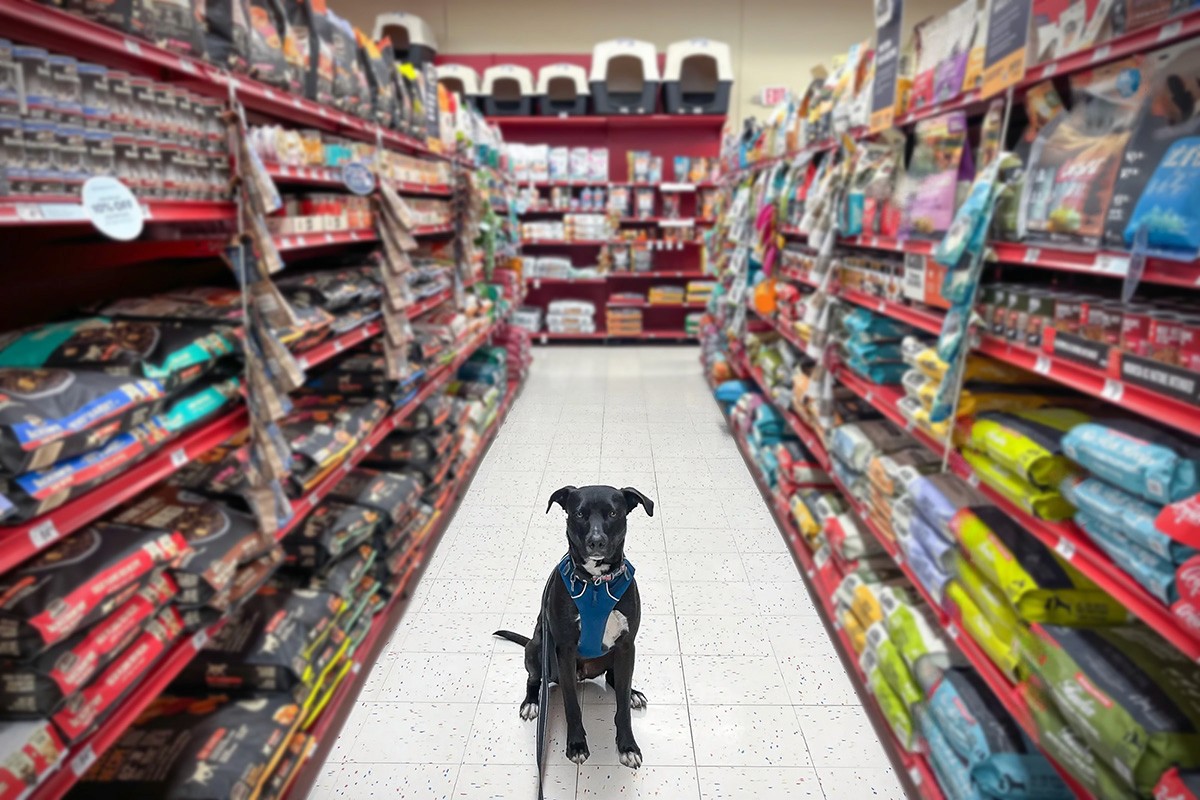
Γράψου στο Newsletter μας
Μπες στη λίστα για να μαθαίνεις νέα, ανακοινώσεις και προσφορές.

Γράψου στο Newsletter μας
Μπες στη λίστα για να μαθαίνεις νέα, ανακοινώσεις και προσφορές.
Γράψου στο Newsletter μας
Μπες στη λίστα για να μαθαίνεις νέα, ανακοινώσεις και προσφορές.
Γράψου στο Newsletter μας
Μπες στη λίστα για να μαθαίνεις νέα, ανακοινώσεις και προσφορές.