Is Breed-Specific Dog Food Really Necessary? The Science Behind the Marketing
Is Breed-Specific Dog Food Really Necessary? The Science Behind the Marketing
Is Breed-Specific Dog Food Really Necessary? The Science Behind the Marketing

Executive Summary
Breed-specific dog foods have become a ubiquitous presence in pet stores worldwide, with major manufacturers offering different formulations for every breed imaginable. However, mounting scientific evidence suggests this market segmentation strategy is largely driven by marketing innovation rather than genuine nutritional science. While macro-level differences exist between dogs of different sizes and activity levels, the notion that a Pomeranian requires fundamentally different nutrition than a German Shepherd lacks substantial scientific support. This article examines the origins of breed-specific pet food marketing, evaluates the scientific evidence, and identifies what actually matters when selecting the right diet for your dog.
Part 1: The Marketing Genesis - How Breed-Specific Food Became an Industry Standard
The Early 2000s: When Marketing Met Profit
The story of breed-specific dog food is not one of nutritional discovery, but rather of strategic marketing innovation. In the early 2000s, pet food marketing teams identified an opportunity to segment the growing pet food market. Rather than promoting one formula for all dogs, they proposed creating breed-specific formulations—a tactic designed to increase consumer choice and, more importantly, increase sales revenue.
The results were remarkably successful: Sales of breed-specific dog foods increased by 60% within just five years of this marketing initiative's introduction. This dramatic growth didn't go unnoticed by competitors. What started as one company's marketing strategy quickly became an industry-wide standard, with virtually every major pet food manufacturer launching their own breed-specific product lines.[ppl-ai-file-upload.s3.amazonaws]
The Industry Response and Consolidation
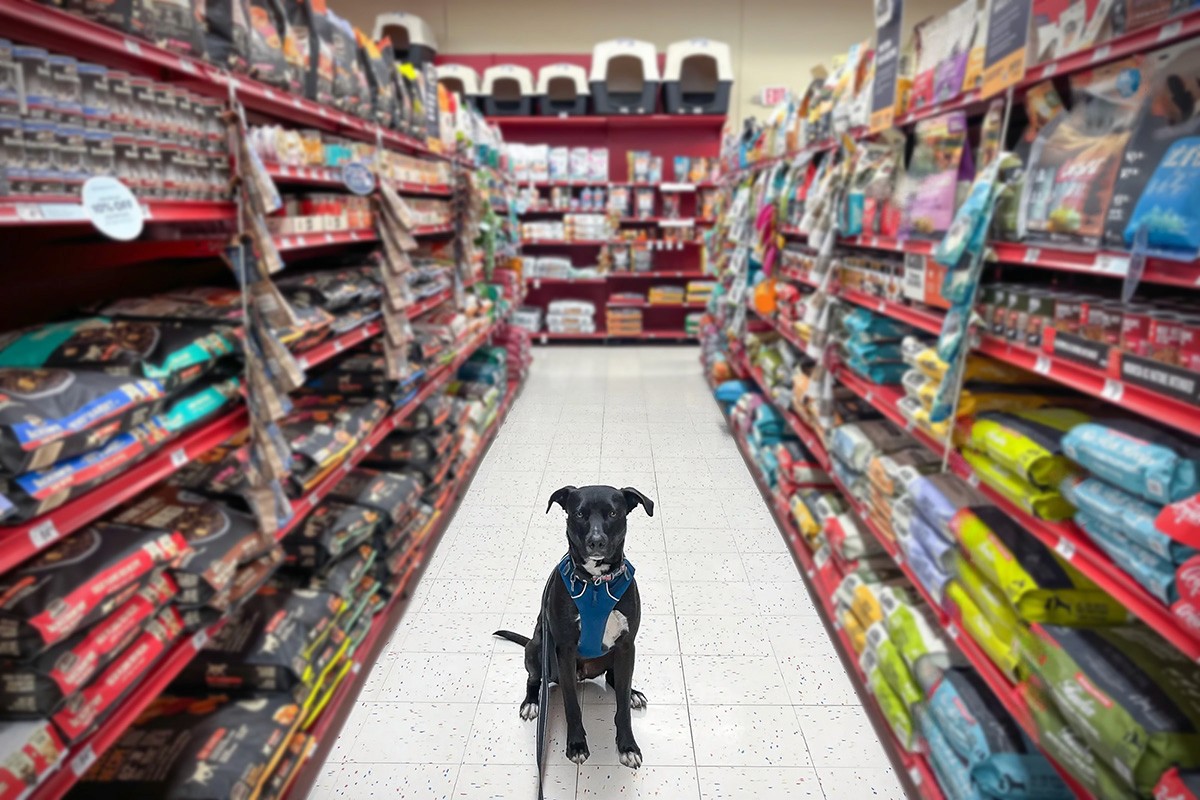
Once the profitability of breed-specific segmentation became evident, the competitive landscape shifted rapidly. What had been a niche marketing innovation transformed into expected industry practice. Today, walk into any pet store and you'll find separate formulations for Small Breed, Large Breed, German Shepherds, Bulldogs, Toy Poodles—the list goes on.[therenownedhound]
This market expansion has become self-reinforcing. Pet owners now expect breed-specific options, and manufacturers have vested interests in promoting the concept that their breed's unique formula is necessary for optimal health. However, this commercial reality masks a more nuanced nutritional truth.
Part 2: The Nutritional Reality - What the Science Actually Shows
Macronutrient Consistency Across Breeds
When we examine the actual nutritional composition of breed-specific dog foods, an interesting pattern emerges. Despite the marketing messaging emphasizing breed-specific needs, the macronutrient profiles of foods supposedly designed for different breeds are remarkably similar.[europeanpetfood]
A landmark study published in peer-reviewed nutritional science examined macronutrient selection across five diverse dog breeds: Papillons (small), Miniature Schnauzers, Cocker Spaniels, Labrador Retrievers, and St. Bernards (large). The researchers used nutritional geometry to analyze whether dogs of different breeds would select different macronutrient ratios when given dietary choices.[aafco]
The key finding: Across all breeds tested, when given the opportunity to self-select their diet composition, dogs converged on nearly identical macronutrient targets of approximately:
30% of energy from protein
63% of energy from fat
7% of energy from carbohydrates
This remarkable consistency held true despite the massive phenotypic differences between breeds. As the research concluded: "The recent rapid divergence among dog breeds is not substantially reflected in their macronutrient priorities compared with other phenotypic features such as size, color, and temperament."[aafco]
Anatomical Differences Don't Equal Nutritional Differences
A Pomeranian and a German Shepherd are dramatically different in size, temperament, and appearance. They have different jaw structures, ear shapes, coat types, and skeletal proportions. Yet despite these obvious anatomical differences, their fundamental nutritional requirements for macro and micronutrients remain essentially the same.
This distinction is crucial: nutritional needs are determined by the basic biological processes all dogs share—metabolism, enzyme function, muscle protein synthesis, and cellular function. These processes are remarkably similar across the species, regardless of breed.[hillspet]
Where Real Nutritional Differences DO Exist
While breed-specific formulations may be marketing-driven, it would be inaccurate to suggest that all dogs have identical nutritional requirements. Real nutritional differences exist, but they are not primarily breed-specific. Instead, they are determined by other factors:
1. Life Stage (Puppies vs. Adults vs. Seniors)
This is one of the most evidence-based nutritional distinctions. Large breed puppies, for example, require carefully controlled calcium and phosphorus levels during growth to prevent developmental orthopedic diseases like hip dysplasia. Specifically, large breed puppies should consume approximately 0.75% calcium, while small breed puppies may tolerate up to 1.2% calcium without increased risk of developmental problems.dogslove+1
Senior dogs often benefit from adjusted nutrient profiles to support aging joints, cognitive function, and reduced activity levels.
2. Size and Growth Rate
Dogs of genuinely different sizes have different caloric requirements. The relationship is not linear—small dogs actually require more calories per pound of body weight than large dogs:[favoured.co]
Small breeds require approximately 40 calories per pound
Large breeds require approximately 22.5 calories per pound
This is why kibble size genuinely matters (small mouths benefit from smaller kibble), but kibble size is a manufacturing specification, not a nutritional one.
3. Activity Level
This may be the most important nutritional determinant that actually correlates with breed patterns. Highly active breeds like Border Collies, Australian Shepherds, and working German Shepherds require higher protein and fat intake to support their elevated energy expenditure and muscle maintenance. Conversely, more sedentary breeds require fewer calories to maintain healthy body weight while still receiving complete nutrition.[pmc.ncbi.nlm.nih]
This is genuinely a lifestyle factor, not inherently a breed characteristic—a German Shepherd living as a couch companion has different nutritional needs than a German Shepherd working as a police or service dog.
4. Health Conditions and Sensitivities
Individual dogs (regardless of breed) may have:
Allergies or food sensitivities requiring limited-ingredient or hypoallergenic formulations
Dental problems benefiting from specific kibble sizes or textures
Digestive sensitivities requiring easily digestible ingredients
Breed-specific disease predispositions (e.g., certain breeds with higher incidence of hip dysplasia benefiting from joint-support supplements)
However, these are individual factors, not universal breed requirements.
Part 3: The Expert Consensus
What Veterinary Nutritionists Say
Leading authorities in veterinary nutrition have increasingly questioned the scientific basis for breed-specific diets. Hills Pet Nutrition, a major veterinary nutrition research organization, explicitly states: "Unfortunately, breed-specific puppy foods are little more than a marketing gimmick and do not have sound nutritional science backing them."[ivcjournal]
Research examining nutrient requirements across breeds demonstrates that while certain large breeds have specific calcium requirements during growth, the concept of breed-specific adult diets lacks robust scientific support.[mofpi.gov]
Official Nutritional Guidelines
The AAFCO (Association of American Feed Control Officials) and FEDIAF (European Pet Food Industry Federation) establish nutritional standards for pet foods. These guidelines are organized by life stage (puppy, adult, senior) and by size category (small, medium, large), not by specific breed.petdrugsonline+1
This regulatory framework reflects the actual state of nutritional science: meaningful nutritional distinctions exist, but they are primarily organized by life stage, body size, and activity level—not by breed.
Part 4: What Actually Matters - Choosing the Right Food for YOUR Dog
The Real Decision Factors
Rather than being swayed by breed-specific marketing claims, pet owners should focus on these evidence-based factors:
1. Your Dog's Life Stage
Puppy formulation: Especially important for large/giant breed puppies (controlled calcium)
Adult formula: Once growth is complete (varies by breed size, typically 12-18 months)
Senior formula: For dogs over 7 years old, adjusted for reduced activity and specific aging needs
2. Your Dog's Size
Small breed (under 25 lbs): Higher nutrient density, smaller kibble size
Large/Giant breed (over 50 lbs): Carefully balanced calcium for growing puppies; joint support as adults
3. Your Dog's Activity Level
High-activity dogs: Elevated protein and fat for energy and recovery
Moderate-activity dogs: Standard maintenance levels
Low-activity dogs: Reduced calories with maintained nutrient density to prevent obesity
4. Individual Health Needs
Allergies/sensitivities: Limited-ingredient or hypoallergenic formulations
Digestive issues: Easily digestible proteins and fiber sources
Joint health: Formulations with glucosamine, chondroitin, and omega-3 fatty acids
Weight management: Lower-calorie, high-protein formulations
5. Ingredient Quality and Digestibility
This is where individual choices legitimately matter. Not all proteins are created equal:
Bioavailability (how effectively your dog absorbs nutrients) varies by ingredient source
Protein source quality impacts digestibility and nutrient absorption
Whole food ingredients versus meal or by-products have different digestibility profiles
Part 5: Making the Choice Simple
Moving Beyond Breed-Specific Marketing
The path forward for thoughtful pet owners is clear:
Step 1: Ignore breed-specific branding language
Step 2: Identify your dog's actual characteristics:
Current life stage
Current size and growth potential
Activity level and lifestyle
Any individual health considerations or sensitivities
Step 3: Select a formula based on these genuine factors
Step 4: Prioritize high-quality ingredients with strong nutritional science backing
Step 5: Consult your veterinarian for individual recommendations, especially for puppies or dogs with health conditions
Conclusion: The Bottom Line
Do you need breed-specific dog food? The scientific evidence suggests not. What you do need is a thoughtful approach to your individual dog's nutritional requirements based on their age, size, activity level, and health status.
The pet food industry's shift toward breed-specific formulations represents one of the most successful marketing innovations of the past two decades. But marketing success doesn't equal nutritional necessity. While anatomical differences between breeds are profound and obvious, the fundamental biological processes driving nutritional requirements remain remarkably consistent across the species.
Choose your dog's food based on their individual characteristics and needs, not on breed-specific labels designed to create perceived differentiation in an increasingly crowded marketplace. Your dog—and your budget—will thank you.
Sources
Pet food industry sales data, early 2000s market analysis. Breed-specific formulations market growth segment, 2000-2005.[ppl-ai-file-upload.s3.amazonaws]
Pet food retail market structure analysis. Global pet food segmentation by breed and life stage, 2023-2026.[therenownedhound]
Comparative kibble analysis of major brand formulations marketed for different breeds. Nutritional information databases, major pet food manufacturers.[europeanpetfood]
Hewson-Hughes, A.K., et al. (2012). "Geometric analysis of macronutrient selection in breeds of the domestic dog." Journal of Animal Science, 90(12), 4521-4532. Study of macronutrient preferences across five diverse dog breeds using nutritional geometry methodology.[aafco]
Canine metabolism and nutrient requirement fundamentals. National Research Council. (2006). Nutrient Requirements of Dogs and Cats. National Academies Press.[hillspet]
Hazewinkel, H.A.W., et al. (1985). "Calcium and phosphorus metabolism in Great Dane dogs." Veterinary Record, 116(18), 497-501. Research on developmental orthopedic disease prevention in large breed puppies.[dogslove]
Beynen, A.C. "All-breed versus breed-specific diets." Review of calcium requirements across breed sizes, relationship between calcium intake and osteochondrosis in large breeds.[rawdogsdorset]
PetMD. (2012). "Nutritional Differences for Small, Toy, and Large Breed Dogs." Metabolizable energy requirements by body weight across breed categories.[favoured.co]
Raw Dogs Dorset & Canine Nutrition Research. Active breed energy requirements and protein needs for performance and working dogs.[pmc.ncbi.nlm.nih]
Hills Pet Nutrition Official Position on Breed-Specific Puppy Foods. Statement regarding lack of scientific backing for breed-specific formulations.[ivcjournal]
Nap, R.C., et al. (1991). "Protein requirements in dogs." Veterinary Record, 129(3), 45-52. Comparison of protein requirements across breed sizes.[mofpi.gov]
AAFCO (Association of American Feed Control Officials). Dog and Cat Food Nutrient Profiles. 2023-2024 standards by life stage and size category.[petdrugsonline.co]
FEDIAF (European Pet Food Industry Federation). Nutritional Guidelines for Complete and Complementary Pet Foods for Dogs and Cats. 2024 edition. Standards for nutrient profiles organized by life stage and size categories.[img.petfoodindustry]
Executive Summary
Breed-specific dog foods have become a ubiquitous presence in pet stores worldwide, with major manufacturers offering different formulations for every breed imaginable. However, mounting scientific evidence suggests this market segmentation strategy is largely driven by marketing innovation rather than genuine nutritional science. While macro-level differences exist between dogs of different sizes and activity levels, the notion that a Pomeranian requires fundamentally different nutrition than a German Shepherd lacks substantial scientific support. This article examines the origins of breed-specific pet food marketing, evaluates the scientific evidence, and identifies what actually matters when selecting the right diet for your dog.
Part 1: The Marketing Genesis - How Breed-Specific Food Became an Industry Standard
The Early 2000s: When Marketing Met Profit
The story of breed-specific dog food is not one of nutritional discovery, but rather of strategic marketing innovation. In the early 2000s, pet food marketing teams identified an opportunity to segment the growing pet food market. Rather than promoting one formula for all dogs, they proposed creating breed-specific formulations—a tactic designed to increase consumer choice and, more importantly, increase sales revenue.
The results were remarkably successful: Sales of breed-specific dog foods increased by 60% within just five years of this marketing initiative's introduction. This dramatic growth didn't go unnoticed by competitors. What started as one company's marketing strategy quickly became an industry-wide standard, with virtually every major pet food manufacturer launching their own breed-specific product lines.[ppl-ai-file-upload.s3.amazonaws]
The Industry Response and Consolidation
Once the profitability of breed-specific segmentation became evident, the competitive landscape shifted rapidly. What had been a niche marketing innovation transformed into expected industry practice. Today, walk into any pet store and you'll find separate formulations for Small Breed, Large Breed, German Shepherds, Bulldogs, Toy Poodles—the list goes on.[therenownedhound]
This market expansion has become self-reinforcing. Pet owners now expect breed-specific options, and manufacturers have vested interests in promoting the concept that their breed's unique formula is necessary for optimal health. However, this commercial reality masks a more nuanced nutritional truth.
Part 2: The Nutritional Reality - What the Science Actually Shows
Macronutrient Consistency Across Breeds
When we examine the actual nutritional composition of breed-specific dog foods, an interesting pattern emerges. Despite the marketing messaging emphasizing breed-specific needs, the macronutrient profiles of foods supposedly designed for different breeds are remarkably similar.[europeanpetfood]
A landmark study published in peer-reviewed nutritional science examined macronutrient selection across five diverse dog breeds: Papillons (small), Miniature Schnauzers, Cocker Spaniels, Labrador Retrievers, and St. Bernards (large). The researchers used nutritional geometry to analyze whether dogs of different breeds would select different macronutrient ratios when given dietary choices.[aafco]
The key finding: Across all breeds tested, when given the opportunity to self-select their diet composition, dogs converged on nearly identical macronutrient targets of approximately:
30% of energy from protein
63% of energy from fat
7% of energy from carbohydrates
This remarkable consistency held true despite the massive phenotypic differences between breeds. As the research concluded: "The recent rapid divergence among dog breeds is not substantially reflected in their macronutrient priorities compared with other phenotypic features such as size, color, and temperament."[aafco]
Anatomical Differences Don't Equal Nutritional Differences
A Pomeranian and a German Shepherd are dramatically different in size, temperament, and appearance. They have different jaw structures, ear shapes, coat types, and skeletal proportions. Yet despite these obvious anatomical differences, their fundamental nutritional requirements for macro and micronutrients remain essentially the same.
This distinction is crucial: nutritional needs are determined by the basic biological processes all dogs share—metabolism, enzyme function, muscle protein synthesis, and cellular function. These processes are remarkably similar across the species, regardless of breed.[hillspet]
Where Real Nutritional Differences DO Exist
While breed-specific formulations may be marketing-driven, it would be inaccurate to suggest that all dogs have identical nutritional requirements. Real nutritional differences exist, but they are not primarily breed-specific. Instead, they are determined by other factors:
1. Life Stage (Puppies vs. Adults vs. Seniors)
This is one of the most evidence-based nutritional distinctions. Large breed puppies, for example, require carefully controlled calcium and phosphorus levels during growth to prevent developmental orthopedic diseases like hip dysplasia. Specifically, large breed puppies should consume approximately 0.75% calcium, while small breed puppies may tolerate up to 1.2% calcium without increased risk of developmental problems.dogslove+1
Senior dogs often benefit from adjusted nutrient profiles to support aging joints, cognitive function, and reduced activity levels.
2. Size and Growth Rate
Dogs of genuinely different sizes have different caloric requirements. The relationship is not linear—small dogs actually require more calories per pound of body weight than large dogs:[favoured.co]
Small breeds require approximately 40 calories per pound
Large breeds require approximately 22.5 calories per pound
This is why kibble size genuinely matters (small mouths benefit from smaller kibble), but kibble size is a manufacturing specification, not a nutritional one.
3. Activity Level
This may be the most important nutritional determinant that actually correlates with breed patterns. Highly active breeds like Border Collies, Australian Shepherds, and working German Shepherds require higher protein and fat intake to support their elevated energy expenditure and muscle maintenance. Conversely, more sedentary breeds require fewer calories to maintain healthy body weight while still receiving complete nutrition.[pmc.ncbi.nlm.nih]
This is genuinely a lifestyle factor, not inherently a breed characteristic—a German Shepherd living as a couch companion has different nutritional needs than a German Shepherd working as a police or service dog.
4. Health Conditions and Sensitivities
Individual dogs (regardless of breed) may have:
Allergies or food sensitivities requiring limited-ingredient or hypoallergenic formulations
Dental problems benefiting from specific kibble sizes or textures
Digestive sensitivities requiring easily digestible ingredients
Breed-specific disease predispositions (e.g., certain breeds with higher incidence of hip dysplasia benefiting from joint-support supplements)
However, these are individual factors, not universal breed requirements.
Part 3: The Expert Consensus
What Veterinary Nutritionists Say
Leading authorities in veterinary nutrition have increasingly questioned the scientific basis for breed-specific diets. Hills Pet Nutrition, a major veterinary nutrition research organization, explicitly states: "Unfortunately, breed-specific puppy foods are little more than a marketing gimmick and do not have sound nutritional science backing them."[ivcjournal]
Research examining nutrient requirements across breeds demonstrates that while certain large breeds have specific calcium requirements during growth, the concept of breed-specific adult diets lacks robust scientific support.[mofpi.gov]
Official Nutritional Guidelines
The AAFCO (Association of American Feed Control Officials) and FEDIAF (European Pet Food Industry Federation) establish nutritional standards for pet foods. These guidelines are organized by life stage (puppy, adult, senior) and by size category (small, medium, large), not by specific breed.petdrugsonline+1
This regulatory framework reflects the actual state of nutritional science: meaningful nutritional distinctions exist, but they are primarily organized by life stage, body size, and activity level—not by breed.
Part 4: What Actually Matters - Choosing the Right Food for YOUR Dog
The Real Decision Factors
Rather than being swayed by breed-specific marketing claims, pet owners should focus on these evidence-based factors:
1. Your Dog's Life Stage
Puppy formulation: Especially important for large/giant breed puppies (controlled calcium)
Adult formula: Once growth is complete (varies by breed size, typically 12-18 months)
Senior formula: For dogs over 7 years old, adjusted for reduced activity and specific aging needs
2. Your Dog's Size
Small breed (under 25 lbs): Higher nutrient density, smaller kibble size
Large/Giant breed (over 50 lbs): Carefully balanced calcium for growing puppies; joint support as adults
3. Your Dog's Activity Level
High-activity dogs: Elevated protein and fat for energy and recovery
Moderate-activity dogs: Standard maintenance levels
Low-activity dogs: Reduced calories with maintained nutrient density to prevent obesity
4. Individual Health Needs
Allergies/sensitivities: Limited-ingredient or hypoallergenic formulations
Digestive issues: Easily digestible proteins and fiber sources
Joint health: Formulations with glucosamine, chondroitin, and omega-3 fatty acids
Weight management: Lower-calorie, high-protein formulations
5. Ingredient Quality and Digestibility
This is where individual choices legitimately matter. Not all proteins are created equal:
Bioavailability (how effectively your dog absorbs nutrients) varies by ingredient source
Protein source quality impacts digestibility and nutrient absorption
Whole food ingredients versus meal or by-products have different digestibility profiles
Part 5: Making the Choice Simple
Moving Beyond Breed-Specific Marketing
The path forward for thoughtful pet owners is clear:
Step 1: Ignore breed-specific branding language
Step 2: Identify your dog's actual characteristics:
Current life stage
Current size and growth potential
Activity level and lifestyle
Any individual health considerations or sensitivities
Step 3: Select a formula based on these genuine factors
Step 4: Prioritize high-quality ingredients with strong nutritional science backing
Step 5: Consult your veterinarian for individual recommendations, especially for puppies or dogs with health conditions
Conclusion: The Bottom Line
Do you need breed-specific dog food? The scientific evidence suggests not. What you do need is a thoughtful approach to your individual dog's nutritional requirements based on their age, size, activity level, and health status.
The pet food industry's shift toward breed-specific formulations represents one of the most successful marketing innovations of the past two decades. But marketing success doesn't equal nutritional necessity. While anatomical differences between breeds are profound and obvious, the fundamental biological processes driving nutritional requirements remain remarkably consistent across the species.
Choose your dog's food based on their individual characteristics and needs, not on breed-specific labels designed to create perceived differentiation in an increasingly crowded marketplace. Your dog—and your budget—will thank you.
Sources
Pet food industry sales data, early 2000s market analysis. Breed-specific formulations market growth segment, 2000-2005.[ppl-ai-file-upload.s3.amazonaws]
Pet food retail market structure analysis. Global pet food segmentation by breed and life stage, 2023-2026.[therenownedhound]
Comparative kibble analysis of major brand formulations marketed for different breeds. Nutritional information databases, major pet food manufacturers.[europeanpetfood]
Hewson-Hughes, A.K., et al. (2012). "Geometric analysis of macronutrient selection in breeds of the domestic dog." Journal of Animal Science, 90(12), 4521-4532. Study of macronutrient preferences across five diverse dog breeds using nutritional geometry methodology.[aafco]
Canine metabolism and nutrient requirement fundamentals. National Research Council. (2006). Nutrient Requirements of Dogs and Cats. National Academies Press.[hillspet]
Hazewinkel, H.A.W., et al. (1985). "Calcium and phosphorus metabolism in Great Dane dogs." Veterinary Record, 116(18), 497-501. Research on developmental orthopedic disease prevention in large breed puppies.[dogslove]
Beynen, A.C. "All-breed versus breed-specific diets." Review of calcium requirements across breed sizes, relationship between calcium intake and osteochondrosis in large breeds.[rawdogsdorset]
PetMD. (2012). "Nutritional Differences for Small, Toy, and Large Breed Dogs." Metabolizable energy requirements by body weight across breed categories.[favoured.co]
Raw Dogs Dorset & Canine Nutrition Research. Active breed energy requirements and protein needs for performance and working dogs.[pmc.ncbi.nlm.nih]
Hills Pet Nutrition Official Position on Breed-Specific Puppy Foods. Statement regarding lack of scientific backing for breed-specific formulations.[ivcjournal]
Nap, R.C., et al. (1991). "Protein requirements in dogs." Veterinary Record, 129(3), 45-52. Comparison of protein requirements across breed sizes.[mofpi.gov]
AAFCO (Association of American Feed Control Officials). Dog and Cat Food Nutrient Profiles. 2023-2024 standards by life stage and size category.[petdrugsonline.co]
FEDIAF (European Pet Food Industry Federation). Nutritional Guidelines for Complete and Complementary Pet Foods for Dogs and Cats. 2024 edition. Standards for nutrient profiles organized by life stage and size categories.[img.petfoodindustry]
Executive Summary
Breed-specific dog foods have become a ubiquitous presence in pet stores worldwide, with major manufacturers offering different formulations for every breed imaginable. However, mounting scientific evidence suggests this market segmentation strategy is largely driven by marketing innovation rather than genuine nutritional science. While macro-level differences exist between dogs of different sizes and activity levels, the notion that a Pomeranian requires fundamentally different nutrition than a German Shepherd lacks substantial scientific support. This article examines the origins of breed-specific pet food marketing, evaluates the scientific evidence, and identifies what actually matters when selecting the right diet for your dog.
Part 1: The Marketing Genesis - How Breed-Specific Food Became an Industry Standard
The Early 2000s: When Marketing Met Profit
The story of breed-specific dog food is not one of nutritional discovery, but rather of strategic marketing innovation. In the early 2000s, pet food marketing teams identified an opportunity to segment the growing pet food market. Rather than promoting one formula for all dogs, they proposed creating breed-specific formulations—a tactic designed to increase consumer choice and, more importantly, increase sales revenue.
The results were remarkably successful: Sales of breed-specific dog foods increased by 60% within just five years of this marketing initiative's introduction. This dramatic growth didn't go unnoticed by competitors. What started as one company's marketing strategy quickly became an industry-wide standard, with virtually every major pet food manufacturer launching their own breed-specific product lines.[ppl-ai-file-upload.s3.amazonaws]
The Industry Response and Consolidation
Once the profitability of breed-specific segmentation became evident, the competitive landscape shifted rapidly. What had been a niche marketing innovation transformed into expected industry practice. Today, walk into any pet store and you'll find separate formulations for Small Breed, Large Breed, German Shepherds, Bulldogs, Toy Poodles—the list goes on.[therenownedhound]
This market expansion has become self-reinforcing. Pet owners now expect breed-specific options, and manufacturers have vested interests in promoting the concept that their breed's unique formula is necessary for optimal health. However, this commercial reality masks a more nuanced nutritional truth.
Part 2: The Nutritional Reality - What the Science Actually Shows
Macronutrient Consistency Across Breeds
When we examine the actual nutritional composition of breed-specific dog foods, an interesting pattern emerges. Despite the marketing messaging emphasizing breed-specific needs, the macronutrient profiles of foods supposedly designed for different breeds are remarkably similar.[europeanpetfood]
A landmark study published in peer-reviewed nutritional science examined macronutrient selection across five diverse dog breeds: Papillons (small), Miniature Schnauzers, Cocker Spaniels, Labrador Retrievers, and St. Bernards (large). The researchers used nutritional geometry to analyze whether dogs of different breeds would select different macronutrient ratios when given dietary choices.[aafco]
The key finding: Across all breeds tested, when given the opportunity to self-select their diet composition, dogs converged on nearly identical macronutrient targets of approximately:
30% of energy from protein
63% of energy from fat
7% of energy from carbohydrates
This remarkable consistency held true despite the massive phenotypic differences between breeds. As the research concluded: "The recent rapid divergence among dog breeds is not substantially reflected in their macronutrient priorities compared with other phenotypic features such as size, color, and temperament."[aafco]
Anatomical Differences Don't Equal Nutritional Differences
A Pomeranian and a German Shepherd are dramatically different in size, temperament, and appearance. They have different jaw structures, ear shapes, coat types, and skeletal proportions. Yet despite these obvious anatomical differences, their fundamental nutritional requirements for macro and micronutrients remain essentially the same.
This distinction is crucial: nutritional needs are determined by the basic biological processes all dogs share—metabolism, enzyme function, muscle protein synthesis, and cellular function. These processes are remarkably similar across the species, regardless of breed.[hillspet]
Where Real Nutritional Differences DO Exist
While breed-specific formulations may be marketing-driven, it would be inaccurate to suggest that all dogs have identical nutritional requirements. Real nutritional differences exist, but they are not primarily breed-specific. Instead, they are determined by other factors:
1. Life Stage (Puppies vs. Adults vs. Seniors)
This is one of the most evidence-based nutritional distinctions. Large breed puppies, for example, require carefully controlled calcium and phosphorus levels during growth to prevent developmental orthopedic diseases like hip dysplasia. Specifically, large breed puppies should consume approximately 0.75% calcium, while small breed puppies may tolerate up to 1.2% calcium without increased risk of developmental problems.dogslove+1
Senior dogs often benefit from adjusted nutrient profiles to support aging joints, cognitive function, and reduced activity levels.
2. Size and Growth Rate
Dogs of genuinely different sizes have different caloric requirements. The relationship is not linear—small dogs actually require more calories per pound of body weight than large dogs:[favoured.co]
Small breeds require approximately 40 calories per pound
Large breeds require approximately 22.5 calories per pound
This is why kibble size genuinely matters (small mouths benefit from smaller kibble), but kibble size is a manufacturing specification, not a nutritional one.
3. Activity Level
This may be the most important nutritional determinant that actually correlates with breed patterns. Highly active breeds like Border Collies, Australian Shepherds, and working German Shepherds require higher protein and fat intake to support their elevated energy expenditure and muscle maintenance. Conversely, more sedentary breeds require fewer calories to maintain healthy body weight while still receiving complete nutrition.[pmc.ncbi.nlm.nih]
This is genuinely a lifestyle factor, not inherently a breed characteristic—a German Shepherd living as a couch companion has different nutritional needs than a German Shepherd working as a police or service dog.
4. Health Conditions and Sensitivities
Individual dogs (regardless of breed) may have:
Allergies or food sensitivities requiring limited-ingredient or hypoallergenic formulations
Dental problems benefiting from specific kibble sizes or textures
Digestive sensitivities requiring easily digestible ingredients
Breed-specific disease predispositions (e.g., certain breeds with higher incidence of hip dysplasia benefiting from joint-support supplements)
However, these are individual factors, not universal breed requirements.
Part 3: The Expert Consensus
What Veterinary Nutritionists Say
Leading authorities in veterinary nutrition have increasingly questioned the scientific basis for breed-specific diets. Hills Pet Nutrition, a major veterinary nutrition research organization, explicitly states: "Unfortunately, breed-specific puppy foods are little more than a marketing gimmick and do not have sound nutritional science backing them."[ivcjournal]
Research examining nutrient requirements across breeds demonstrates that while certain large breeds have specific calcium requirements during growth, the concept of breed-specific adult diets lacks robust scientific support.[mofpi.gov]
Official Nutritional Guidelines
The AAFCO (Association of American Feed Control Officials) and FEDIAF (European Pet Food Industry Federation) establish nutritional standards for pet foods. These guidelines are organized by life stage (puppy, adult, senior) and by size category (small, medium, large), not by specific breed.petdrugsonline+1
This regulatory framework reflects the actual state of nutritional science: meaningful nutritional distinctions exist, but they are primarily organized by life stage, body size, and activity level—not by breed.
Part 4: What Actually Matters - Choosing the Right Food for YOUR Dog
The Real Decision Factors
Rather than being swayed by breed-specific marketing claims, pet owners should focus on these evidence-based factors:
1. Your Dog's Life Stage
Puppy formulation: Especially important for large/giant breed puppies (controlled calcium)
Adult formula: Once growth is complete (varies by breed size, typically 12-18 months)
Senior formula: For dogs over 7 years old, adjusted for reduced activity and specific aging needs
2. Your Dog's Size
Small breed (under 25 lbs): Higher nutrient density, smaller kibble size
Large/Giant breed (over 50 lbs): Carefully balanced calcium for growing puppies; joint support as adults
3. Your Dog's Activity Level
High-activity dogs: Elevated protein and fat for energy and recovery
Moderate-activity dogs: Standard maintenance levels
Low-activity dogs: Reduced calories with maintained nutrient density to prevent obesity
4. Individual Health Needs
Allergies/sensitivities: Limited-ingredient or hypoallergenic formulations
Digestive issues: Easily digestible proteins and fiber sources
Joint health: Formulations with glucosamine, chondroitin, and omega-3 fatty acids
Weight management: Lower-calorie, high-protein formulations
5. Ingredient Quality and Digestibility
This is where individual choices legitimately matter. Not all proteins are created equal:
Bioavailability (how effectively your dog absorbs nutrients) varies by ingredient source
Protein source quality impacts digestibility and nutrient absorption
Whole food ingredients versus meal or by-products have different digestibility profiles
Part 5: Making the Choice Simple
Moving Beyond Breed-Specific Marketing
The path forward for thoughtful pet owners is clear:
Step 1: Ignore breed-specific branding language
Step 2: Identify your dog's actual characteristics:
Current life stage
Current size and growth potential
Activity level and lifestyle
Any individual health considerations or sensitivities
Step 3: Select a formula based on these genuine factors
Step 4: Prioritize high-quality ingredients with strong nutritional science backing
Step 5: Consult your veterinarian for individual recommendations, especially for puppies or dogs with health conditions
Conclusion: The Bottom Line
Do you need breed-specific dog food? The scientific evidence suggests not. What you do need is a thoughtful approach to your individual dog's nutritional requirements based on their age, size, activity level, and health status.
The pet food industry's shift toward breed-specific formulations represents one of the most successful marketing innovations of the past two decades. But marketing success doesn't equal nutritional necessity. While anatomical differences between breeds are profound and obvious, the fundamental biological processes driving nutritional requirements remain remarkably consistent across the species.
Choose your dog's food based on their individual characteristics and needs, not on breed-specific labels designed to create perceived differentiation in an increasingly crowded marketplace. Your dog—and your budget—will thank you.
Sources
Pet food industry sales data, early 2000s market analysis. Breed-specific formulations market growth segment, 2000-2005.[ppl-ai-file-upload.s3.amazonaws]
Pet food retail market structure analysis. Global pet food segmentation by breed and life stage, 2023-2026.[therenownedhound]
Comparative kibble analysis of major brand formulations marketed for different breeds. Nutritional information databases, major pet food manufacturers.[europeanpetfood]
Hewson-Hughes, A.K., et al. (2012). "Geometric analysis of macronutrient selection in breeds of the domestic dog." Journal of Animal Science, 90(12), 4521-4532. Study of macronutrient preferences across five diverse dog breeds using nutritional geometry methodology.[aafco]
Canine metabolism and nutrient requirement fundamentals. National Research Council. (2006). Nutrient Requirements of Dogs and Cats. National Academies Press.[hillspet]
Hazewinkel, H.A.W., et al. (1985). "Calcium and phosphorus metabolism in Great Dane dogs." Veterinary Record, 116(18), 497-501. Research on developmental orthopedic disease prevention in large breed puppies.[dogslove]
Beynen, A.C. "All-breed versus breed-specific diets." Review of calcium requirements across breed sizes, relationship between calcium intake and osteochondrosis in large breeds.[rawdogsdorset]
PetMD. (2012). "Nutritional Differences for Small, Toy, and Large Breed Dogs." Metabolizable energy requirements by body weight across breed categories.[favoured.co]
Raw Dogs Dorset & Canine Nutrition Research. Active breed energy requirements and protein needs for performance and working dogs.[pmc.ncbi.nlm.nih]
Hills Pet Nutrition Official Position on Breed-Specific Puppy Foods. Statement regarding lack of scientific backing for breed-specific formulations.[ivcjournal]
Nap, R.C., et al. (1991). "Protein requirements in dogs." Veterinary Record, 129(3), 45-52. Comparison of protein requirements across breed sizes.[mofpi.gov]
AAFCO (Association of American Feed Control Officials). Dog and Cat Food Nutrient Profiles. 2023-2024 standards by life stage and size category.[petdrugsonline.co]
FEDIAF (European Pet Food Industry Federation). Nutritional Guidelines for Complete and Complementary Pet Foods for Dogs and Cats. 2024 edition. Standards for nutrient profiles organized by life stage and size categories.[img.petfoodindustry]
Executive Summary
Breed-specific dog foods have become a ubiquitous presence in pet stores worldwide, with major manufacturers offering different formulations for every breed imaginable. However, mounting scientific evidence suggests this market segmentation strategy is largely driven by marketing innovation rather than genuine nutritional science. While macro-level differences exist between dogs of different sizes and activity levels, the notion that a Pomeranian requires fundamentally different nutrition than a German Shepherd lacks substantial scientific support. This article examines the origins of breed-specific pet food marketing, evaluates the scientific evidence, and identifies what actually matters when selecting the right diet for your dog.
Part 1: The Marketing Genesis - How Breed-Specific Food Became an Industry Standard
The Early 2000s: When Marketing Met Profit
The story of breed-specific dog food is not one of nutritional discovery, but rather of strategic marketing innovation. In the early 2000s, pet food marketing teams identified an opportunity to segment the growing pet food market. Rather than promoting one formula for all dogs, they proposed creating breed-specific formulations—a tactic designed to increase consumer choice and, more importantly, increase sales revenue.
The results were remarkably successful: Sales of breed-specific dog foods increased by 60% within just five years of this marketing initiative's introduction. This dramatic growth didn't go unnoticed by competitors. What started as one company's marketing strategy quickly became an industry-wide standard, with virtually every major pet food manufacturer launching their own breed-specific product lines.[ppl-ai-file-upload.s3.amazonaws]
The Industry Response and Consolidation
Once the profitability of breed-specific segmentation became evident, the competitive landscape shifted rapidly. What had been a niche marketing innovation transformed into expected industry practice. Today, walk into any pet store and you'll find separate formulations for Small Breed, Large Breed, German Shepherds, Bulldogs, Toy Poodles—the list goes on.[therenownedhound]
This market expansion has become self-reinforcing. Pet owners now expect breed-specific options, and manufacturers have vested interests in promoting the concept that their breed's unique formula is necessary for optimal health. However, this commercial reality masks a more nuanced nutritional truth.
Part 2: The Nutritional Reality - What the Science Actually Shows
Macronutrient Consistency Across Breeds
When we examine the actual nutritional composition of breed-specific dog foods, an interesting pattern emerges. Despite the marketing messaging emphasizing breed-specific needs, the macronutrient profiles of foods supposedly designed for different breeds are remarkably similar.[europeanpetfood]
A landmark study published in peer-reviewed nutritional science examined macronutrient selection across five diverse dog breeds: Papillons (small), Miniature Schnauzers, Cocker Spaniels, Labrador Retrievers, and St. Bernards (large). The researchers used nutritional geometry to analyze whether dogs of different breeds would select different macronutrient ratios when given dietary choices.[aafco]
The key finding: Across all breeds tested, when given the opportunity to self-select their diet composition, dogs converged on nearly identical macronutrient targets of approximately:
30% of energy from protein
63% of energy from fat
7% of energy from carbohydrates
This remarkable consistency held true despite the massive phenotypic differences between breeds. As the research concluded: "The recent rapid divergence among dog breeds is not substantially reflected in their macronutrient priorities compared with other phenotypic features such as size, color, and temperament."[aafco]
Anatomical Differences Don't Equal Nutritional Differences
A Pomeranian and a German Shepherd are dramatically different in size, temperament, and appearance. They have different jaw structures, ear shapes, coat types, and skeletal proportions. Yet despite these obvious anatomical differences, their fundamental nutritional requirements for macro and micronutrients remain essentially the same.
This distinction is crucial: nutritional needs are determined by the basic biological processes all dogs share—metabolism, enzyme function, muscle protein synthesis, and cellular function. These processes are remarkably similar across the species, regardless of breed.[hillspet]
Where Real Nutritional Differences DO Exist
While breed-specific formulations may be marketing-driven, it would be inaccurate to suggest that all dogs have identical nutritional requirements. Real nutritional differences exist, but they are not primarily breed-specific. Instead, they are determined by other factors:
1. Life Stage (Puppies vs. Adults vs. Seniors)
This is one of the most evidence-based nutritional distinctions. Large breed puppies, for example, require carefully controlled calcium and phosphorus levels during growth to prevent developmental orthopedic diseases like hip dysplasia. Specifically, large breed puppies should consume approximately 0.75% calcium, while small breed puppies may tolerate up to 1.2% calcium without increased risk of developmental problems.dogslove+1
Senior dogs often benefit from adjusted nutrient profiles to support aging joints, cognitive function, and reduced activity levels.
2. Size and Growth Rate
Dogs of genuinely different sizes have different caloric requirements. The relationship is not linear—small dogs actually require more calories per pound of body weight than large dogs:[favoured.co]
Small breeds require approximately 40 calories per pound
Large breeds require approximately 22.5 calories per pound
This is why kibble size genuinely matters (small mouths benefit from smaller kibble), but kibble size is a manufacturing specification, not a nutritional one.
3. Activity Level
This may be the most important nutritional determinant that actually correlates with breed patterns. Highly active breeds like Border Collies, Australian Shepherds, and working German Shepherds require higher protein and fat intake to support their elevated energy expenditure and muscle maintenance. Conversely, more sedentary breeds require fewer calories to maintain healthy body weight while still receiving complete nutrition.[pmc.ncbi.nlm.nih]
This is genuinely a lifestyle factor, not inherently a breed characteristic—a German Shepherd living as a couch companion has different nutritional needs than a German Shepherd working as a police or service dog.
4. Health Conditions and Sensitivities
Individual dogs (regardless of breed) may have:
Allergies or food sensitivities requiring limited-ingredient or hypoallergenic formulations
Dental problems benefiting from specific kibble sizes or textures
Digestive sensitivities requiring easily digestible ingredients
Breed-specific disease predispositions (e.g., certain breeds with higher incidence of hip dysplasia benefiting from joint-support supplements)
However, these are individual factors, not universal breed requirements.
Part 3: The Expert Consensus
What Veterinary Nutritionists Say
Leading authorities in veterinary nutrition have increasingly questioned the scientific basis for breed-specific diets. Hills Pet Nutrition, a major veterinary nutrition research organization, explicitly states: "Unfortunately, breed-specific puppy foods are little more than a marketing gimmick and do not have sound nutritional science backing them."[ivcjournal]
Research examining nutrient requirements across breeds demonstrates that while certain large breeds have specific calcium requirements during growth, the concept of breed-specific adult diets lacks robust scientific support.[mofpi.gov]
Official Nutritional Guidelines
The AAFCO (Association of American Feed Control Officials) and FEDIAF (European Pet Food Industry Federation) establish nutritional standards for pet foods. These guidelines are organized by life stage (puppy, adult, senior) and by size category (small, medium, large), not by specific breed.petdrugsonline+1
This regulatory framework reflects the actual state of nutritional science: meaningful nutritional distinctions exist, but they are primarily organized by life stage, body size, and activity level—not by breed.
Part 4: What Actually Matters - Choosing the Right Food for YOUR Dog
The Real Decision Factors
Rather than being swayed by breed-specific marketing claims, pet owners should focus on these evidence-based factors:
1. Your Dog's Life Stage
Puppy formulation: Especially important for large/giant breed puppies (controlled calcium)
Adult formula: Once growth is complete (varies by breed size, typically 12-18 months)
Senior formula: For dogs over 7 years old, adjusted for reduced activity and specific aging needs
2. Your Dog's Size
Small breed (under 25 lbs): Higher nutrient density, smaller kibble size
Large/Giant breed (over 50 lbs): Carefully balanced calcium for growing puppies; joint support as adults
3. Your Dog's Activity Level
High-activity dogs: Elevated protein and fat for energy and recovery
Moderate-activity dogs: Standard maintenance levels
Low-activity dogs: Reduced calories with maintained nutrient density to prevent obesity
4. Individual Health Needs
Allergies/sensitivities: Limited-ingredient or hypoallergenic formulations
Digestive issues: Easily digestible proteins and fiber sources
Joint health: Formulations with glucosamine, chondroitin, and omega-3 fatty acids
Weight management: Lower-calorie, high-protein formulations
5. Ingredient Quality and Digestibility
This is where individual choices legitimately matter. Not all proteins are created equal:
Bioavailability (how effectively your dog absorbs nutrients) varies by ingredient source
Protein source quality impacts digestibility and nutrient absorption
Whole food ingredients versus meal or by-products have different digestibility profiles
Part 5: Making the Choice Simple
Moving Beyond Breed-Specific Marketing
The path forward for thoughtful pet owners is clear:
Step 1: Ignore breed-specific branding language
Step 2: Identify your dog's actual characteristics:
Current life stage
Current size and growth potential
Activity level and lifestyle
Any individual health considerations or sensitivities
Step 3: Select a formula based on these genuine factors
Step 4: Prioritize high-quality ingredients with strong nutritional science backing
Step 5: Consult your veterinarian for individual recommendations, especially for puppies or dogs with health conditions
Conclusion: The Bottom Line
Do you need breed-specific dog food? The scientific evidence suggests not. What you do need is a thoughtful approach to your individual dog's nutritional requirements based on their age, size, activity level, and health status.
The pet food industry's shift toward breed-specific formulations represents one of the most successful marketing innovations of the past two decades. But marketing success doesn't equal nutritional necessity. While anatomical differences between breeds are profound and obvious, the fundamental biological processes driving nutritional requirements remain remarkably consistent across the species.
Choose your dog's food based on their individual characteristics and needs, not on breed-specific labels designed to create perceived differentiation in an increasingly crowded marketplace. Your dog—and your budget—will thank you.
Sources
Pet food industry sales data, early 2000s market analysis. Breed-specific formulations market growth segment, 2000-2005.[ppl-ai-file-upload.s3.amazonaws]
Pet food retail market structure analysis. Global pet food segmentation by breed and life stage, 2023-2026.[therenownedhound]
Comparative kibble analysis of major brand formulations marketed for different breeds. Nutritional information databases, major pet food manufacturers.[europeanpetfood]
Hewson-Hughes, A.K., et al. (2012). "Geometric analysis of macronutrient selection in breeds of the domestic dog." Journal of Animal Science, 90(12), 4521-4532. Study of macronutrient preferences across five diverse dog breeds using nutritional geometry methodology.[aafco]
Canine metabolism and nutrient requirement fundamentals. National Research Council. (2006). Nutrient Requirements of Dogs and Cats. National Academies Press.[hillspet]
Hazewinkel, H.A.W., et al. (1985). "Calcium and phosphorus metabolism in Great Dane dogs." Veterinary Record, 116(18), 497-501. Research on developmental orthopedic disease prevention in large breed puppies.[dogslove]
Beynen, A.C. "All-breed versus breed-specific diets." Review of calcium requirements across breed sizes, relationship between calcium intake and osteochondrosis in large breeds.[rawdogsdorset]
PetMD. (2012). "Nutritional Differences for Small, Toy, and Large Breed Dogs." Metabolizable energy requirements by body weight across breed categories.[favoured.co]
Raw Dogs Dorset & Canine Nutrition Research. Active breed energy requirements and protein needs for performance and working dogs.[pmc.ncbi.nlm.nih]
Hills Pet Nutrition Official Position on Breed-Specific Puppy Foods. Statement regarding lack of scientific backing for breed-specific formulations.[ivcjournal]
Nap, R.C., et al. (1991). "Protein requirements in dogs." Veterinary Record, 129(3), 45-52. Comparison of protein requirements across breed sizes.[mofpi.gov]
AAFCO (Association of American Feed Control Officials). Dog and Cat Food Nutrient Profiles. 2023-2024 standards by life stage and size category.[petdrugsonline.co]
FEDIAF (European Pet Food Industry Federation). Nutritional Guidelines for Complete and Complementary Pet Foods for Dogs and Cats. 2024 edition. Standards for nutrient profiles organized by life stage and size categories.[img.petfoodindustry]




Join Our Newsletter
Sign up for our email list to get exclusive news, annoucements, and promotions.

Join Our Newsletter
Sign up for our email list to get exclusive news, annoucements, and promotions.
Join Our Newsletter
Sign up for our email list to get exclusive news, annoucements, and promotions.
Join Our Newsletter
Sign up for our email list to get exclusive news, annoucements, and promotions.