How to Read Pet Food Labels Like an Industry Insider: The First Five Ingredients Rule
How to Read Pet Food Labels Like an Industry Insider: The First Five Ingredients Rule
How to Read Pet Food Labels Like an Industry Insider: The First Five Ingredients Rule

Summary
Pet food labels contain 30–40 ingredients, yet the first five typically represent 90–95% of what dogs actually consume. Industry professionals evaluate recipes in seconds by focusing on these critical ingredients and applying three principles: prioritize clearly named animal proteins ("fresh chicken," "turkey," "salmon") over vague terms ("meat derivatives," "animal by‑products"), reject grain‑dominated top lines that signal carbohydrate‑based formulas masquerading as premium products, and verify that total animal ingredients exceed approximately 50% of the recipe. Scientific research confirms that processing methods matter as much as ingredients—high‑heat extrusion (125–150°C) destroys up to 70% of B vitamins and damages essential amino acids, while low‑temperature processing (below 60°C) preserves nutrient bioavailability and improves digestibility. This article provides a 10‑second label evaluation framework backed by peer‑reviewed nutrition research, enabling owners to distinguish genuinely high‑quality foods from marketing‑driven products regardless of price point.
The Pet Food Label Problem: Designed for Confusion
Most commercial pet foods list 30–40 separate ingredients on their labels, creating a wall of technical terms that makes it nearly impossible for ordinary dog owners to understand what they are actually buying[1]. This complexity is not accidental. Lengthy ingredient lists allow manufacturers to include substantial amounts of inexpensive carbohydrate sources while still marketing products as "premium," "gourmet," or "high‑meat" based on front‑of‑pack claims that have little connection to the actual composition[1].
Marketing language on the front of the bag—phrases such as "with fresh beef," "high protein," "veterinarian approved," or "natural recipe"—is not a reliable guide to what ends up in the dog's bowl[1]. These claims are carefully crafted to appeal to human perceptions of quality without necessarily reflecting the ingredient reality inside the package[23]. Regulatory frameworks in most jurisdictions, including the European Union and North America, place minimal restrictions on such promotional language, provided certain technical conditions are met[23][24][25].
Professionals within the pet food industry therefore judge recipes almost entirely by the ingredient list and guaranteed analysis printed on the back or side of the package, not by the marketing claims prominently displayed on the front[1]. After 15 years in the pet food business and building a dog food brand from the ground up, the shortcut used to evaluate formulas is the same: scan the first five ingredients, count the grains, add up the animal content, and reject 9 out of 10 products before they ever reach the shelf[1].
How Ingredient Lists Actually Work: Regulatory Framework
By regulation in the European Union, United States, and most other major markets, ingredients must be listed in descending order by weight at the time the product is formulated[23][24][25][27]. This means that ingredients appearing higher in the list contribute more to the total weight of the recipe than those appearing lower down. The first ingredient is the single heaviest component; the last ingredient contributes the least by weight[24][27].
All ingredients must appear in descending order according to their weight on an "as‑formulated" basis—meaning the weight of ingredients before processing[27][30]
The absolute quantity of each ingredient is not disclosed in the ingredient list; only the relative order is shown[24]
All ingredients must be listed using names and definitions established by regulatory bodies such as AAFCO (Association of American Feed Control Officials) in North America or equivalent authorities in the EU[24][27]
Ingredients present at very low levels (typically below 2% by weight) may be listed in any order after the major ingredients, though functional ingredients such as vitamins, minerals, and preservatives must always be declared regardless of quantity[27]
This regulatory structure provides a standardized framework that allows consumers to compare products objectively across brands, provided they understand how to interpret the information[24].
The Water Weight Effect: Why Fresh Meat Ranks Higher
Fresh meats naturally contain 60–75% water, which means they weigh significantly more than concentrated dry ingredients such as meat meals or starches[28]. As a result, fresh chicken listed at "20% fresh chicken" may appear at the top of the ingredient list primarily due to its water content, even though its contribution to the dry matter—the actual nutrition after water is removed—is much smaller than the percentage suggests.
Conversely, a smaller declared percentage of a dried or gently cooked animal ingredient can contribute similar or greater amounts of usable protein to the finished product[28]. This is why simply seeing "fresh chicken 20%" as the first ingredient does not provide a complete picture of the formula's true animal protein content. The key is to evaluate the total combination and order of all animal‑derived ingredients (fresh meats, meat meals, fish, eggs, animal fats) versus plant‑derived ingredients, not to rely on a single headline number[1].
Why the First Five Ingredients Dominate the Recipe
In typical dry dog food formulations, the first five ingredients listed on the label account for the overwhelming bulk of the product—usually around 90–95% of the recipe by weight[1]. This makes those five ingredients the single most reliable proxy for what a dog is truly eating and what an owner is genuinely paying for[1].
If the first five positions are occupied primarily by named animal ingredients—such as chicken, turkey, salmon, duck, or egg—the formula is fundamentally protein‑centered and built around species‑appropriate foods[1]. If, on the other hand, the top of the list is dominated by cereals and starches such as rice, corn, wheat, barley, or potatoes, the diet is structurally carbohydrate‑based, regardless of what the front of the bag claims about protein content or meat inclusion[1].
This concentration of nutritional impact in the first few ingredients is why industry insiders can evaluate a recipe in 10 seconds: those first five lines reveal the core composition with greater accuracy than reading the entire 40‑ingredient list[1].
Red Flags Hidden in Plain Sight on Pet Food Labels
Vague and Unspecified Animal Ingredients
Phrases such as "meat derivatives," "animal by‑products," "meat and animal derivatives," or "poultry meal" without a species declaration are red flags indicating low transparency and potential variability in ingredient sourcing[1][22]. These generic terms are permitted under EU labeling regulations, which allow manufacturers to use category names rather than specific ingredient names[25].
Research investigating the actual animal species content of popular wet pet foods in Europe found that products using generic "meat and animal derivatives" labeling often contained bovine, porcine, and chicken DNA in various proportions and combinations that were not explicitly identified on the product labels[22]. Of seven products with prominent headline descriptions such as "with beef," only two were found to contain more beef than other animal species[22]. This lack of specificity creates several problems:
Nutritional variability: Different animal species provide different amino acid profiles, fat compositions, and mineral contents, making it difficult to guarantee consistent nutrition over time[2]
Allergy management: Dogs with food sensitivities or allergies require precise identification of protein sources to avoid adverse reactions; vague labeling makes this impossible[20][22]
Ethical concerns: Some owners have dietary restrictions or ethical preferences that require knowing exactly which animal species are present in their pet's food[22]
Transparency failure: Generic terms prevent owners from making informed choices and comparisons across products[22]
From a nutritional standpoint, the wide variability in ingredient sourcing signaled by vague terminology makes it difficult to ensure consistent amino acid profiles, digestibility, and overall nutrient balance, which matter for muscle maintenance, immune function, skin and coat health, and long‑term wellness[2].
Grain‑ and Starch‑Heavy Top Lines
When grains and starches—rice, corn, wheat, barley, maize, potatoes, tapioca, or peas—appear two, three, or even four times within the first five ingredients, the formula is primarily driven by inexpensive carbohydrates rather than animal protein[1]. Dogs possess the physiological capacity to digest cooked starch reasonably well due to evolutionary adaptations, but a diet in which cheap carbohydrates displace animal protein is unlikely to match the nutrient density, amino acid profile, and bioavailability of more meat‑rich formulations[2][28].
Because carbohydrate ingredients cost significantly less to source and process than high‑quality animal proteins, grain‑heavy formulas are inexpensive to manufacture[1]. Yet such products are frequently sold at premium or even ultra‑premium price points based on branding, packaging design, and marketing narratives rather than ingredient reality[1]. This is precisely how low‑meat, high‑carb foods end up on the "premium" shelf at prices that do not reflect their true composition[1].
Ingredient Splitting: Disguising Carbohydrate Dominance
Manufacturers sometimes employ a tactic known as "ingredient splitting," in which a single carbohydrate source is divided into multiple sub‑ingredients with slightly different processing or fractions, such as "maize," "maize flour," and "maize gluten"[1]. When listed separately, each individual maize derivative appears lower in the ingredient order, creating the visual impression that meat ingredients dominate the formula. However, when all maize fractions are combined, the total cereal content often outweighs all animal ingredients together[1].
Recognizing these families of related ingredients—corn and corn gluten meal, rice and rice bran, wheat and wheat middlings—helps reveal the true bulk composition of the product and prevents misinterpretation of the ingredient list[1].
Price Not Matching Ingredient Reality
A practical sanity check used within the industry is straightforward: a formula relying on vague animal terms such as "meat derivatives" combined with heavy grain content in the first five ingredients belongs on the budget shelf, typically priced under 40€ for a large bag, not in the highest price tier[1]. When such formulas are marketed and sold as ultra‑premium products at prices exceeding 8–10€ per kilogram, buyers are effectively paying for marketing, packaging, and brand positioning rather than for meat content or nutrient density[1][2].
This pricing distortion is a structural feature of the modern pet food market, where branding and consumer perception often drive price more strongly than actual ingredient cost or nutritional quality[2].
The 50% Animal Ingredient Rule: A Practical Quality Threshold
A practical and rapid method for judging whether a dog food is genuinely high in animal content is to add up all animal‑derived ingredients listed in the composition section—fresh meats, meat meals, fish, fish meals, eggs, and animal fats—and assess whether their combined total exceeds approximately 50% of the recipe[1].
When the cumulative animal ingredient contribution clearly surpasses 50%, the food can reasonably be described as having a high animal‑ingredient base, consistent with a protein‑centric formulation[1]. If, conversely, the total animal contribution is well below 50%, the diet is predominantly composed of plant‑derived carbohydrates, regardless of the crude protein percentage printed on the guaranteed analysis panel[1].
This matters because peer‑reviewed feeding studies consistently demonstrate that processing method and protein source influence digestibility, amino acid bioavailability, and overall nutritional adequacy, not merely the crude protein number on the label[2][3][28][31]. A product with 28% crude protein derived primarily from plant sources and heavily processed animal by‑products will perform very differently in terms of digestibility and amino acid delivery compared with a product containing 28% crude protein from named, minimally processed animal ingredients[2][28].
What Science Says About Protein, Carbohydrates, and Processing Temperature
Protein Structure and Digestibility: The Impact of Heat
Thermal processing fundamentally alters the three‑dimensional structure of proteins, which in turn affects how efficiently dogs can digest and utilize them[5][28][37]. Research documented in animal nutrition literature demonstrates that high heat causes protein aggregation, oxidation, cross‑linking, and increased disulfide bond formation, all of which change how digestive enzymes can access and cleave amino acid chains[5][28][37].
Excessive aggregation and cross‑linking reduce protein digestibility and can lower the bioavailability of essential amino acids such as lysine, even when the total crude protein content remains unchanged on the label[5][37]. Lysine is particularly vulnerable to heat‑induced damage because its reactive ε‑amino group readily participates in the Maillard reaction with reducing sugars present in the formula[37].
In contrast, moderate heating that partially unfolds protein structures without causing excessive aggregation or cross‑linking can actually improve digestibility by exposing enzymatic cleavage sites that were previously buried within tightly folded protein domains[1][28]. This is one reason that mildly cooked or low‑temperature processed foods often demonstrate higher apparent total tract digestibility compared with standard extruded kibbles when tested in controlled feeding trials[1][28].
High‑Heat Extrusion: Nutritional Consequences
Standard extrusion, the dominant technology for producing dry kibble, typically operates at temperatures ranging from 125°C to 150°C, with some processes exceeding 200°C during peak processing phases[2][28][31][34]. At these elevated temperatures, studies from animal nutrition research groups have documented substantial destruction of heat‑sensitive vitamins, essential amino acids, and lipids[2][3][28][31][34].
Research from Wageningen University's Animal Nutrition Group found that drying pet food at temperatures between 160°C and 180°C significantly reduces nutritional value, with some commercial processes reaching as high as 200°C[34]. The consequences of these high temperatures include:
Nutrient Category | Heat Damage Effects |
Vitamin A | Substantially reduced through high‑heat oxidation[2] |
Vitamin E | Significantly degraded by thermal processing[2] |
B‑group vitamins | Retention drops from ~90% in raw mixes to ~30% post‑extrusion[2][31] |
Lysine and essential amino acids | Heat denatures proteins, reducing bioavailability and creating cross‑linked compounds[2][5][37] |
Omega‑3 and Omega‑6 fatty acids | Oxidize under extreme heat, leading to rancidity and inflammatory compounds[2][6][31] |
Table 1: Nutrient degradation during high‑temperature extrusion processing
In one model system study, heating soybean protein concentrate with glucose and cellulose at 95°C for 75 minutes reduced reactive lysine content by 31.9%[37]. The rate of lysine destruction accelerates with increasing temperature, with faster reduction observed as temperatures rise from 37°C to 60°C and beyond[37].
The Maillard Reaction and Advanced Glycation End Products
During high‑temperature extrusion, the Maillard reaction—a complex series of chemical processes between amino acids (particularly lysine) and reducing sugars—generates brown pigments and flavor compounds that contribute to the characteristic appearance and taste of kibble[2][37]. While this reaction creates palatability, it simultaneously reduces protein digestibility and generates advanced glycation end products (AGEs), which have been linked to increased inflammatory burden, oxidative stress, and potential long‑term health risks in dogs[2][37].
The formation of AGEs during pet food processing is a concern because these compounds can accumulate in tissues, contribute to chronic low‑grade inflammation, and potentially accelerate aging‑related degenerative processes[2][37]. Minimizing Maillard reaction intensity through lower processing temperatures represents a strategy for reducing AGE formation while preserving protein quality[2][37].
The net result of standard extrusion is a product that meets baseline regulatory nutritional standards through the addition of synthetic vitamin and mineral premixes post‑processing, but which lacks the bioavailability, nutrient integrity, and digestibility profile of minimally processed foods containing the same theoretical nutrient levels on paper[2][28][31].
Low‑Temperature Processing and Cold‑Pressing: Preserving Nutrient Integrity
Recent research in canine nutrition has examined mildly cooked diets processed at relatively low temperatures—typically in the range of 75–95°C—and demonstrated that these products can achieve microbiological safety and pathogen reduction without the severe digestibility losses and nutrient degradation observed with high‑heat extrusion[1][28][29].
A 2024 study published in Translational Animal Science comparing frozen raw, freeze‑dried raw, and mildly cooked dog foods found that mildly cooked diets processed at temperatures between 75°C and 95°C could combine good food safety profiles with high apparent total tract nutrient digestibility[1]. The research confirmed that low‑temperature heating increases protein digestibility through partial protein unfolding that exposes enzymatic cleavage sites, enabling more efficient breakdown by digestive enzymes, without causing the detrimental cross‑linking and aggregation that occurs at higher temperatures[1][28].
Building on these scientific findings, some manufacturers have developed cold‑pressing technology combined with slow cooking at temperatures below 60°C as an alternative to extrusion[2][3][29]. The Ethelia production method, for example, involves slow cooking fresh, locally sourced ingredients for four hours at temperatures below 60°C, followed by cold‑pressing at temperatures under 40°C to form bite‑sized pieces without additional heat exposure[2][3].
This low‑temperature approach offers several documented advantages:
Nutrient retention: Cold‑pressing at temperatures below 40°C preserves heat‑sensitive vitamins, natural enzymes, and healthy Omega‑3 and Omega‑6 fatty acids that would be destroyed during extrusion[2][29][32]
Improved digestibility: The dense, gently processed structure breaks down more readily in the digestive system, with cold‑pressed foods dissolving up to 20 times faster than traditional kibble[3][29][32]
Reduced need for synthetic supplementation: Natural vitamins and enzymes remain largely intact, reducing or eliminating the need for post‑manufacturing synthetic vitamin premixes[2]
Lower AGE formation: Minimal Maillard reaction at low temperatures means reduced advanced glycation end product formation and lower inflammatory potential[2]
Energy efficiency and sustainability: Low‑temperature processing consumes significantly less energy than high‑heat extrusion systems[2]
For dogs with sensitive digestive systems, gently cooked food may be particularly beneficial, as it does not swell inside the stomach like extruded kibble and contains preserved probiotics and prebiotics that support gut health[29][32][35]. The gentle processing also results in higher nutritional value per cup, with nutrients absorbed more effectively due to better digestibility[29].
Why Processing Methods Matter When Reading Labels
The pet food label discloses ingredients and their relative order, but it rarely reveals exact processing temperatures, extrusion pressures, cooking durations, or other manufacturing parameters that profoundly influence how much usable nutrition actually reaches the dog's body[2][28]. Two products can list virtually identical meat percentages and ingredient sequences yet differ dramatically in nutrient bioavailability, digestibility, and long‑term health impact due to processing differences[2][28][31].
When a brand's label or marketing communications openly discuss low‑temperature processing, gentle cooking methods, cold‑pressing technology, or minimal heat exposure, backed by scientific rationale and third‑party verification, this transparency is a positive signal indicating attention to nutrient preservation[2][3][29]. Conversely, when a brand avoids any mention of processing methodology while relying on standard high‑heat extrusion, it is reasonable to question how much of the theoretical nutrition listed on the label remains intact and bioavailable after manufacturing[2][28][31].
Understanding processing context transforms label reading from a simple ingredient checklist into a more sophisticated assessment of actual nutritional delivery. The ingredient list tells you what went into the mixer; the processing method tells you what your dog will actually absorb[2][28].
The 10‑Second Label Evaluation Framework
The following practical shortcut distills how experienced formulators, veterinary nutritionists, and industry buyers evaluate dog food recipes in seconds[1]. This framework is the result of 15 years of experience in the pet food industry, including building a dog food brand from the ground up, and is the method used to reject 9 out of 10 formulas before they reach the market[1].
Step 1: Scan Only the First Five Ingredients
Ignore the remaining 25–35 ingredients for the initial assessment. The first five typically represent 90–95% of the food by weight and reveal the fundamental structure of the formula[1]. If these five ingredients pass quality tests, proceed to the next steps; if they fail, the product is unlikely to represent good value regardless of other factors[1].
Step 2: Look for Clear, Species‑Named Animal Ingredients
Prioritize labels that state "fresh chicken," "turkey," "salmon," "duck," "lamb," "egg," or similar specific declarations[1]. Reject or downgrade products that use vague terminology such as "meat," "poultry," "animal by‑products," "meat derivatives," or "meat and animal derivatives" without species identification[1][22]. Specificity indicates transparency, traceability, and consistent nutritional composition[22].
Step 3: Count the Grains and Starches in the First Five
If rice, corn, wheat, barley, maize, potatoes, tapioca, peas, or other carbohydrate sources appear more frequently than named animal ingredients within the first five positions, the food is fundamentally carbohydrate‑driven[1]. Such products should be priced accordingly at the budget to mid‑market level, not at the premium or ultra‑premium tier[1]. A grain‑dominated top line priced at 8–10€ per kilogram represents poor value—you are paying for marketing rather than meat[1].
Step 4: Add Up All Animal Ingredients on the Full Label
Sum all animal‑derived components listed anywhere in the ingredient statement: fresh meats, meat meals, fish, fish meals, eggs, animal fats[1]. When this total clearly exceeds approximately 50% of the recipe, you are in "high‑quality territory" with a protein‑centric formula[1]. When animal ingredients are clearly in the minority, you are primarily buying starch and plant proteins dressed up with premium branding[1].
Step 5: Ask Whether the Price Matches the Label Reality
A formula built on vague animal terms and grains in the first five ingredients should be priced on the under‑40€ shelf for a large bag, typically around 4–5€ per kilogram[1][2]. If such a product is priced significantly higher—at 8–10€ per kilogram or beyond—the premium reflects marketing expenditure, packaging design, and brand positioning, not ingredient quality or meat content[1][2]. Conversely, a product with clearly named animal ingredients dominating the first five positions, minimal grain content, and over 50% total animal ingredients represents genuine quality, whether priced at 5€ or 10€ per kilogram[1][2].
This five‑step framework allows owners to make informed purchasing decisions in the pet food aisle within seconds, cutting through marketing language to assess actual composition and value[1].
How Ethelia Applies These Label Transparency Principles
In developing Ethelia's dog food recipes, the foundational constraint was to achieve a recommended retail price matching standard premium kibble—approximately 5.40€ per kilogram—while delivering substantially higher nutritional quality and transparency[2]. This necessitated a "backward design" approach: establish a non‑negotiable price target first, then engineer sourcing, formulation, and processing methods to maximize nutrient density and label honesty within that constraint[2].
Practically, this means Ethelia recipes are built around locally sourced, clearly identified animal ingredients listed at the top of the label, avoiding anonymous "meat derivatives" or generic by‑products[2][3]. The current Ethelia composition declares: "fresh chicken 30%, fresh pork 25%, rice 25%, fresh fish 10%, beet pulp 7.5%, brewer's yeast 0.5%, eggs, carrot, spinach, apple, olive oil, chicory, rosemary, coriander, turmeric"[3]. This ingredient list immediately passes the 10‑second test:
First five ingredients: fresh chicken (30%), fresh pork (25%), rice (25%), fresh fish (10%), beet pulp (7.5%)—three of the top five are specific, named animal proteins
Total animal ingredients: chicken, pork, fish, and eggs combine to deliver more than 65% meat content (exceeding the "more than 50% meat" standard rule).
Grain presence: rice appears once in the first five, not multiple times, and at a level balanced with the dominant animal proteins. It's also hydrolysed for better digestion and absorption.
Species clarity: every animal ingredient is specifically named—chicken, pork, fish, eggs—with no vague "meat" or "animal derivatives" anywhere on the label
Local sourcing reduces transport costs and eliminates expensive freezing cycles, which redirects more of the cost structure into actual ingredients rather than logistics, while simultaneously improving freshness, nutrient preservation, and farm‑to‑production traceability[2][8]. Combined with slow cooking at temperatures below 60°C for four hours and cold‑pressing at temperatures under 40°C, this system preserves the nutrients present in those clearly named ingredients, delivering them to the dog in a highly digestible form[2][3][29].
The result is a label that reflects reality: named animal ingredients in the dominant positions, a high cumulative animal ingredient percentage, limited and transparent carbohydrate sources, and a processing method explicitly chosen for nutrient preservation rather than manufacturing convenience or cost minimization[2][3]. Ethelia's recipes have been independently tested and verified by the Veterinary Lab at the University of Milan, one of Europe's most respected research institutions, with every ingredient, cooking method, and nutritional value scientifically confirmed by veterinary scientists[3]. This level of third‑party verification provides complete confidence that the label accurately represents the product[3].
For dog owners applying the 10‑second label framework, Ethelia serves as a concrete example of how transparency in both ingredient declaration and processing methodology can be achieved without pushing retail prices into ultra‑premium brackets, demonstrating that quality nutrition does not require luxury pricing when production systems are intelligently designed[2][3].
Conclusion: Empowering Owners Through Label Literacy
Pet food labels are not designed to be simple, but they are not impenetrable either. By focusing on the first five ingredients, demanding species‑specific animal ingredient declarations, counting grains, calculating total animal content, and understanding the critical role of processing temperature, dog owners gain the ability to evaluate recipes with the same precision as industry professionals[1].
The 10‑second framework presented in this article—scan the first five, prioritize named animal proteins, count the grains, sum animal ingredients above 50%, and verify price matches reality—transforms label reading from an overwhelming task into a rapid, confident assessment[1]. Backed by peer‑reviewed research demonstrating that low‑temperature processing preserves nutrients while high‑heat extrusion destroys vitamins, damages amino acids, and generates inflammatory compounds, this approach integrates ingredient analysis with processing science to reveal true nutritional quality[2][28][31][37].
When owners understand that vague "meat derivatives" signal inconsistency and low transparency, that grain‑dominated top lines indicate carbohydrate‑based formulas sold at inflated prices, and that processing temperatures determine whether listed nutrients actually reach the dog's body, they reclaim control over purchasing decisions[1][2][22]. This knowledge protects against marketing manipulation and ensures dogs receive nutrition aligned with their physiological needs rather than their owner's perception of branding[1][2].
Quality dog food should not be a luxury product reserved for a privileged few. Every dog deserves nutrition that supports health, not merely sustenance[2]. By applying the label‑reading principles outlined in this article, owners can identify genuinely high‑quality products at accessible prices, rewarding transparency and nutrient preservation while rejecting overpriced, under‑delivered marketing narratives[1][2]. In a market saturated with confusing claims and opaque ingredient lists, label literacy is the most powerful tool for ensuring dogs eat well every single day.
References
[1] Ethelia. (2026). Read labels like a pro: Internal guidance on interpreting pet food ingredient lists and composition for quality and value assessment. Ethelia Petfoods internal training materials.
[2] Ethelia. (2026). Why quality dog food shouldn't be a luxury product: Internal white paper on local sourcing, low‑temperature processing, and cold‑pressing for nutrient preservation and affordability. Ethelia Petfoods.
[3] Ethelia Petfoods. (2026). Food for dogs with busy parents. Retrieved from https://ethelia.com
[4] Ethelia Petfoods. (2025). Dog food recipes: Biologically Appropriate Recipe standards. Retrieved from https://ethelia.com/productpage
[5] Bhat, Z. F., et al. (2021). Effect of thermal processing on protein structure and digestibility. International Journal of Food Science and Technology, 56(4), 1580–1595.
[6] Vondis. (2025). Extrusion in dog food: Nutritional concerns explained. Retrieved from https://vondis.co.za/extrusion-in-dog-food/
[8] Contract Manufacture Animal Products. (2023). The benefits of local sourcing for pet food ingredients. Retrieved from https://www.contractmanufactureanimalproducts.com/the-benefits-of-local-sourcing-for-pet-food-ingredients/
[20] Olivry, T. (2018). Critically appraised topic on adverse food reactions of companion animals (5): Discrepancies between ingredients and labeling in commercial pet foods. BMC Veterinary Research, 14, 24. https://doi.org/10.1186/s12917-018-1346-y
[22] Okuma, T. A., & Hellberg, R. S. (2015). Investigation into the animal species contents of popular wet pet foods. Food Control, 68, 236–239.
[23] FEDIAF. (2019). Code of good labelling practice for pet food. Retrieved from https://europeanpetfood.org/wp-content/uploads/2022/02/FEDIAF_labeling_code_2019_onlineOctober2019.pdf
[24] AAFCO. (2024). Reading labels: Understanding pet food labels. Retrieved from https://www.aafco.org/consumers/understanding-pet-food/reading-labels/
[25] UK Pet Food. (2025). Labelling: Composition of ingredients. Retrieved from https://www.ukpetfood.org/new-trade-zone/codes-of-practice/labelling.html
[27] RL Food Testing Laboratory. (2025). Understanding AAFCO ingredient listing rules. Retrieved from https://www.rlfoodtestinglaboratory.com/understanding-aafco-ingredient-listing-rules
[28] Food Research Lab. (2025). Processing pet food: Thermal impact and nutrition. Retrieved from https://www.foodresearchlab.com/animal-food-product-development/ingredient-and-product-processing-in-pet-food/
[29] Nextrition Pet. (2024). How cold-pressed dog food aids digestion. Retrieved from https://www.nextritionpet.com/blogs/nutrition/how-cold-pressed-dog-food-aids-digestion
[30] Food Label Maker. (2025). Ingredient statement guidelines for pet food labels. Retrieved from https://foodlabelmaker.com/blog/labeling-regulations/pet-food-label/
[31] Tail Trums. (2025). How do cooking methods affect nutrients in dog food? Retrieved from https://tailtrums.com/blogs/dog-adult-food/how-cooking-methods-affect-nutrients-in-dog-food
[32] Houndsy. (2025). Is cold pressed dog food better than kibble? A comprehensive guide for pet owners. Retrieved from https://www.houndsy.com/blogs/modern-tails/is-cold-pressed-dog-food-better-than-kibble-a-comprehensive-guide-for-pet-owners
[34] Pledge Care. (2024). How high temperatures affect nutrients in pet food. Retrieved from https://pledgecare.org/the-consequences-of-high-temperatures-in-pet-food/
[35] Nextrition Pet. (2025). Cold pressed dog food and digestive health: How prebiotics help your dog thrive. Retrieved from https://www.nextritionpet.com/blogs/nutrition/cold-pressed-dog-food-and-digestive-health-how-prebiotics-help-your-dog-thrive
[37] van Rooijen, C., Bosch, G., van der Poel, A. F. B., Wierenga, P. A., Alexander, L., & Hendriks, W. H. (2013). The Maillard reaction and pet food processing: Effects on nutritive value and pet health. Nutrition Research Reviews, 26(2), 130–148. https://doi.org/10.1017/S0954422413000162
Summary
Pet food labels contain 30–40 ingredients, yet the first five typically represent 90–95% of what dogs actually consume. Industry professionals evaluate recipes in seconds by focusing on these critical ingredients and applying three principles: prioritize clearly named animal proteins ("fresh chicken," "turkey," "salmon") over vague terms ("meat derivatives," "animal by‑products"), reject grain‑dominated top lines that signal carbohydrate‑based formulas masquerading as premium products, and verify that total animal ingredients exceed approximately 50% of the recipe. Scientific research confirms that processing methods matter as much as ingredients—high‑heat extrusion (125–150°C) destroys up to 70% of B vitamins and damages essential amino acids, while low‑temperature processing (below 60°C) preserves nutrient bioavailability and improves digestibility. This article provides a 10‑second label evaluation framework backed by peer‑reviewed nutrition research, enabling owners to distinguish genuinely high‑quality foods from marketing‑driven products regardless of price point.
The Pet Food Label Problem: Designed for Confusion
Most commercial pet foods list 30–40 separate ingredients on their labels, creating a wall of technical terms that makes it nearly impossible for ordinary dog owners to understand what they are actually buying[1]. This complexity is not accidental. Lengthy ingredient lists allow manufacturers to include substantial amounts of inexpensive carbohydrate sources while still marketing products as "premium," "gourmet," or "high‑meat" based on front‑of‑pack claims that have little connection to the actual composition[1].
Marketing language on the front of the bag—phrases such as "with fresh beef," "high protein," "veterinarian approved," or "natural recipe"—is not a reliable guide to what ends up in the dog's bowl[1]. These claims are carefully crafted to appeal to human perceptions of quality without necessarily reflecting the ingredient reality inside the package[23]. Regulatory frameworks in most jurisdictions, including the European Union and North America, place minimal restrictions on such promotional language, provided certain technical conditions are met[23][24][25].
Professionals within the pet food industry therefore judge recipes almost entirely by the ingredient list and guaranteed analysis printed on the back or side of the package, not by the marketing claims prominently displayed on the front[1]. After 15 years in the pet food business and building a dog food brand from the ground up, the shortcut used to evaluate formulas is the same: scan the first five ingredients, count the grains, add up the animal content, and reject 9 out of 10 products before they ever reach the shelf[1].
How Ingredient Lists Actually Work: Regulatory Framework
By regulation in the European Union, United States, and most other major markets, ingredients must be listed in descending order by weight at the time the product is formulated[23][24][25][27]. This means that ingredients appearing higher in the list contribute more to the total weight of the recipe than those appearing lower down. The first ingredient is the single heaviest component; the last ingredient contributes the least by weight[24][27].
All ingredients must appear in descending order according to their weight on an "as‑formulated" basis—meaning the weight of ingredients before processing[27][30]
The absolute quantity of each ingredient is not disclosed in the ingredient list; only the relative order is shown[24]
All ingredients must be listed using names and definitions established by regulatory bodies such as AAFCO (Association of American Feed Control Officials) in North America or equivalent authorities in the EU[24][27]
Ingredients present at very low levels (typically below 2% by weight) may be listed in any order after the major ingredients, though functional ingredients such as vitamins, minerals, and preservatives must always be declared regardless of quantity[27]
This regulatory structure provides a standardized framework that allows consumers to compare products objectively across brands, provided they understand how to interpret the information[24].
The Water Weight Effect: Why Fresh Meat Ranks Higher
Fresh meats naturally contain 60–75% water, which means they weigh significantly more than concentrated dry ingredients such as meat meals or starches[28]. As a result, fresh chicken listed at "20% fresh chicken" may appear at the top of the ingredient list primarily due to its water content, even though its contribution to the dry matter—the actual nutrition after water is removed—is much smaller than the percentage suggests.
Conversely, a smaller declared percentage of a dried or gently cooked animal ingredient can contribute similar or greater amounts of usable protein to the finished product[28]. This is why simply seeing "fresh chicken 20%" as the first ingredient does not provide a complete picture of the formula's true animal protein content. The key is to evaluate the total combination and order of all animal‑derived ingredients (fresh meats, meat meals, fish, eggs, animal fats) versus plant‑derived ingredients, not to rely on a single headline number[1].
Why the First Five Ingredients Dominate the Recipe
In typical dry dog food formulations, the first five ingredients listed on the label account for the overwhelming bulk of the product—usually around 90–95% of the recipe by weight[1]. This makes those five ingredients the single most reliable proxy for what a dog is truly eating and what an owner is genuinely paying for[1].
If the first five positions are occupied primarily by named animal ingredients—such as chicken, turkey, salmon, duck, or egg—the formula is fundamentally protein‑centered and built around species‑appropriate foods[1]. If, on the other hand, the top of the list is dominated by cereals and starches such as rice, corn, wheat, barley, or potatoes, the diet is structurally carbohydrate‑based, regardless of what the front of the bag claims about protein content or meat inclusion[1].
This concentration of nutritional impact in the first few ingredients is why industry insiders can evaluate a recipe in 10 seconds: those first five lines reveal the core composition with greater accuracy than reading the entire 40‑ingredient list[1].
Red Flags Hidden in Plain Sight on Pet Food Labels
Vague and Unspecified Animal Ingredients
Phrases such as "meat derivatives," "animal by‑products," "meat and animal derivatives," or "poultry meal" without a species declaration are red flags indicating low transparency and potential variability in ingredient sourcing[1][22]. These generic terms are permitted under EU labeling regulations, which allow manufacturers to use category names rather than specific ingredient names[25].
Research investigating the actual animal species content of popular wet pet foods in Europe found that products using generic "meat and animal derivatives" labeling often contained bovine, porcine, and chicken DNA in various proportions and combinations that were not explicitly identified on the product labels[22]. Of seven products with prominent headline descriptions such as "with beef," only two were found to contain more beef than other animal species[22]. This lack of specificity creates several problems:
Nutritional variability: Different animal species provide different amino acid profiles, fat compositions, and mineral contents, making it difficult to guarantee consistent nutrition over time[2]
Allergy management: Dogs with food sensitivities or allergies require precise identification of protein sources to avoid adverse reactions; vague labeling makes this impossible[20][22]
Ethical concerns: Some owners have dietary restrictions or ethical preferences that require knowing exactly which animal species are present in their pet's food[22]
Transparency failure: Generic terms prevent owners from making informed choices and comparisons across products[22]
From a nutritional standpoint, the wide variability in ingredient sourcing signaled by vague terminology makes it difficult to ensure consistent amino acid profiles, digestibility, and overall nutrient balance, which matter for muscle maintenance, immune function, skin and coat health, and long‑term wellness[2].
Grain‑ and Starch‑Heavy Top Lines
When grains and starches—rice, corn, wheat, barley, maize, potatoes, tapioca, or peas—appear two, three, or even four times within the first five ingredients, the formula is primarily driven by inexpensive carbohydrates rather than animal protein[1]. Dogs possess the physiological capacity to digest cooked starch reasonably well due to evolutionary adaptations, but a diet in which cheap carbohydrates displace animal protein is unlikely to match the nutrient density, amino acid profile, and bioavailability of more meat‑rich formulations[2][28].
Because carbohydrate ingredients cost significantly less to source and process than high‑quality animal proteins, grain‑heavy formulas are inexpensive to manufacture[1]. Yet such products are frequently sold at premium or even ultra‑premium price points based on branding, packaging design, and marketing narratives rather than ingredient reality[1]. This is precisely how low‑meat, high‑carb foods end up on the "premium" shelf at prices that do not reflect their true composition[1].
Ingredient Splitting: Disguising Carbohydrate Dominance
Manufacturers sometimes employ a tactic known as "ingredient splitting," in which a single carbohydrate source is divided into multiple sub‑ingredients with slightly different processing or fractions, such as "maize," "maize flour," and "maize gluten"[1]. When listed separately, each individual maize derivative appears lower in the ingredient order, creating the visual impression that meat ingredients dominate the formula. However, when all maize fractions are combined, the total cereal content often outweighs all animal ingredients together[1].
Recognizing these families of related ingredients—corn and corn gluten meal, rice and rice bran, wheat and wheat middlings—helps reveal the true bulk composition of the product and prevents misinterpretation of the ingredient list[1].
Price Not Matching Ingredient Reality
A practical sanity check used within the industry is straightforward: a formula relying on vague animal terms such as "meat derivatives" combined with heavy grain content in the first five ingredients belongs on the budget shelf, typically priced under 40€ for a large bag, not in the highest price tier[1]. When such formulas are marketed and sold as ultra‑premium products at prices exceeding 8–10€ per kilogram, buyers are effectively paying for marketing, packaging, and brand positioning rather than for meat content or nutrient density[1][2].
This pricing distortion is a structural feature of the modern pet food market, where branding and consumer perception often drive price more strongly than actual ingredient cost or nutritional quality[2].
The 50% Animal Ingredient Rule: A Practical Quality Threshold
A practical and rapid method for judging whether a dog food is genuinely high in animal content is to add up all animal‑derived ingredients listed in the composition section—fresh meats, meat meals, fish, fish meals, eggs, and animal fats—and assess whether their combined total exceeds approximately 50% of the recipe[1].
When the cumulative animal ingredient contribution clearly surpasses 50%, the food can reasonably be described as having a high animal‑ingredient base, consistent with a protein‑centric formulation[1]. If, conversely, the total animal contribution is well below 50%, the diet is predominantly composed of plant‑derived carbohydrates, regardless of the crude protein percentage printed on the guaranteed analysis panel[1].
This matters because peer‑reviewed feeding studies consistently demonstrate that processing method and protein source influence digestibility, amino acid bioavailability, and overall nutritional adequacy, not merely the crude protein number on the label[2][3][28][31]. A product with 28% crude protein derived primarily from plant sources and heavily processed animal by‑products will perform very differently in terms of digestibility and amino acid delivery compared with a product containing 28% crude protein from named, minimally processed animal ingredients[2][28].
What Science Says About Protein, Carbohydrates, and Processing Temperature
Protein Structure and Digestibility: The Impact of Heat
Thermal processing fundamentally alters the three‑dimensional structure of proteins, which in turn affects how efficiently dogs can digest and utilize them[5][28][37]. Research documented in animal nutrition literature demonstrates that high heat causes protein aggregation, oxidation, cross‑linking, and increased disulfide bond formation, all of which change how digestive enzymes can access and cleave amino acid chains[5][28][37].
Excessive aggregation and cross‑linking reduce protein digestibility and can lower the bioavailability of essential amino acids such as lysine, even when the total crude protein content remains unchanged on the label[5][37]. Lysine is particularly vulnerable to heat‑induced damage because its reactive ε‑amino group readily participates in the Maillard reaction with reducing sugars present in the formula[37].
In contrast, moderate heating that partially unfolds protein structures without causing excessive aggregation or cross‑linking can actually improve digestibility by exposing enzymatic cleavage sites that were previously buried within tightly folded protein domains[1][28]. This is one reason that mildly cooked or low‑temperature processed foods often demonstrate higher apparent total tract digestibility compared with standard extruded kibbles when tested in controlled feeding trials[1][28].
High‑Heat Extrusion: Nutritional Consequences
Standard extrusion, the dominant technology for producing dry kibble, typically operates at temperatures ranging from 125°C to 150°C, with some processes exceeding 200°C during peak processing phases[2][28][31][34]. At these elevated temperatures, studies from animal nutrition research groups have documented substantial destruction of heat‑sensitive vitamins, essential amino acids, and lipids[2][3][28][31][34].
Research from Wageningen University's Animal Nutrition Group found that drying pet food at temperatures between 160°C and 180°C significantly reduces nutritional value, with some commercial processes reaching as high as 200°C[34]. The consequences of these high temperatures include:
Nutrient Category | Heat Damage Effects |
Vitamin A | Substantially reduced through high‑heat oxidation[2] |
Vitamin E | Significantly degraded by thermal processing[2] |
B‑group vitamins | Retention drops from ~90% in raw mixes to ~30% post‑extrusion[2][31] |
Lysine and essential amino acids | Heat denatures proteins, reducing bioavailability and creating cross‑linked compounds[2][5][37] |
Omega‑3 and Omega‑6 fatty acids | Oxidize under extreme heat, leading to rancidity and inflammatory compounds[2][6][31] |
Table 1: Nutrient degradation during high‑temperature extrusion processing
In one model system study, heating soybean protein concentrate with glucose and cellulose at 95°C for 75 minutes reduced reactive lysine content by 31.9%[37]. The rate of lysine destruction accelerates with increasing temperature, with faster reduction observed as temperatures rise from 37°C to 60°C and beyond[37].
The Maillard Reaction and Advanced Glycation End Products
During high‑temperature extrusion, the Maillard reaction—a complex series of chemical processes between amino acids (particularly lysine) and reducing sugars—generates brown pigments and flavor compounds that contribute to the characteristic appearance and taste of kibble[2][37]. While this reaction creates palatability, it simultaneously reduces protein digestibility and generates advanced glycation end products (AGEs), which have been linked to increased inflammatory burden, oxidative stress, and potential long‑term health risks in dogs[2][37].
The formation of AGEs during pet food processing is a concern because these compounds can accumulate in tissues, contribute to chronic low‑grade inflammation, and potentially accelerate aging‑related degenerative processes[2][37]. Minimizing Maillard reaction intensity through lower processing temperatures represents a strategy for reducing AGE formation while preserving protein quality[2][37].
The net result of standard extrusion is a product that meets baseline regulatory nutritional standards through the addition of synthetic vitamin and mineral premixes post‑processing, but which lacks the bioavailability, nutrient integrity, and digestibility profile of minimally processed foods containing the same theoretical nutrient levels on paper[2][28][31].
Low‑Temperature Processing and Cold‑Pressing: Preserving Nutrient Integrity
Recent research in canine nutrition has examined mildly cooked diets processed at relatively low temperatures—typically in the range of 75–95°C—and demonstrated that these products can achieve microbiological safety and pathogen reduction without the severe digestibility losses and nutrient degradation observed with high‑heat extrusion[1][28][29].
A 2024 study published in Translational Animal Science comparing frozen raw, freeze‑dried raw, and mildly cooked dog foods found that mildly cooked diets processed at temperatures between 75°C and 95°C could combine good food safety profiles with high apparent total tract nutrient digestibility[1]. The research confirmed that low‑temperature heating increases protein digestibility through partial protein unfolding that exposes enzymatic cleavage sites, enabling more efficient breakdown by digestive enzymes, without causing the detrimental cross‑linking and aggregation that occurs at higher temperatures[1][28].
Building on these scientific findings, some manufacturers have developed cold‑pressing technology combined with slow cooking at temperatures below 60°C as an alternative to extrusion[2][3][29]. The Ethelia production method, for example, involves slow cooking fresh, locally sourced ingredients for four hours at temperatures below 60°C, followed by cold‑pressing at temperatures under 40°C to form bite‑sized pieces without additional heat exposure[2][3].
This low‑temperature approach offers several documented advantages:
Nutrient retention: Cold‑pressing at temperatures below 40°C preserves heat‑sensitive vitamins, natural enzymes, and healthy Omega‑3 and Omega‑6 fatty acids that would be destroyed during extrusion[2][29][32]
Improved digestibility: The dense, gently processed structure breaks down more readily in the digestive system, with cold‑pressed foods dissolving up to 20 times faster than traditional kibble[3][29][32]
Reduced need for synthetic supplementation: Natural vitamins and enzymes remain largely intact, reducing or eliminating the need for post‑manufacturing synthetic vitamin premixes[2]
Lower AGE formation: Minimal Maillard reaction at low temperatures means reduced advanced glycation end product formation and lower inflammatory potential[2]
Energy efficiency and sustainability: Low‑temperature processing consumes significantly less energy than high‑heat extrusion systems[2]
For dogs with sensitive digestive systems, gently cooked food may be particularly beneficial, as it does not swell inside the stomach like extruded kibble and contains preserved probiotics and prebiotics that support gut health[29][32][35]. The gentle processing also results in higher nutritional value per cup, with nutrients absorbed more effectively due to better digestibility[29].
Why Processing Methods Matter When Reading Labels
The pet food label discloses ingredients and their relative order, but it rarely reveals exact processing temperatures, extrusion pressures, cooking durations, or other manufacturing parameters that profoundly influence how much usable nutrition actually reaches the dog's body[2][28]. Two products can list virtually identical meat percentages and ingredient sequences yet differ dramatically in nutrient bioavailability, digestibility, and long‑term health impact due to processing differences[2][28][31].
When a brand's label or marketing communications openly discuss low‑temperature processing, gentle cooking methods, cold‑pressing technology, or minimal heat exposure, backed by scientific rationale and third‑party verification, this transparency is a positive signal indicating attention to nutrient preservation[2][3][29]. Conversely, when a brand avoids any mention of processing methodology while relying on standard high‑heat extrusion, it is reasonable to question how much of the theoretical nutrition listed on the label remains intact and bioavailable after manufacturing[2][28][31].
Understanding processing context transforms label reading from a simple ingredient checklist into a more sophisticated assessment of actual nutritional delivery. The ingredient list tells you what went into the mixer; the processing method tells you what your dog will actually absorb[2][28].
The 10‑Second Label Evaluation Framework
The following practical shortcut distills how experienced formulators, veterinary nutritionists, and industry buyers evaluate dog food recipes in seconds[1]. This framework is the result of 15 years of experience in the pet food industry, including building a dog food brand from the ground up, and is the method used to reject 9 out of 10 formulas before they reach the market[1].
Step 1: Scan Only the First Five Ingredients
Ignore the remaining 25–35 ingredients for the initial assessment. The first five typically represent 90–95% of the food by weight and reveal the fundamental structure of the formula[1]. If these five ingredients pass quality tests, proceed to the next steps; if they fail, the product is unlikely to represent good value regardless of other factors[1].
Step 2: Look for Clear, Species‑Named Animal Ingredients
Prioritize labels that state "fresh chicken," "turkey," "salmon," "duck," "lamb," "egg," or similar specific declarations[1]. Reject or downgrade products that use vague terminology such as "meat," "poultry," "animal by‑products," "meat derivatives," or "meat and animal derivatives" without species identification[1][22]. Specificity indicates transparency, traceability, and consistent nutritional composition[22].
Step 3: Count the Grains and Starches in the First Five
If rice, corn, wheat, barley, maize, potatoes, tapioca, peas, or other carbohydrate sources appear more frequently than named animal ingredients within the first five positions, the food is fundamentally carbohydrate‑driven[1]. Such products should be priced accordingly at the budget to mid‑market level, not at the premium or ultra‑premium tier[1]. A grain‑dominated top line priced at 8–10€ per kilogram represents poor value—you are paying for marketing rather than meat[1].
Step 4: Add Up All Animal Ingredients on the Full Label
Sum all animal‑derived components listed anywhere in the ingredient statement: fresh meats, meat meals, fish, fish meals, eggs, animal fats[1]. When this total clearly exceeds approximately 50% of the recipe, you are in "high‑quality territory" with a protein‑centric formula[1]. When animal ingredients are clearly in the minority, you are primarily buying starch and plant proteins dressed up with premium branding[1].
Step 5: Ask Whether the Price Matches the Label Reality
A formula built on vague animal terms and grains in the first five ingredients should be priced on the under‑40€ shelf for a large bag, typically around 4–5€ per kilogram[1][2]. If such a product is priced significantly higher—at 8–10€ per kilogram or beyond—the premium reflects marketing expenditure, packaging design, and brand positioning, not ingredient quality or meat content[1][2]. Conversely, a product with clearly named animal ingredients dominating the first five positions, minimal grain content, and over 50% total animal ingredients represents genuine quality, whether priced at 5€ or 10€ per kilogram[1][2].
This five‑step framework allows owners to make informed purchasing decisions in the pet food aisle within seconds, cutting through marketing language to assess actual composition and value[1].
How Ethelia Applies These Label Transparency Principles
In developing Ethelia's dog food recipes, the foundational constraint was to achieve a recommended retail price matching standard premium kibble—approximately 5.40€ per kilogram—while delivering substantially higher nutritional quality and transparency[2]. This necessitated a "backward design" approach: establish a non‑negotiable price target first, then engineer sourcing, formulation, and processing methods to maximize nutrient density and label honesty within that constraint[2].
Practically, this means Ethelia recipes are built around locally sourced, clearly identified animal ingredients listed at the top of the label, avoiding anonymous "meat derivatives" or generic by‑products[2][3]. The current Ethelia composition declares: "fresh chicken 30%, fresh pork 25%, rice 25%, fresh fish 10%, beet pulp 7.5%, brewer's yeast 0.5%, eggs, carrot, spinach, apple, olive oil, chicory, rosemary, coriander, turmeric"[3]. This ingredient list immediately passes the 10‑second test:
First five ingredients: fresh chicken (30%), fresh pork (25%), rice (25%), fresh fish (10%), beet pulp (7.5%)—three of the top five are specific, named animal proteins
Total animal ingredients: chicken, pork, fish, and eggs combine to deliver more than 65% meat content (exceeding the "more than 50% meat" standard rule).
Grain presence: rice appears once in the first five, not multiple times, and at a level balanced with the dominant animal proteins. It's also hydrolysed for better digestion and absorption.
Species clarity: every animal ingredient is specifically named—chicken, pork, fish, eggs—with no vague "meat" or "animal derivatives" anywhere on the label
Local sourcing reduces transport costs and eliminates expensive freezing cycles, which redirects more of the cost structure into actual ingredients rather than logistics, while simultaneously improving freshness, nutrient preservation, and farm‑to‑production traceability[2][8]. Combined with slow cooking at temperatures below 60°C for four hours and cold‑pressing at temperatures under 40°C, this system preserves the nutrients present in those clearly named ingredients, delivering them to the dog in a highly digestible form[2][3][29].
The result is a label that reflects reality: named animal ingredients in the dominant positions, a high cumulative animal ingredient percentage, limited and transparent carbohydrate sources, and a processing method explicitly chosen for nutrient preservation rather than manufacturing convenience or cost minimization[2][3]. Ethelia's recipes have been independently tested and verified by the Veterinary Lab at the University of Milan, one of Europe's most respected research institutions, with every ingredient, cooking method, and nutritional value scientifically confirmed by veterinary scientists[3]. This level of third‑party verification provides complete confidence that the label accurately represents the product[3].
For dog owners applying the 10‑second label framework, Ethelia serves as a concrete example of how transparency in both ingredient declaration and processing methodology can be achieved without pushing retail prices into ultra‑premium brackets, demonstrating that quality nutrition does not require luxury pricing when production systems are intelligently designed[2][3].
Conclusion: Empowering Owners Through Label Literacy
Pet food labels are not designed to be simple, but they are not impenetrable either. By focusing on the first five ingredients, demanding species‑specific animal ingredient declarations, counting grains, calculating total animal content, and understanding the critical role of processing temperature, dog owners gain the ability to evaluate recipes with the same precision as industry professionals[1].
The 10‑second framework presented in this article—scan the first five, prioritize named animal proteins, count the grains, sum animal ingredients above 50%, and verify price matches reality—transforms label reading from an overwhelming task into a rapid, confident assessment[1]. Backed by peer‑reviewed research demonstrating that low‑temperature processing preserves nutrients while high‑heat extrusion destroys vitamins, damages amino acids, and generates inflammatory compounds, this approach integrates ingredient analysis with processing science to reveal true nutritional quality[2][28][31][37].
When owners understand that vague "meat derivatives" signal inconsistency and low transparency, that grain‑dominated top lines indicate carbohydrate‑based formulas sold at inflated prices, and that processing temperatures determine whether listed nutrients actually reach the dog's body, they reclaim control over purchasing decisions[1][2][22]. This knowledge protects against marketing manipulation and ensures dogs receive nutrition aligned with their physiological needs rather than their owner's perception of branding[1][2].
Quality dog food should not be a luxury product reserved for a privileged few. Every dog deserves nutrition that supports health, not merely sustenance[2]. By applying the label‑reading principles outlined in this article, owners can identify genuinely high‑quality products at accessible prices, rewarding transparency and nutrient preservation while rejecting overpriced, under‑delivered marketing narratives[1][2]. In a market saturated with confusing claims and opaque ingredient lists, label literacy is the most powerful tool for ensuring dogs eat well every single day.
References
[1] Ethelia. (2026). Read labels like a pro: Internal guidance on interpreting pet food ingredient lists and composition for quality and value assessment. Ethelia Petfoods internal training materials.
[2] Ethelia. (2026). Why quality dog food shouldn't be a luxury product: Internal white paper on local sourcing, low‑temperature processing, and cold‑pressing for nutrient preservation and affordability. Ethelia Petfoods.
[3] Ethelia Petfoods. (2026). Food for dogs with busy parents. Retrieved from https://ethelia.com
[4] Ethelia Petfoods. (2025). Dog food recipes: Biologically Appropriate Recipe standards. Retrieved from https://ethelia.com/productpage
[5] Bhat, Z. F., et al. (2021). Effect of thermal processing on protein structure and digestibility. International Journal of Food Science and Technology, 56(4), 1580–1595.
[6] Vondis. (2025). Extrusion in dog food: Nutritional concerns explained. Retrieved from https://vondis.co.za/extrusion-in-dog-food/
[8] Contract Manufacture Animal Products. (2023). The benefits of local sourcing for pet food ingredients. Retrieved from https://www.contractmanufactureanimalproducts.com/the-benefits-of-local-sourcing-for-pet-food-ingredients/
[20] Olivry, T. (2018). Critically appraised topic on adverse food reactions of companion animals (5): Discrepancies between ingredients and labeling in commercial pet foods. BMC Veterinary Research, 14, 24. https://doi.org/10.1186/s12917-018-1346-y
[22] Okuma, T. A., & Hellberg, R. S. (2015). Investigation into the animal species contents of popular wet pet foods. Food Control, 68, 236–239.
[23] FEDIAF. (2019). Code of good labelling practice for pet food. Retrieved from https://europeanpetfood.org/wp-content/uploads/2022/02/FEDIAF_labeling_code_2019_onlineOctober2019.pdf
[24] AAFCO. (2024). Reading labels: Understanding pet food labels. Retrieved from https://www.aafco.org/consumers/understanding-pet-food/reading-labels/
[25] UK Pet Food. (2025). Labelling: Composition of ingredients. Retrieved from https://www.ukpetfood.org/new-trade-zone/codes-of-practice/labelling.html
[27] RL Food Testing Laboratory. (2025). Understanding AAFCO ingredient listing rules. Retrieved from https://www.rlfoodtestinglaboratory.com/understanding-aafco-ingredient-listing-rules
[28] Food Research Lab. (2025). Processing pet food: Thermal impact and nutrition. Retrieved from https://www.foodresearchlab.com/animal-food-product-development/ingredient-and-product-processing-in-pet-food/
[29] Nextrition Pet. (2024). How cold-pressed dog food aids digestion. Retrieved from https://www.nextritionpet.com/blogs/nutrition/how-cold-pressed-dog-food-aids-digestion
[30] Food Label Maker. (2025). Ingredient statement guidelines for pet food labels. Retrieved from https://foodlabelmaker.com/blog/labeling-regulations/pet-food-label/
[31] Tail Trums. (2025). How do cooking methods affect nutrients in dog food? Retrieved from https://tailtrums.com/blogs/dog-adult-food/how-cooking-methods-affect-nutrients-in-dog-food
[32] Houndsy. (2025). Is cold pressed dog food better than kibble? A comprehensive guide for pet owners. Retrieved from https://www.houndsy.com/blogs/modern-tails/is-cold-pressed-dog-food-better-than-kibble-a-comprehensive-guide-for-pet-owners
[34] Pledge Care. (2024). How high temperatures affect nutrients in pet food. Retrieved from https://pledgecare.org/the-consequences-of-high-temperatures-in-pet-food/
[35] Nextrition Pet. (2025). Cold pressed dog food and digestive health: How prebiotics help your dog thrive. Retrieved from https://www.nextritionpet.com/blogs/nutrition/cold-pressed-dog-food-and-digestive-health-how-prebiotics-help-your-dog-thrive
[37] van Rooijen, C., Bosch, G., van der Poel, A. F. B., Wierenga, P. A., Alexander, L., & Hendriks, W. H. (2013). The Maillard reaction and pet food processing: Effects on nutritive value and pet health. Nutrition Research Reviews, 26(2), 130–148. https://doi.org/10.1017/S0954422413000162
Summary
Pet food labels contain 30–40 ingredients, yet the first five typically represent 90–95% of what dogs actually consume. Industry professionals evaluate recipes in seconds by focusing on these critical ingredients and applying three principles: prioritize clearly named animal proteins ("fresh chicken," "turkey," "salmon") over vague terms ("meat derivatives," "animal by‑products"), reject grain‑dominated top lines that signal carbohydrate‑based formulas masquerading as premium products, and verify that total animal ingredients exceed approximately 50% of the recipe. Scientific research confirms that processing methods matter as much as ingredients—high‑heat extrusion (125–150°C) destroys up to 70% of B vitamins and damages essential amino acids, while low‑temperature processing (below 60°C) preserves nutrient bioavailability and improves digestibility. This article provides a 10‑second label evaluation framework backed by peer‑reviewed nutrition research, enabling owners to distinguish genuinely high‑quality foods from marketing‑driven products regardless of price point.
The Pet Food Label Problem: Designed for Confusion
Most commercial pet foods list 30–40 separate ingredients on their labels, creating a wall of technical terms that makes it nearly impossible for ordinary dog owners to understand what they are actually buying[1]. This complexity is not accidental. Lengthy ingredient lists allow manufacturers to include substantial amounts of inexpensive carbohydrate sources while still marketing products as "premium," "gourmet," or "high‑meat" based on front‑of‑pack claims that have little connection to the actual composition[1].
Marketing language on the front of the bag—phrases such as "with fresh beef," "high protein," "veterinarian approved," or "natural recipe"—is not a reliable guide to what ends up in the dog's bowl[1]. These claims are carefully crafted to appeal to human perceptions of quality without necessarily reflecting the ingredient reality inside the package[23]. Regulatory frameworks in most jurisdictions, including the European Union and North America, place minimal restrictions on such promotional language, provided certain technical conditions are met[23][24][25].
Professionals within the pet food industry therefore judge recipes almost entirely by the ingredient list and guaranteed analysis printed on the back or side of the package, not by the marketing claims prominently displayed on the front[1]. After 15 years in the pet food business and building a dog food brand from the ground up, the shortcut used to evaluate formulas is the same: scan the first five ingredients, count the grains, add up the animal content, and reject 9 out of 10 products before they ever reach the shelf[1].
How Ingredient Lists Actually Work: Regulatory Framework
By regulation in the European Union, United States, and most other major markets, ingredients must be listed in descending order by weight at the time the product is formulated[23][24][25][27]. This means that ingredients appearing higher in the list contribute more to the total weight of the recipe than those appearing lower down. The first ingredient is the single heaviest component; the last ingredient contributes the least by weight[24][27].
All ingredients must appear in descending order according to their weight on an "as‑formulated" basis—meaning the weight of ingredients before processing[27][30]
The absolute quantity of each ingredient is not disclosed in the ingredient list; only the relative order is shown[24]
All ingredients must be listed using names and definitions established by regulatory bodies such as AAFCO (Association of American Feed Control Officials) in North America or equivalent authorities in the EU[24][27]
Ingredients present at very low levels (typically below 2% by weight) may be listed in any order after the major ingredients, though functional ingredients such as vitamins, minerals, and preservatives must always be declared regardless of quantity[27]
This regulatory structure provides a standardized framework that allows consumers to compare products objectively across brands, provided they understand how to interpret the information[24].
The Water Weight Effect: Why Fresh Meat Ranks Higher
Fresh meats naturally contain 60–75% water, which means they weigh significantly more than concentrated dry ingredients such as meat meals or starches[28]. As a result, fresh chicken listed at "20% fresh chicken" may appear at the top of the ingredient list primarily due to its water content, even though its contribution to the dry matter—the actual nutrition after water is removed—is much smaller than the percentage suggests.
Conversely, a smaller declared percentage of a dried or gently cooked animal ingredient can contribute similar or greater amounts of usable protein to the finished product[28]. This is why simply seeing "fresh chicken 20%" as the first ingredient does not provide a complete picture of the formula's true animal protein content. The key is to evaluate the total combination and order of all animal‑derived ingredients (fresh meats, meat meals, fish, eggs, animal fats) versus plant‑derived ingredients, not to rely on a single headline number[1].
Why the First Five Ingredients Dominate the Recipe
In typical dry dog food formulations, the first five ingredients listed on the label account for the overwhelming bulk of the product—usually around 90–95% of the recipe by weight[1]. This makes those five ingredients the single most reliable proxy for what a dog is truly eating and what an owner is genuinely paying for[1].
If the first five positions are occupied primarily by named animal ingredients—such as chicken, turkey, salmon, duck, or egg—the formula is fundamentally protein‑centered and built around species‑appropriate foods[1]. If, on the other hand, the top of the list is dominated by cereals and starches such as rice, corn, wheat, barley, or potatoes, the diet is structurally carbohydrate‑based, regardless of what the front of the bag claims about protein content or meat inclusion[1].
This concentration of nutritional impact in the first few ingredients is why industry insiders can evaluate a recipe in 10 seconds: those first five lines reveal the core composition with greater accuracy than reading the entire 40‑ingredient list[1].
Red Flags Hidden in Plain Sight on Pet Food Labels
Vague and Unspecified Animal Ingredients
Phrases such as "meat derivatives," "animal by‑products," "meat and animal derivatives," or "poultry meal" without a species declaration are red flags indicating low transparency and potential variability in ingredient sourcing[1][22]. These generic terms are permitted under EU labeling regulations, which allow manufacturers to use category names rather than specific ingredient names[25].
Research investigating the actual animal species content of popular wet pet foods in Europe found that products using generic "meat and animal derivatives" labeling often contained bovine, porcine, and chicken DNA in various proportions and combinations that were not explicitly identified on the product labels[22]. Of seven products with prominent headline descriptions such as "with beef," only two were found to contain more beef than other animal species[22]. This lack of specificity creates several problems:
Nutritional variability: Different animal species provide different amino acid profiles, fat compositions, and mineral contents, making it difficult to guarantee consistent nutrition over time[2]
Allergy management: Dogs with food sensitivities or allergies require precise identification of protein sources to avoid adverse reactions; vague labeling makes this impossible[20][22]
Ethical concerns: Some owners have dietary restrictions or ethical preferences that require knowing exactly which animal species are present in their pet's food[22]
Transparency failure: Generic terms prevent owners from making informed choices and comparisons across products[22]
From a nutritional standpoint, the wide variability in ingredient sourcing signaled by vague terminology makes it difficult to ensure consistent amino acid profiles, digestibility, and overall nutrient balance, which matter for muscle maintenance, immune function, skin and coat health, and long‑term wellness[2].
Grain‑ and Starch‑Heavy Top Lines
When grains and starches—rice, corn, wheat, barley, maize, potatoes, tapioca, or peas—appear two, three, or even four times within the first five ingredients, the formula is primarily driven by inexpensive carbohydrates rather than animal protein[1]. Dogs possess the physiological capacity to digest cooked starch reasonably well due to evolutionary adaptations, but a diet in which cheap carbohydrates displace animal protein is unlikely to match the nutrient density, amino acid profile, and bioavailability of more meat‑rich formulations[2][28].
Because carbohydrate ingredients cost significantly less to source and process than high‑quality animal proteins, grain‑heavy formulas are inexpensive to manufacture[1]. Yet such products are frequently sold at premium or even ultra‑premium price points based on branding, packaging design, and marketing narratives rather than ingredient reality[1]. This is precisely how low‑meat, high‑carb foods end up on the "premium" shelf at prices that do not reflect their true composition[1].
Ingredient Splitting: Disguising Carbohydrate Dominance
Manufacturers sometimes employ a tactic known as "ingredient splitting," in which a single carbohydrate source is divided into multiple sub‑ingredients with slightly different processing or fractions, such as "maize," "maize flour," and "maize gluten"[1]. When listed separately, each individual maize derivative appears lower in the ingredient order, creating the visual impression that meat ingredients dominate the formula. However, when all maize fractions are combined, the total cereal content often outweighs all animal ingredients together[1].
Recognizing these families of related ingredients—corn and corn gluten meal, rice and rice bran, wheat and wheat middlings—helps reveal the true bulk composition of the product and prevents misinterpretation of the ingredient list[1].
Price Not Matching Ingredient Reality
A practical sanity check used within the industry is straightforward: a formula relying on vague animal terms such as "meat derivatives" combined with heavy grain content in the first five ingredients belongs on the budget shelf, typically priced under 40€ for a large bag, not in the highest price tier[1]. When such formulas are marketed and sold as ultra‑premium products at prices exceeding 8–10€ per kilogram, buyers are effectively paying for marketing, packaging, and brand positioning rather than for meat content or nutrient density[1][2].
This pricing distortion is a structural feature of the modern pet food market, where branding and consumer perception often drive price more strongly than actual ingredient cost or nutritional quality[2].
The 50% Animal Ingredient Rule: A Practical Quality Threshold
A practical and rapid method for judging whether a dog food is genuinely high in animal content is to add up all animal‑derived ingredients listed in the composition section—fresh meats, meat meals, fish, fish meals, eggs, and animal fats—and assess whether their combined total exceeds approximately 50% of the recipe[1].
When the cumulative animal ingredient contribution clearly surpasses 50%, the food can reasonably be described as having a high animal‑ingredient base, consistent with a protein‑centric formulation[1]. If, conversely, the total animal contribution is well below 50%, the diet is predominantly composed of plant‑derived carbohydrates, regardless of the crude protein percentage printed on the guaranteed analysis panel[1].
This matters because peer‑reviewed feeding studies consistently demonstrate that processing method and protein source influence digestibility, amino acid bioavailability, and overall nutritional adequacy, not merely the crude protein number on the label[2][3][28][31]. A product with 28% crude protein derived primarily from plant sources and heavily processed animal by‑products will perform very differently in terms of digestibility and amino acid delivery compared with a product containing 28% crude protein from named, minimally processed animal ingredients[2][28].
What Science Says About Protein, Carbohydrates, and Processing Temperature
Protein Structure and Digestibility: The Impact of Heat
Thermal processing fundamentally alters the three‑dimensional structure of proteins, which in turn affects how efficiently dogs can digest and utilize them[5][28][37]. Research documented in animal nutrition literature demonstrates that high heat causes protein aggregation, oxidation, cross‑linking, and increased disulfide bond formation, all of which change how digestive enzymes can access and cleave amino acid chains[5][28][37].
Excessive aggregation and cross‑linking reduce protein digestibility and can lower the bioavailability of essential amino acids such as lysine, even when the total crude protein content remains unchanged on the label[5][37]. Lysine is particularly vulnerable to heat‑induced damage because its reactive ε‑amino group readily participates in the Maillard reaction with reducing sugars present in the formula[37].
In contrast, moderate heating that partially unfolds protein structures without causing excessive aggregation or cross‑linking can actually improve digestibility by exposing enzymatic cleavage sites that were previously buried within tightly folded protein domains[1][28]. This is one reason that mildly cooked or low‑temperature processed foods often demonstrate higher apparent total tract digestibility compared with standard extruded kibbles when tested in controlled feeding trials[1][28].
High‑Heat Extrusion: Nutritional Consequences
Standard extrusion, the dominant technology for producing dry kibble, typically operates at temperatures ranging from 125°C to 150°C, with some processes exceeding 200°C during peak processing phases[2][28][31][34]. At these elevated temperatures, studies from animal nutrition research groups have documented substantial destruction of heat‑sensitive vitamins, essential amino acids, and lipids[2][3][28][31][34].
Research from Wageningen University's Animal Nutrition Group found that drying pet food at temperatures between 160°C and 180°C significantly reduces nutritional value, with some commercial processes reaching as high as 200°C[34]. The consequences of these high temperatures include:
Nutrient Category | Heat Damage Effects |
Vitamin A | Substantially reduced through high‑heat oxidation[2] |
Vitamin E | Significantly degraded by thermal processing[2] |
B‑group vitamins | Retention drops from ~90% in raw mixes to ~30% post‑extrusion[2][31] |
Lysine and essential amino acids | Heat denatures proteins, reducing bioavailability and creating cross‑linked compounds[2][5][37] |
Omega‑3 and Omega‑6 fatty acids | Oxidize under extreme heat, leading to rancidity and inflammatory compounds[2][6][31] |
Table 1: Nutrient degradation during high‑temperature extrusion processing
In one model system study, heating soybean protein concentrate with glucose and cellulose at 95°C for 75 minutes reduced reactive lysine content by 31.9%[37]. The rate of lysine destruction accelerates with increasing temperature, with faster reduction observed as temperatures rise from 37°C to 60°C and beyond[37].
The Maillard Reaction and Advanced Glycation End Products
During high‑temperature extrusion, the Maillard reaction—a complex series of chemical processes between amino acids (particularly lysine) and reducing sugars—generates brown pigments and flavor compounds that contribute to the characteristic appearance and taste of kibble[2][37]. While this reaction creates palatability, it simultaneously reduces protein digestibility and generates advanced glycation end products (AGEs), which have been linked to increased inflammatory burden, oxidative stress, and potential long‑term health risks in dogs[2][37].
The formation of AGEs during pet food processing is a concern because these compounds can accumulate in tissues, contribute to chronic low‑grade inflammation, and potentially accelerate aging‑related degenerative processes[2][37]. Minimizing Maillard reaction intensity through lower processing temperatures represents a strategy for reducing AGE formation while preserving protein quality[2][37].
The net result of standard extrusion is a product that meets baseline regulatory nutritional standards through the addition of synthetic vitamin and mineral premixes post‑processing, but which lacks the bioavailability, nutrient integrity, and digestibility profile of minimally processed foods containing the same theoretical nutrient levels on paper[2][28][31].
Low‑Temperature Processing and Cold‑Pressing: Preserving Nutrient Integrity
Recent research in canine nutrition has examined mildly cooked diets processed at relatively low temperatures—typically in the range of 75–95°C—and demonstrated that these products can achieve microbiological safety and pathogen reduction without the severe digestibility losses and nutrient degradation observed with high‑heat extrusion[1][28][29].
A 2024 study published in Translational Animal Science comparing frozen raw, freeze‑dried raw, and mildly cooked dog foods found that mildly cooked diets processed at temperatures between 75°C and 95°C could combine good food safety profiles with high apparent total tract nutrient digestibility[1]. The research confirmed that low‑temperature heating increases protein digestibility through partial protein unfolding that exposes enzymatic cleavage sites, enabling more efficient breakdown by digestive enzymes, without causing the detrimental cross‑linking and aggregation that occurs at higher temperatures[1][28].
Building on these scientific findings, some manufacturers have developed cold‑pressing technology combined with slow cooking at temperatures below 60°C as an alternative to extrusion[2][3][29]. The Ethelia production method, for example, involves slow cooking fresh, locally sourced ingredients for four hours at temperatures below 60°C, followed by cold‑pressing at temperatures under 40°C to form bite‑sized pieces without additional heat exposure[2][3].
This low‑temperature approach offers several documented advantages:
Nutrient retention: Cold‑pressing at temperatures below 40°C preserves heat‑sensitive vitamins, natural enzymes, and healthy Omega‑3 and Omega‑6 fatty acids that would be destroyed during extrusion[2][29][32]
Improved digestibility: The dense, gently processed structure breaks down more readily in the digestive system, with cold‑pressed foods dissolving up to 20 times faster than traditional kibble[3][29][32]
Reduced need for synthetic supplementation: Natural vitamins and enzymes remain largely intact, reducing or eliminating the need for post‑manufacturing synthetic vitamin premixes[2]
Lower AGE formation: Minimal Maillard reaction at low temperatures means reduced advanced glycation end product formation and lower inflammatory potential[2]
Energy efficiency and sustainability: Low‑temperature processing consumes significantly less energy than high‑heat extrusion systems[2]
For dogs with sensitive digestive systems, gently cooked food may be particularly beneficial, as it does not swell inside the stomach like extruded kibble and contains preserved probiotics and prebiotics that support gut health[29][32][35]. The gentle processing also results in higher nutritional value per cup, with nutrients absorbed more effectively due to better digestibility[29].
Why Processing Methods Matter When Reading Labels
The pet food label discloses ingredients and their relative order, but it rarely reveals exact processing temperatures, extrusion pressures, cooking durations, or other manufacturing parameters that profoundly influence how much usable nutrition actually reaches the dog's body[2][28]. Two products can list virtually identical meat percentages and ingredient sequences yet differ dramatically in nutrient bioavailability, digestibility, and long‑term health impact due to processing differences[2][28][31].
When a brand's label or marketing communications openly discuss low‑temperature processing, gentle cooking methods, cold‑pressing technology, or minimal heat exposure, backed by scientific rationale and third‑party verification, this transparency is a positive signal indicating attention to nutrient preservation[2][3][29]. Conversely, when a brand avoids any mention of processing methodology while relying on standard high‑heat extrusion, it is reasonable to question how much of the theoretical nutrition listed on the label remains intact and bioavailable after manufacturing[2][28][31].
Understanding processing context transforms label reading from a simple ingredient checklist into a more sophisticated assessment of actual nutritional delivery. The ingredient list tells you what went into the mixer; the processing method tells you what your dog will actually absorb[2][28].
The 10‑Second Label Evaluation Framework
The following practical shortcut distills how experienced formulators, veterinary nutritionists, and industry buyers evaluate dog food recipes in seconds[1]. This framework is the result of 15 years of experience in the pet food industry, including building a dog food brand from the ground up, and is the method used to reject 9 out of 10 formulas before they reach the market[1].
Step 1: Scan Only the First Five Ingredients
Ignore the remaining 25–35 ingredients for the initial assessment. The first five typically represent 90–95% of the food by weight and reveal the fundamental structure of the formula[1]. If these five ingredients pass quality tests, proceed to the next steps; if they fail, the product is unlikely to represent good value regardless of other factors[1].
Step 2: Look for Clear, Species‑Named Animal Ingredients
Prioritize labels that state "fresh chicken," "turkey," "salmon," "duck," "lamb," "egg," or similar specific declarations[1]. Reject or downgrade products that use vague terminology such as "meat," "poultry," "animal by‑products," "meat derivatives," or "meat and animal derivatives" without species identification[1][22]. Specificity indicates transparency, traceability, and consistent nutritional composition[22].
Step 3: Count the Grains and Starches in the First Five
If rice, corn, wheat, barley, maize, potatoes, tapioca, peas, or other carbohydrate sources appear more frequently than named animal ingredients within the first five positions, the food is fundamentally carbohydrate‑driven[1]. Such products should be priced accordingly at the budget to mid‑market level, not at the premium or ultra‑premium tier[1]. A grain‑dominated top line priced at 8–10€ per kilogram represents poor value—you are paying for marketing rather than meat[1].
Step 4: Add Up All Animal Ingredients on the Full Label
Sum all animal‑derived components listed anywhere in the ingredient statement: fresh meats, meat meals, fish, fish meals, eggs, animal fats[1]. When this total clearly exceeds approximately 50% of the recipe, you are in "high‑quality territory" with a protein‑centric formula[1]. When animal ingredients are clearly in the minority, you are primarily buying starch and plant proteins dressed up with premium branding[1].
Step 5: Ask Whether the Price Matches the Label Reality
A formula built on vague animal terms and grains in the first five ingredients should be priced on the under‑40€ shelf for a large bag, typically around 4–5€ per kilogram[1][2]. If such a product is priced significantly higher—at 8–10€ per kilogram or beyond—the premium reflects marketing expenditure, packaging design, and brand positioning, not ingredient quality or meat content[1][2]. Conversely, a product with clearly named animal ingredients dominating the first five positions, minimal grain content, and over 50% total animal ingredients represents genuine quality, whether priced at 5€ or 10€ per kilogram[1][2].
This five‑step framework allows owners to make informed purchasing decisions in the pet food aisle within seconds, cutting through marketing language to assess actual composition and value[1].
How Ethelia Applies These Label Transparency Principles
In developing Ethelia's dog food recipes, the foundational constraint was to achieve a recommended retail price matching standard premium kibble—approximately 5.40€ per kilogram—while delivering substantially higher nutritional quality and transparency[2]. This necessitated a "backward design" approach: establish a non‑negotiable price target first, then engineer sourcing, formulation, and processing methods to maximize nutrient density and label honesty within that constraint[2].
Practically, this means Ethelia recipes are built around locally sourced, clearly identified animal ingredients listed at the top of the label, avoiding anonymous "meat derivatives" or generic by‑products[2][3]. The current Ethelia composition declares: "fresh chicken 30%, fresh pork 25%, rice 25%, fresh fish 10%, beet pulp 7.5%, brewer's yeast 0.5%, eggs, carrot, spinach, apple, olive oil, chicory, rosemary, coriander, turmeric"[3]. This ingredient list immediately passes the 10‑second test:
First five ingredients: fresh chicken (30%), fresh pork (25%), rice (25%), fresh fish (10%), beet pulp (7.5%)—three of the top five are specific, named animal proteins
Total animal ingredients: chicken, pork, fish, and eggs combine to deliver more than 65% meat content (exceeding the "more than 50% meat" standard rule).
Grain presence: rice appears once in the first five, not multiple times, and at a level balanced with the dominant animal proteins. It's also hydrolysed for better digestion and absorption.
Species clarity: every animal ingredient is specifically named—chicken, pork, fish, eggs—with no vague "meat" or "animal derivatives" anywhere on the label
Local sourcing reduces transport costs and eliminates expensive freezing cycles, which redirects more of the cost structure into actual ingredients rather than logistics, while simultaneously improving freshness, nutrient preservation, and farm‑to‑production traceability[2][8]. Combined with slow cooking at temperatures below 60°C for four hours and cold‑pressing at temperatures under 40°C, this system preserves the nutrients present in those clearly named ingredients, delivering them to the dog in a highly digestible form[2][3][29].
The result is a label that reflects reality: named animal ingredients in the dominant positions, a high cumulative animal ingredient percentage, limited and transparent carbohydrate sources, and a processing method explicitly chosen for nutrient preservation rather than manufacturing convenience or cost minimization[2][3]. Ethelia's recipes have been independently tested and verified by the Veterinary Lab at the University of Milan, one of Europe's most respected research institutions, with every ingredient, cooking method, and nutritional value scientifically confirmed by veterinary scientists[3]. This level of third‑party verification provides complete confidence that the label accurately represents the product[3].
For dog owners applying the 10‑second label framework, Ethelia serves as a concrete example of how transparency in both ingredient declaration and processing methodology can be achieved without pushing retail prices into ultra‑premium brackets, demonstrating that quality nutrition does not require luxury pricing when production systems are intelligently designed[2][3].
Conclusion: Empowering Owners Through Label Literacy
Pet food labels are not designed to be simple, but they are not impenetrable either. By focusing on the first five ingredients, demanding species‑specific animal ingredient declarations, counting grains, calculating total animal content, and understanding the critical role of processing temperature, dog owners gain the ability to evaluate recipes with the same precision as industry professionals[1].
The 10‑second framework presented in this article—scan the first five, prioritize named animal proteins, count the grains, sum animal ingredients above 50%, and verify price matches reality—transforms label reading from an overwhelming task into a rapid, confident assessment[1]. Backed by peer‑reviewed research demonstrating that low‑temperature processing preserves nutrients while high‑heat extrusion destroys vitamins, damages amino acids, and generates inflammatory compounds, this approach integrates ingredient analysis with processing science to reveal true nutritional quality[2][28][31][37].
When owners understand that vague "meat derivatives" signal inconsistency and low transparency, that grain‑dominated top lines indicate carbohydrate‑based formulas sold at inflated prices, and that processing temperatures determine whether listed nutrients actually reach the dog's body, they reclaim control over purchasing decisions[1][2][22]. This knowledge protects against marketing manipulation and ensures dogs receive nutrition aligned with their physiological needs rather than their owner's perception of branding[1][2].
Quality dog food should not be a luxury product reserved for a privileged few. Every dog deserves nutrition that supports health, not merely sustenance[2]. By applying the label‑reading principles outlined in this article, owners can identify genuinely high‑quality products at accessible prices, rewarding transparency and nutrient preservation while rejecting overpriced, under‑delivered marketing narratives[1][2]. In a market saturated with confusing claims and opaque ingredient lists, label literacy is the most powerful tool for ensuring dogs eat well every single day.
References
[1] Ethelia. (2026). Read labels like a pro: Internal guidance on interpreting pet food ingredient lists and composition for quality and value assessment. Ethelia Petfoods internal training materials.
[2] Ethelia. (2026). Why quality dog food shouldn't be a luxury product: Internal white paper on local sourcing, low‑temperature processing, and cold‑pressing for nutrient preservation and affordability. Ethelia Petfoods.
[3] Ethelia Petfoods. (2026). Food for dogs with busy parents. Retrieved from https://ethelia.com
[4] Ethelia Petfoods. (2025). Dog food recipes: Biologically Appropriate Recipe standards. Retrieved from https://ethelia.com/productpage
[5] Bhat, Z. F., et al. (2021). Effect of thermal processing on protein structure and digestibility. International Journal of Food Science and Technology, 56(4), 1580–1595.
[6] Vondis. (2025). Extrusion in dog food: Nutritional concerns explained. Retrieved from https://vondis.co.za/extrusion-in-dog-food/
[8] Contract Manufacture Animal Products. (2023). The benefits of local sourcing for pet food ingredients. Retrieved from https://www.contractmanufactureanimalproducts.com/the-benefits-of-local-sourcing-for-pet-food-ingredients/
[20] Olivry, T. (2018). Critically appraised topic on adverse food reactions of companion animals (5): Discrepancies between ingredients and labeling in commercial pet foods. BMC Veterinary Research, 14, 24. https://doi.org/10.1186/s12917-018-1346-y
[22] Okuma, T. A., & Hellberg, R. S. (2015). Investigation into the animal species contents of popular wet pet foods. Food Control, 68, 236–239.
[23] FEDIAF. (2019). Code of good labelling practice for pet food. Retrieved from https://europeanpetfood.org/wp-content/uploads/2022/02/FEDIAF_labeling_code_2019_onlineOctober2019.pdf
[24] AAFCO. (2024). Reading labels: Understanding pet food labels. Retrieved from https://www.aafco.org/consumers/understanding-pet-food/reading-labels/
[25] UK Pet Food. (2025). Labelling: Composition of ingredients. Retrieved from https://www.ukpetfood.org/new-trade-zone/codes-of-practice/labelling.html
[27] RL Food Testing Laboratory. (2025). Understanding AAFCO ingredient listing rules. Retrieved from https://www.rlfoodtestinglaboratory.com/understanding-aafco-ingredient-listing-rules
[28] Food Research Lab. (2025). Processing pet food: Thermal impact and nutrition. Retrieved from https://www.foodresearchlab.com/animal-food-product-development/ingredient-and-product-processing-in-pet-food/
[29] Nextrition Pet. (2024). How cold-pressed dog food aids digestion. Retrieved from https://www.nextritionpet.com/blogs/nutrition/how-cold-pressed-dog-food-aids-digestion
[30] Food Label Maker. (2025). Ingredient statement guidelines for pet food labels. Retrieved from https://foodlabelmaker.com/blog/labeling-regulations/pet-food-label/
[31] Tail Trums. (2025). How do cooking methods affect nutrients in dog food? Retrieved from https://tailtrums.com/blogs/dog-adult-food/how-cooking-methods-affect-nutrients-in-dog-food
[32] Houndsy. (2025). Is cold pressed dog food better than kibble? A comprehensive guide for pet owners. Retrieved from https://www.houndsy.com/blogs/modern-tails/is-cold-pressed-dog-food-better-than-kibble-a-comprehensive-guide-for-pet-owners
[34] Pledge Care. (2024). How high temperatures affect nutrients in pet food. Retrieved from https://pledgecare.org/the-consequences-of-high-temperatures-in-pet-food/
[35] Nextrition Pet. (2025). Cold pressed dog food and digestive health: How prebiotics help your dog thrive. Retrieved from https://www.nextritionpet.com/blogs/nutrition/cold-pressed-dog-food-and-digestive-health-how-prebiotics-help-your-dog-thrive
[37] van Rooijen, C., Bosch, G., van der Poel, A. F. B., Wierenga, P. A., Alexander, L., & Hendriks, W. H. (2013). The Maillard reaction and pet food processing: Effects on nutritive value and pet health. Nutrition Research Reviews, 26(2), 130–148. https://doi.org/10.1017/S0954422413000162




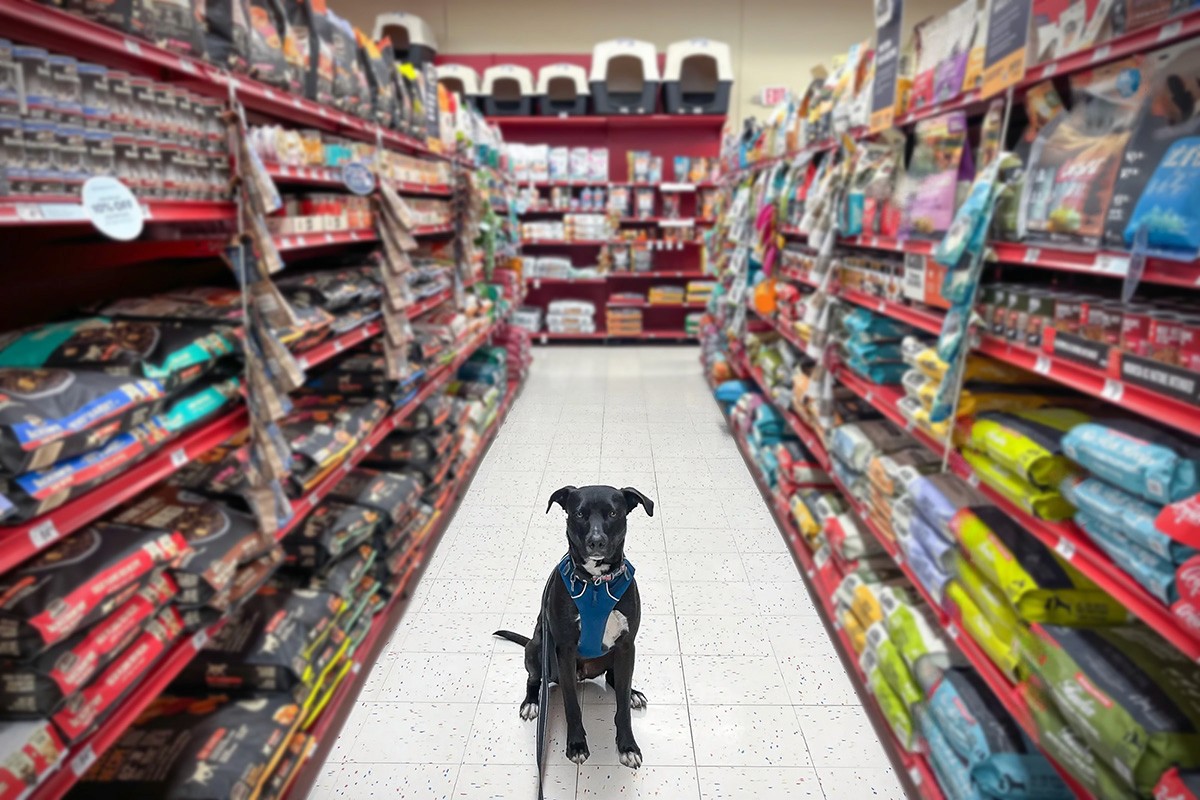
Join Our Newsletter
Sign up for our email list to get exclusive news, annoucements, and promotions.

Join Our Newsletter
Sign up for our email list to get exclusive news, annoucements, and promotions.
Join Our Newsletter
Sign up for our email list to get exclusive news, annoucements, and promotions.
Join Our Newsletter
Sign up for our email list to get exclusive news, annoucements, and promotions.